
The best used camera shop in Tokyo and arguably Japan. Five floors plus a basement Leica boutique. 20,000+ items spanning 30+ brands — from the latest digital bodies to rare vintage film cameras. Prices consistently beat Yodobashi and BicCamera on both new and used. English-speaking staff, tax-free on passport, and you can test lenses on your own body before buying. Rated 4.2 across 1,300+ reviews. 5 min walk from Shinjuku Station west exit.
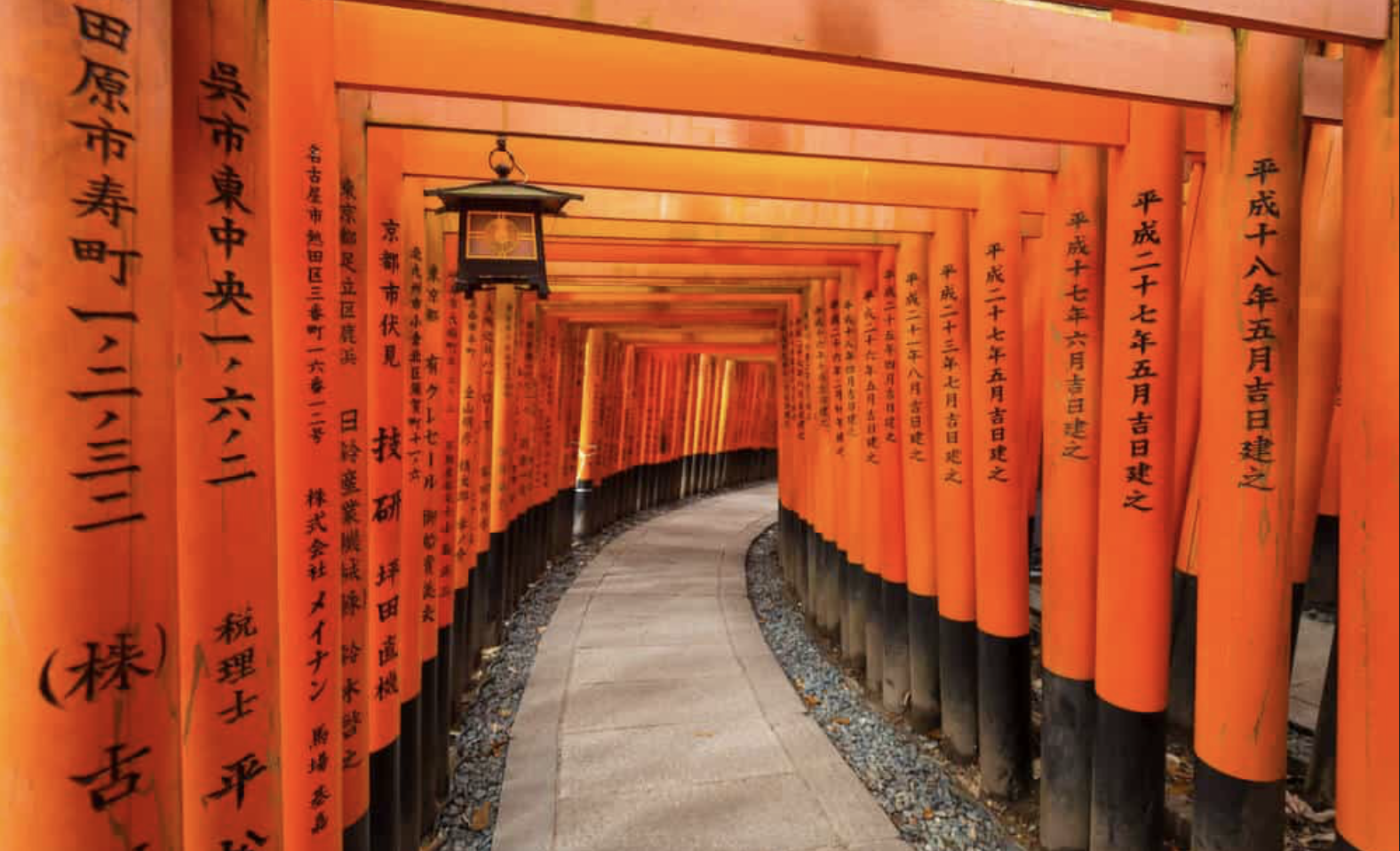
10,000 torii gates winding up the mountain. The top at 6am with almost no one there is a completely different experience. Allow 2–3 hours. Open 24 hours.
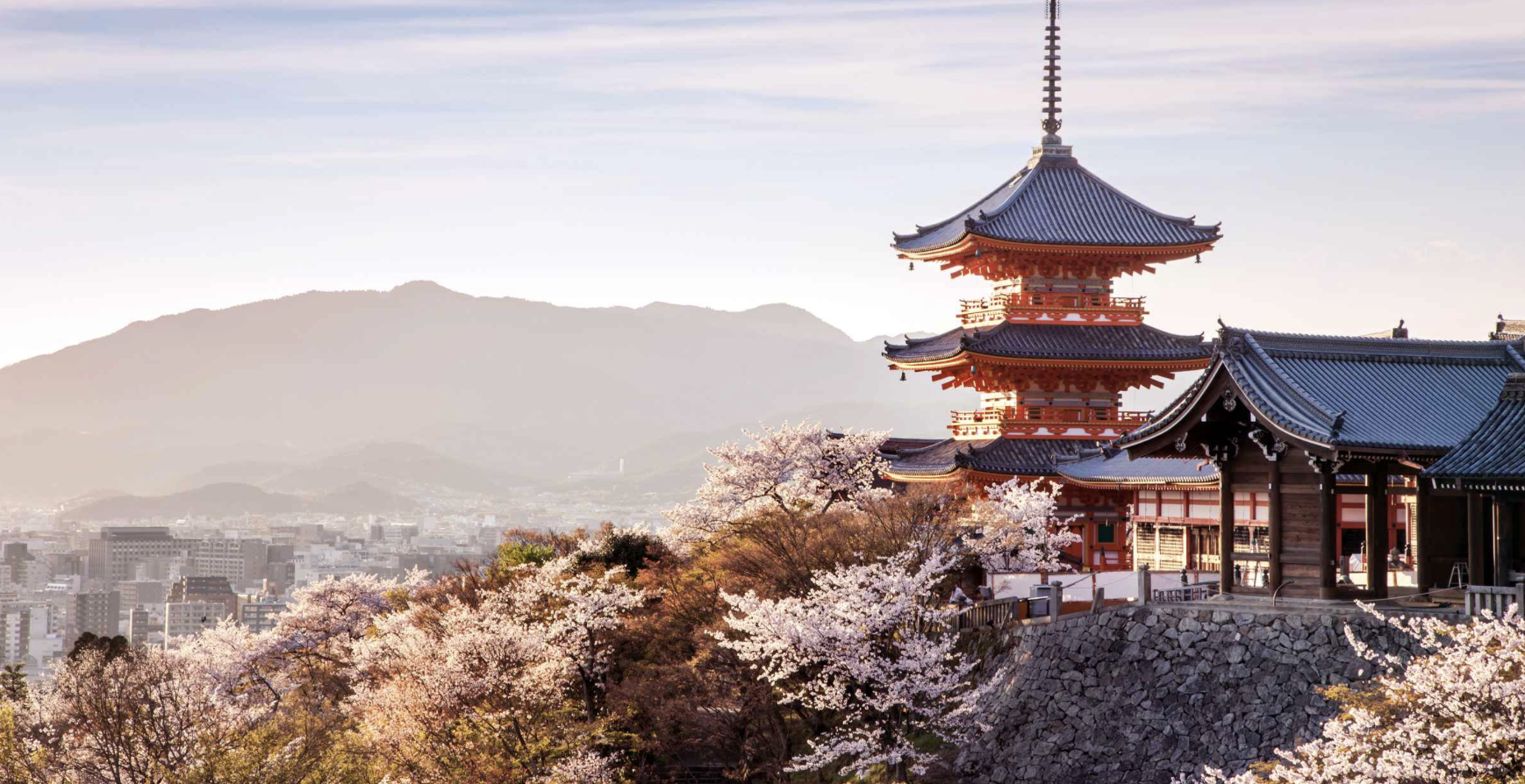
Kyoto's most iconic temple, perched on a hillside with a famous wooden stage jutting out over the forest. The approach up Kiyomizuzaka is lined with shops and cafés. Admission ~¥500. Open 6am–6pm — go at opening to beat the crowds.

A whole walled sub-temple city — less visited than the main Kyoto sites. Some of the most remarkable Zen gardens tucked inside. Open 9am–5pm.

15 stones arranged so no single viewpoint reveals all of them at once. Sit with it for longer than feels comfortable. Go at opening time (8am).
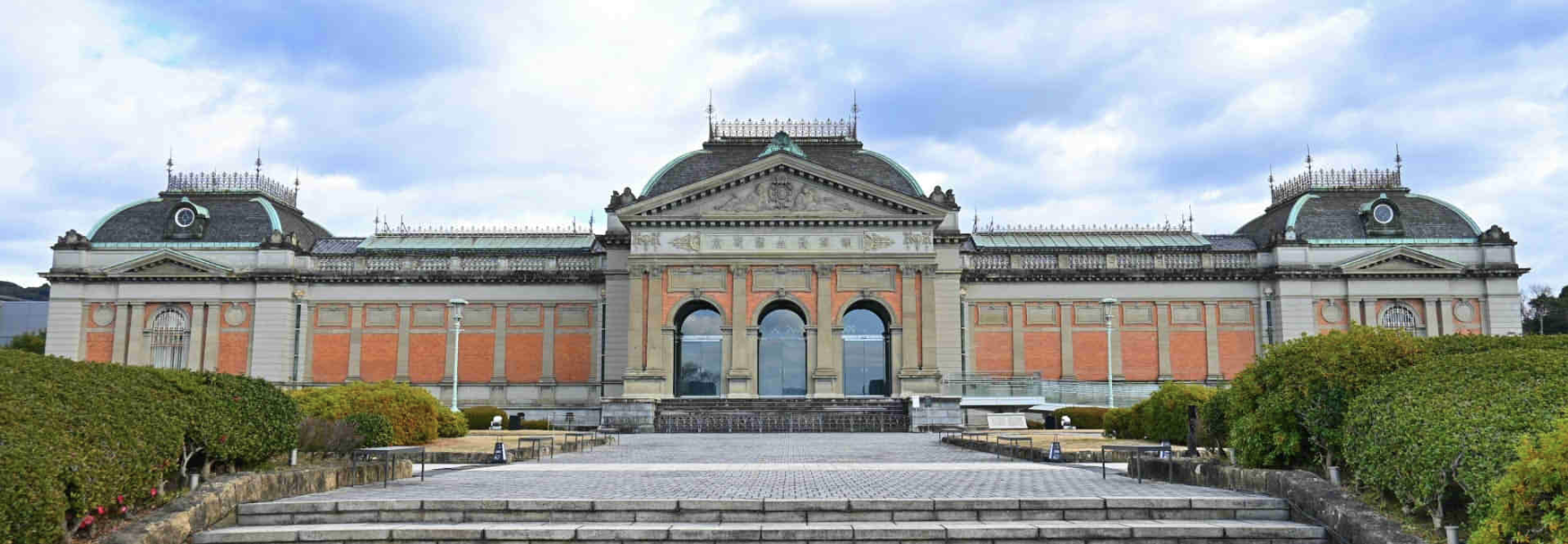
Permanent collection of Japanese art across all periods. Strong on ceramics and lacquerware. Excellent rain option near Kiyomizu.
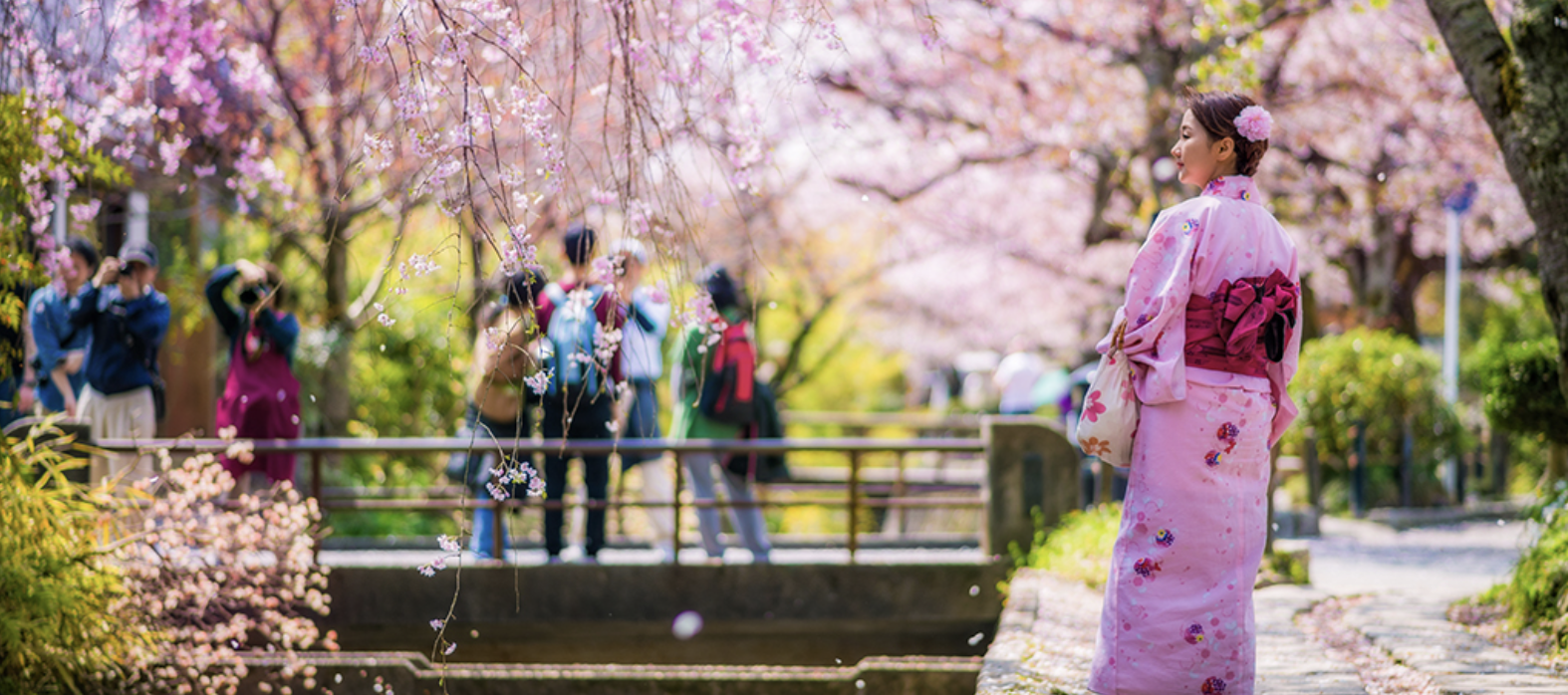
A 2km canal-side walk between Nanzen-ji and Ginkaku-ji (Silver Pavilion), named after philosopher Nishida Kitaro who walked it daily. Quiet, tree-lined, lovely in May. No entrance fee — just walk it.
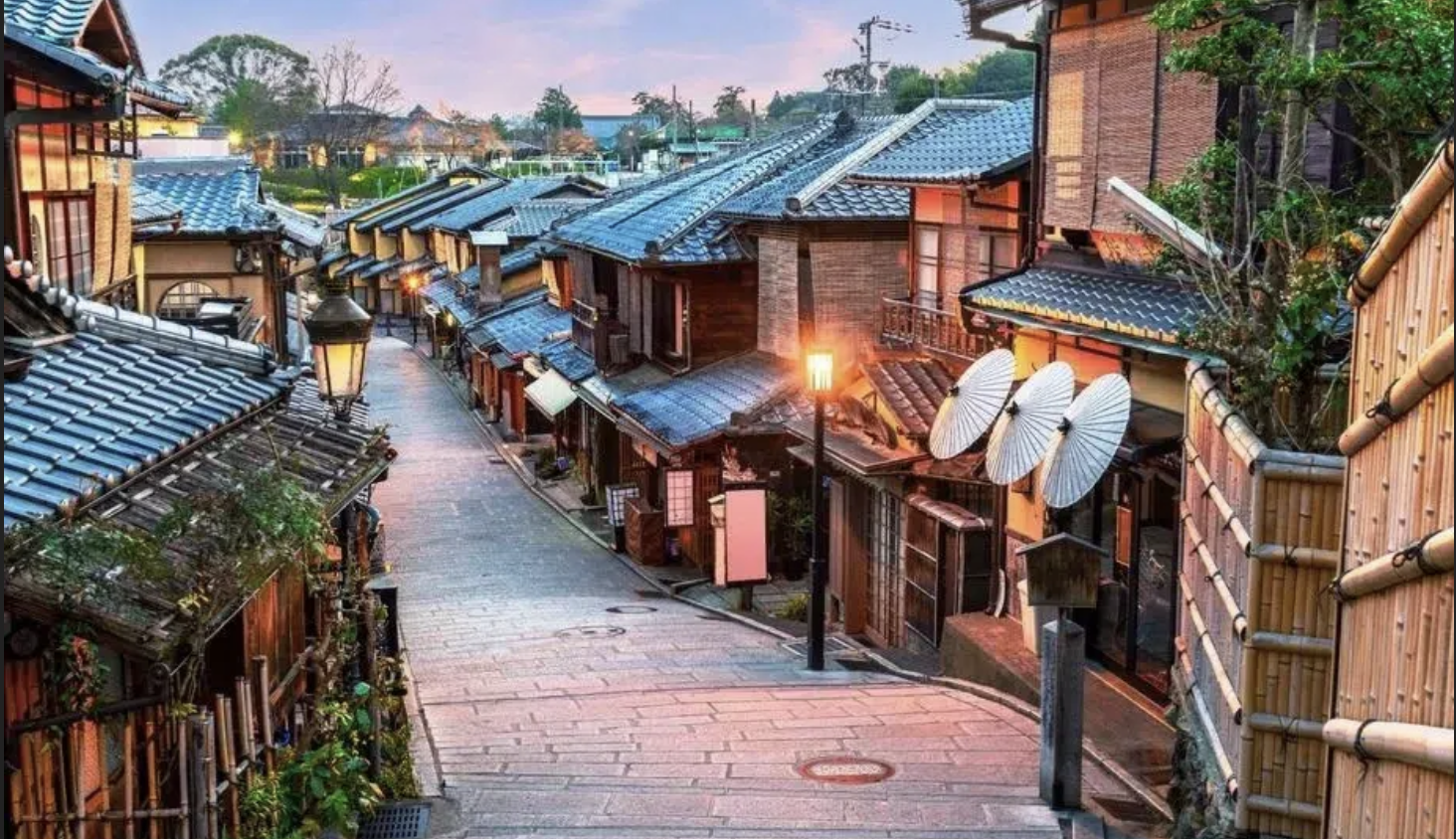
Stone-paved lanes below Kiyomizu-dera. Meiji-era teahouses, craft shops, matcha stops. The most cinematic street in Kyoto after Pontocho.
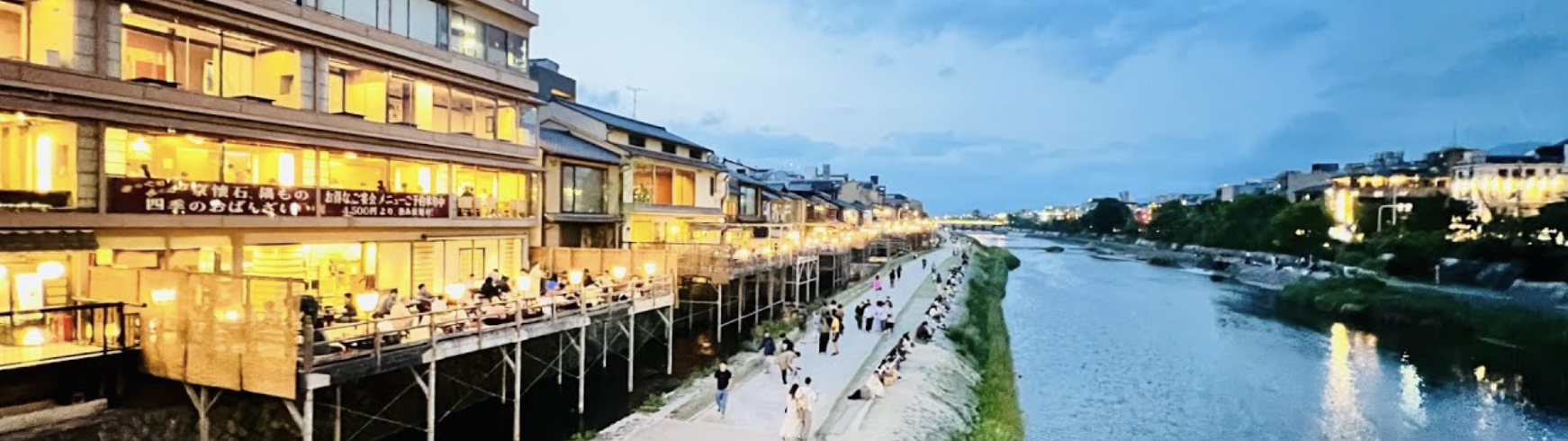
Lively evening crowd near Pontocho. Small performances, great atmosphere after dark. The confluence area around Sanjo Bridge gets particularly animated.
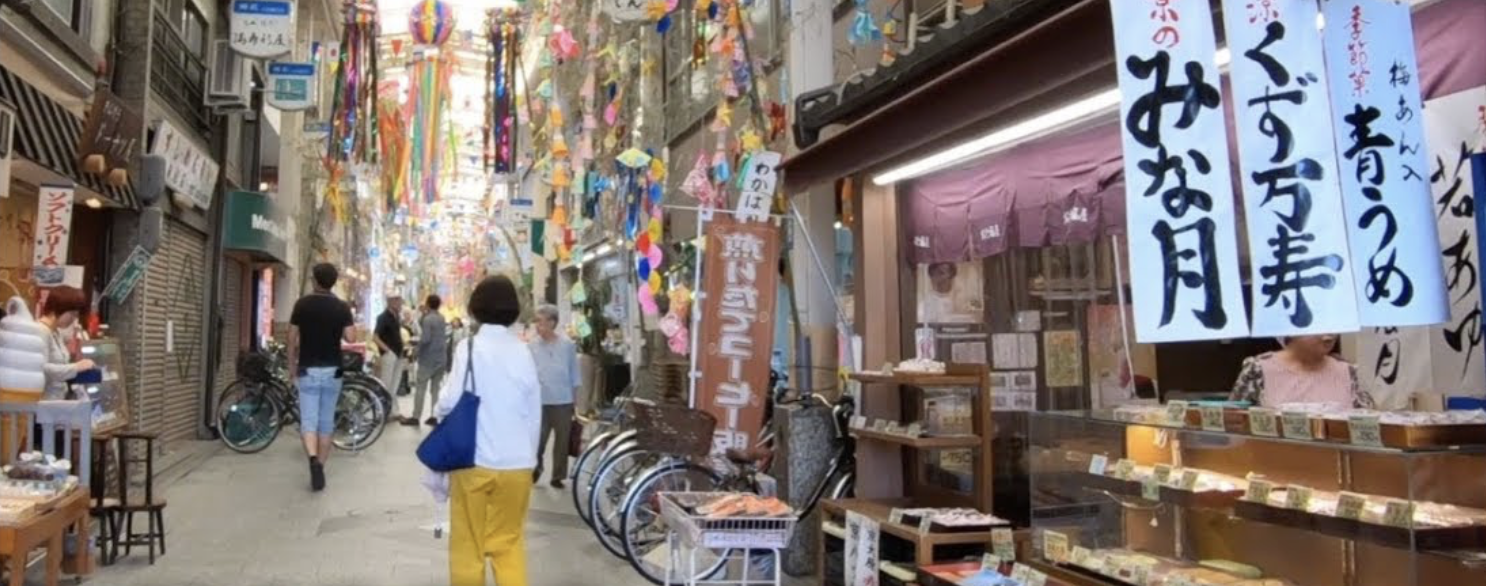
Quieter north end of the Kamo River. Local students, street musicians, families. No tourists. The real Kyoto.

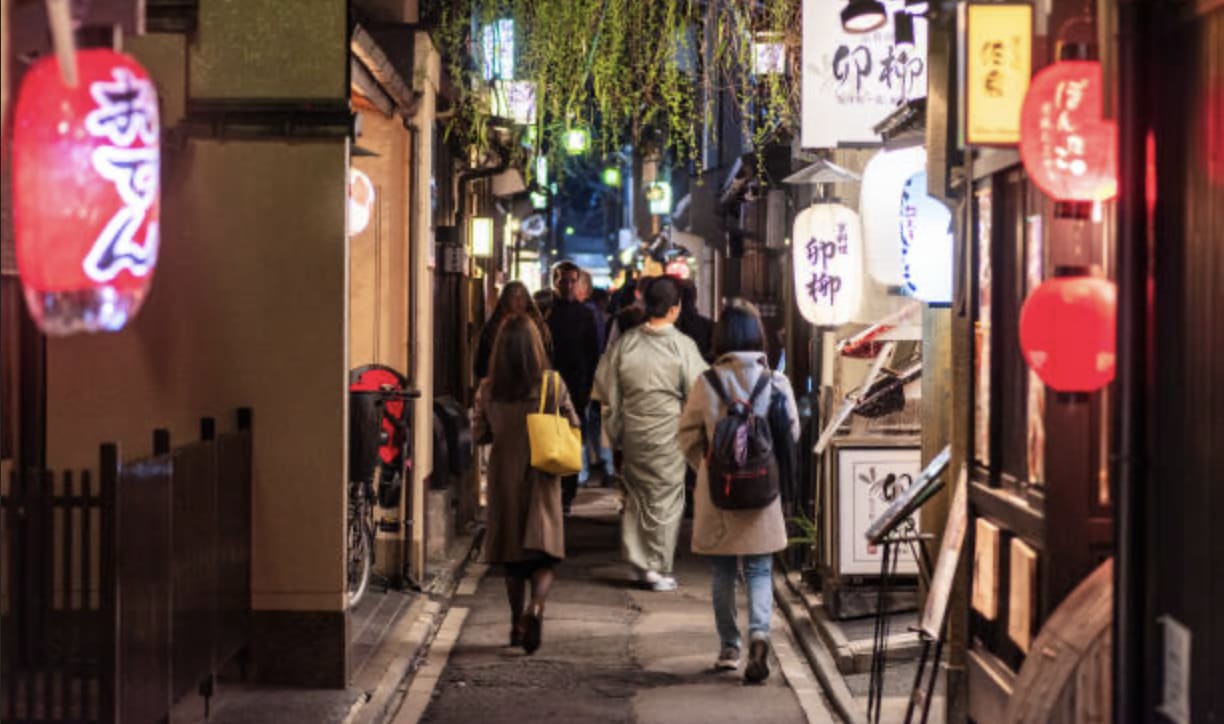
Narrow lantern-lit alley parallel to the Kamo River. Traditional restaurants, occasional glimpses of Geiko or Maiko. The most visually cinematic street in Japan. If you have a camera, shoot it.
The best dedicated secondhand camera shop in Kyoto. Good selection of film cameras, vintage compacts, lenses, and adapters. Staff are knowledgeable, patient with tourists, and tax-free is available on your passport. Rated 4.5 across 280+ reviews. 10 min walk south of Shijo Station.
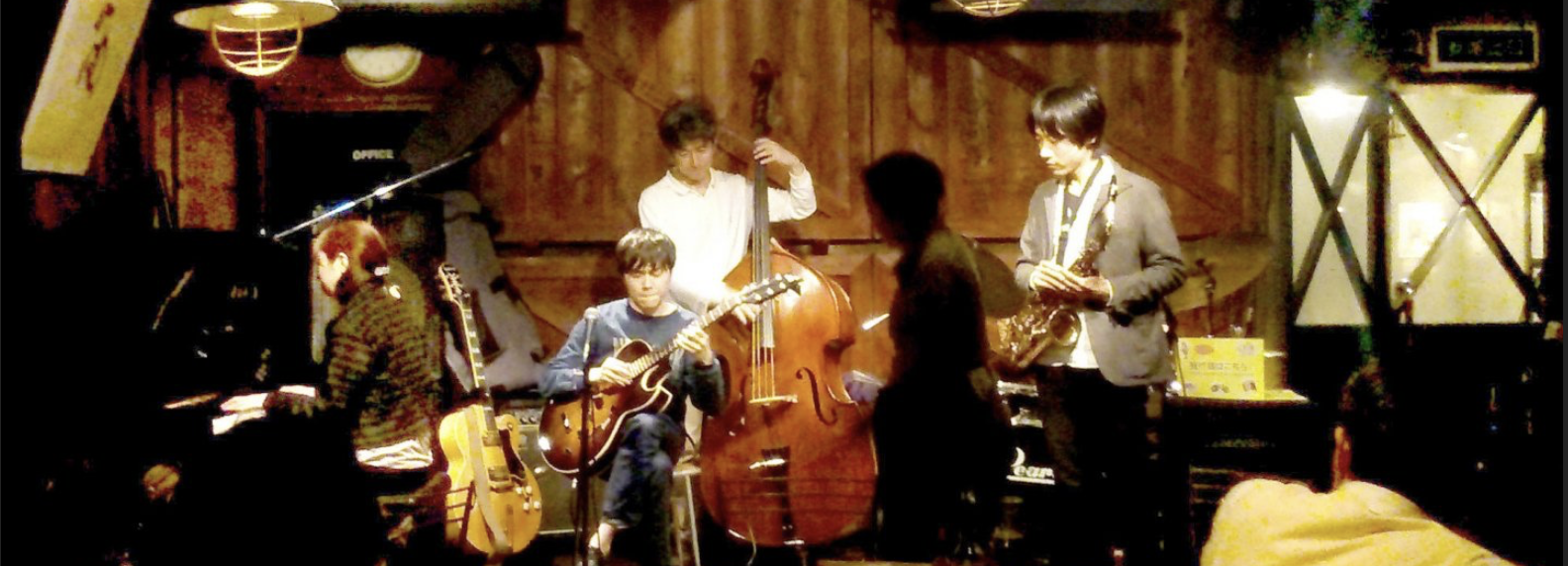
Famous jazz basement near Kyoto University. Regular jam sessions where musicians invite the audience to join. Small cover charge. Tue–Sun 6–11pm.
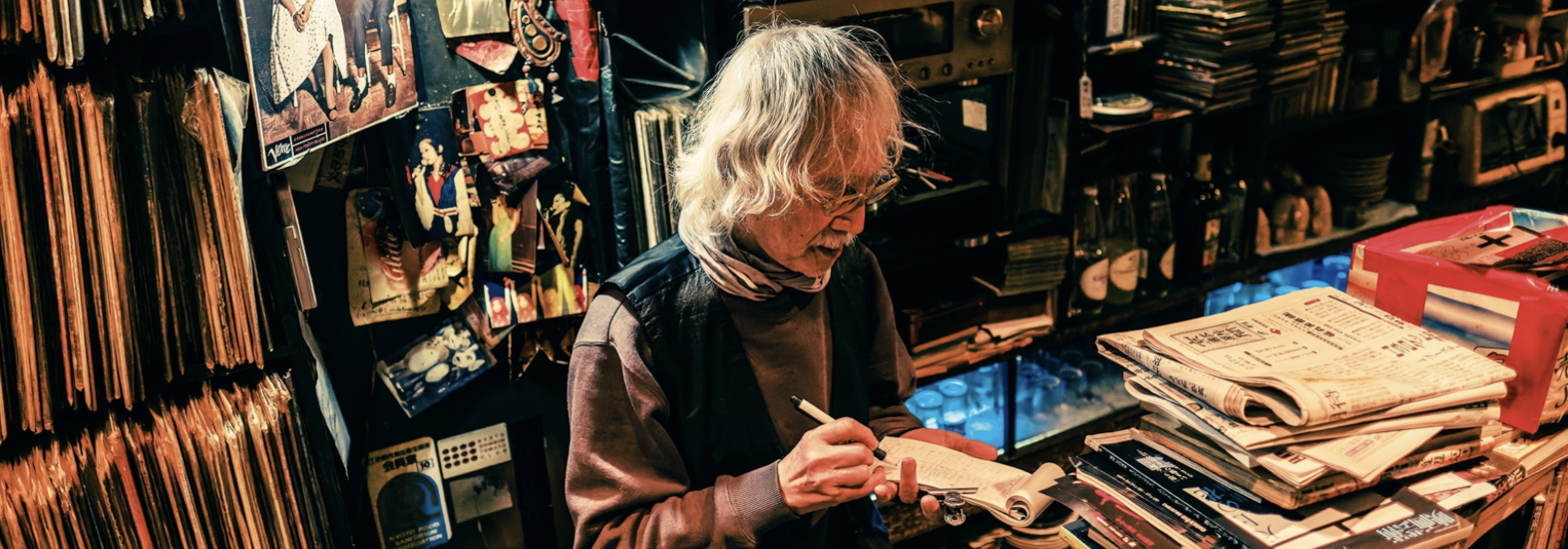
Legendary dive bar for four decades. Blue Note LPs played loud and non-stop. Cozy, well-weathered, very reasonably priced. Open daily 3pm–2am.

Through a hole in the wall and up a few wandering staircases. Rock, experimental music, contemporary dance, live painting, theatre. From 6:30pm most nights.
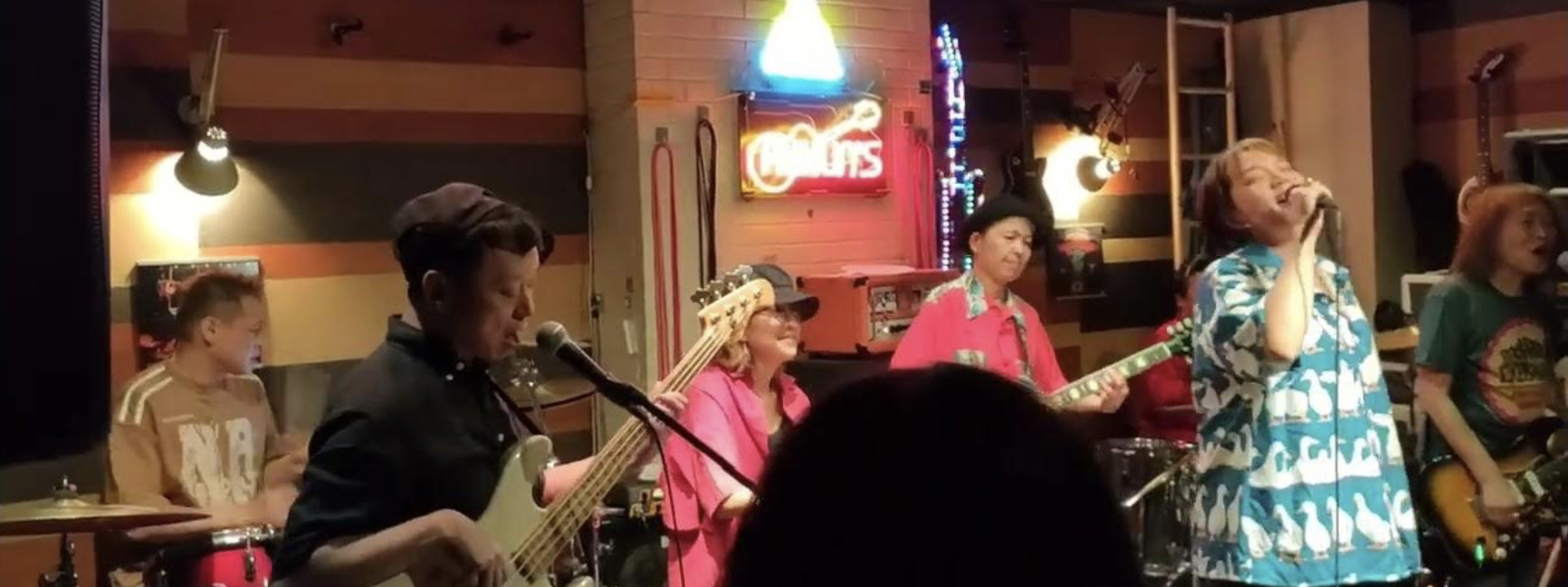
Small basement live venue and diner hosting local bands and intimate performances. Karasuma area. The kind of place that defines Kyoto's underground music scene.
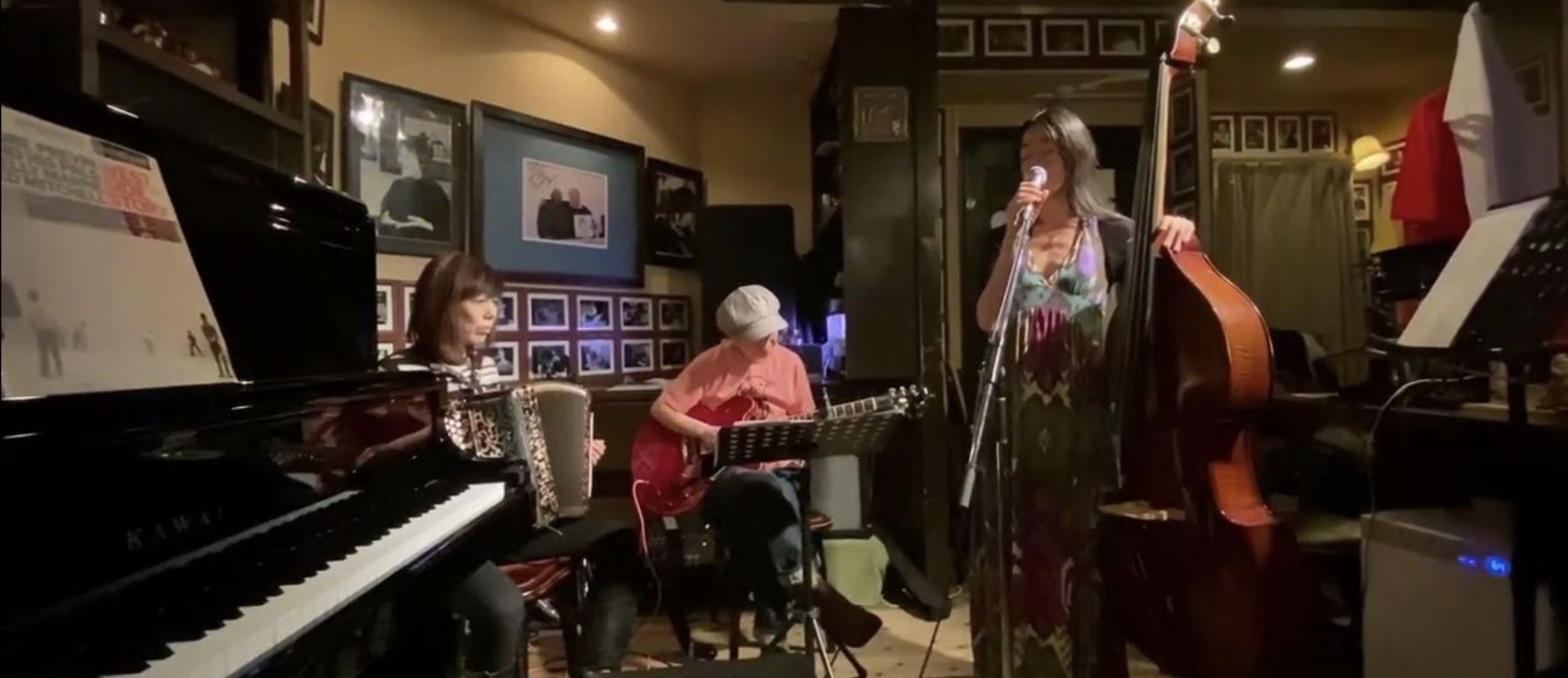
Relaxed daytime jazz cafe with quieter, contemplative atmosphere and strong local feel. Sakyo Ward. Good for a slow morning or afternoon.
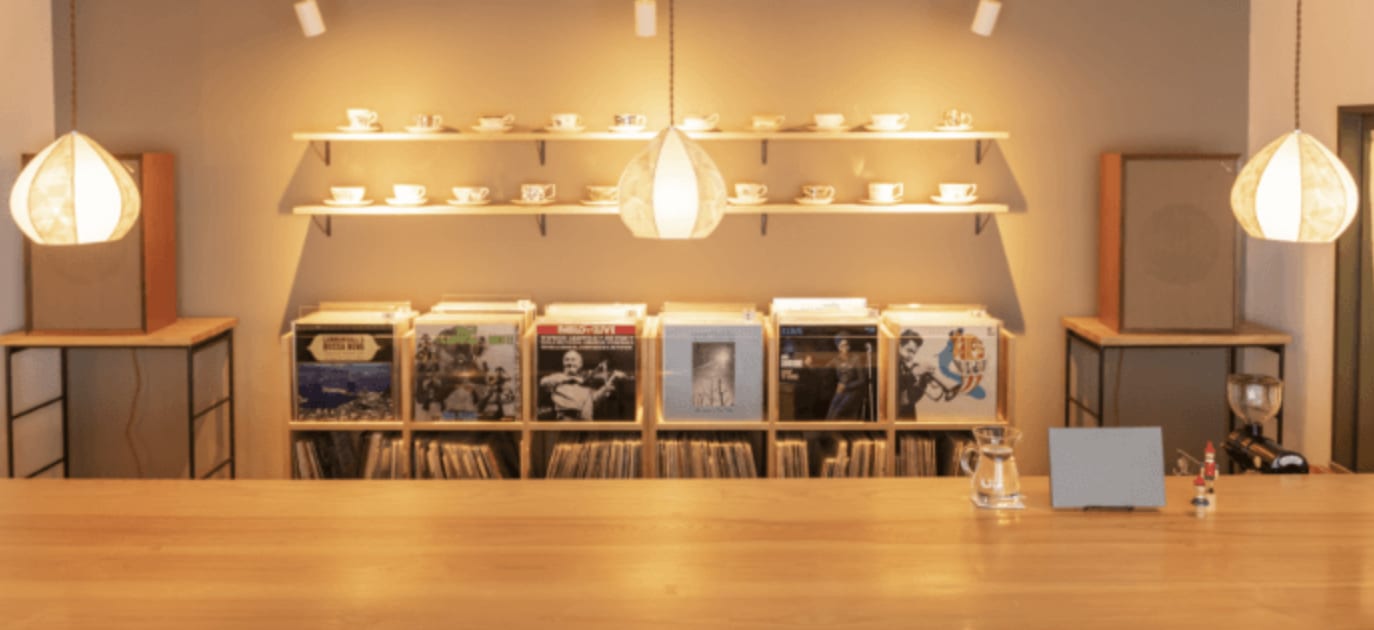
Small intimate jazz listening space with curated sessions and refined atmosphere. Fifth floor, Sanjo area. The kind of place you find by looking up.
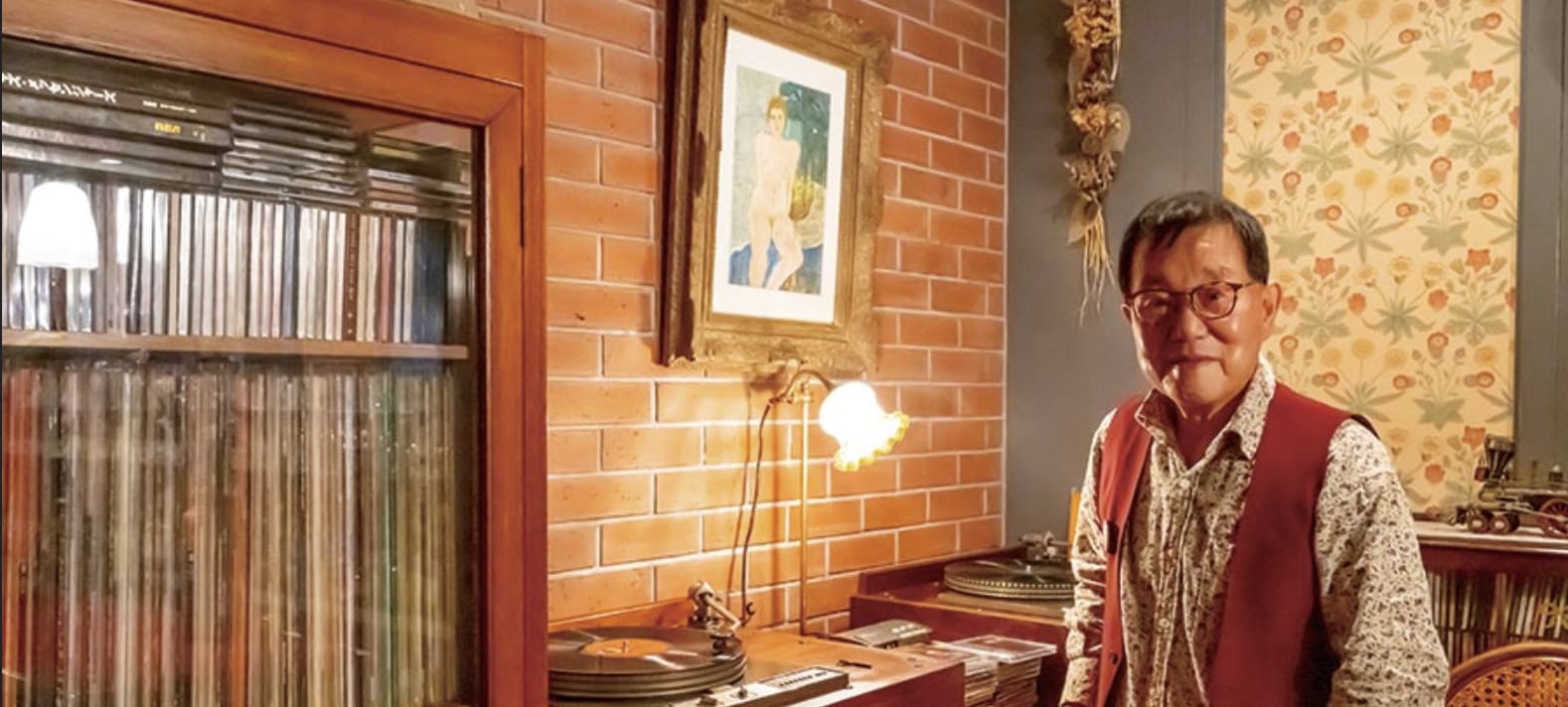
Long-running Kyoto jazz cafe with warm analogue atmosphere and classic jazz culture energy. Sakyo Ward. One of those places that has quietly outlasted everything around it.
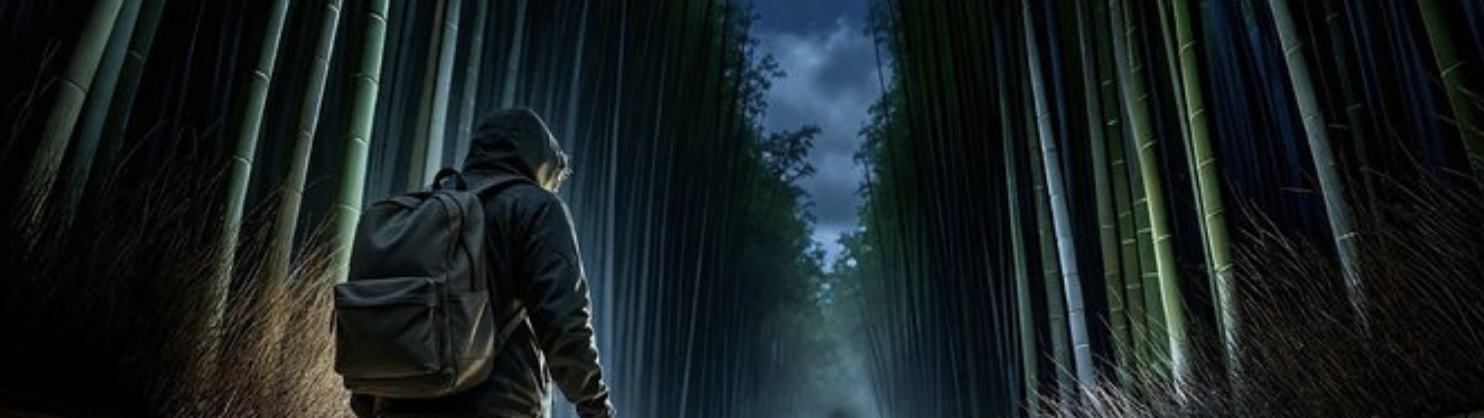
An evening walking tour through Kyoto's haunted backstreets — shrines, graveyards, and ghost stories rooted in centuries of local folklore. Japan's supernatural tradition is centuries old and taken with genuine seriousness.
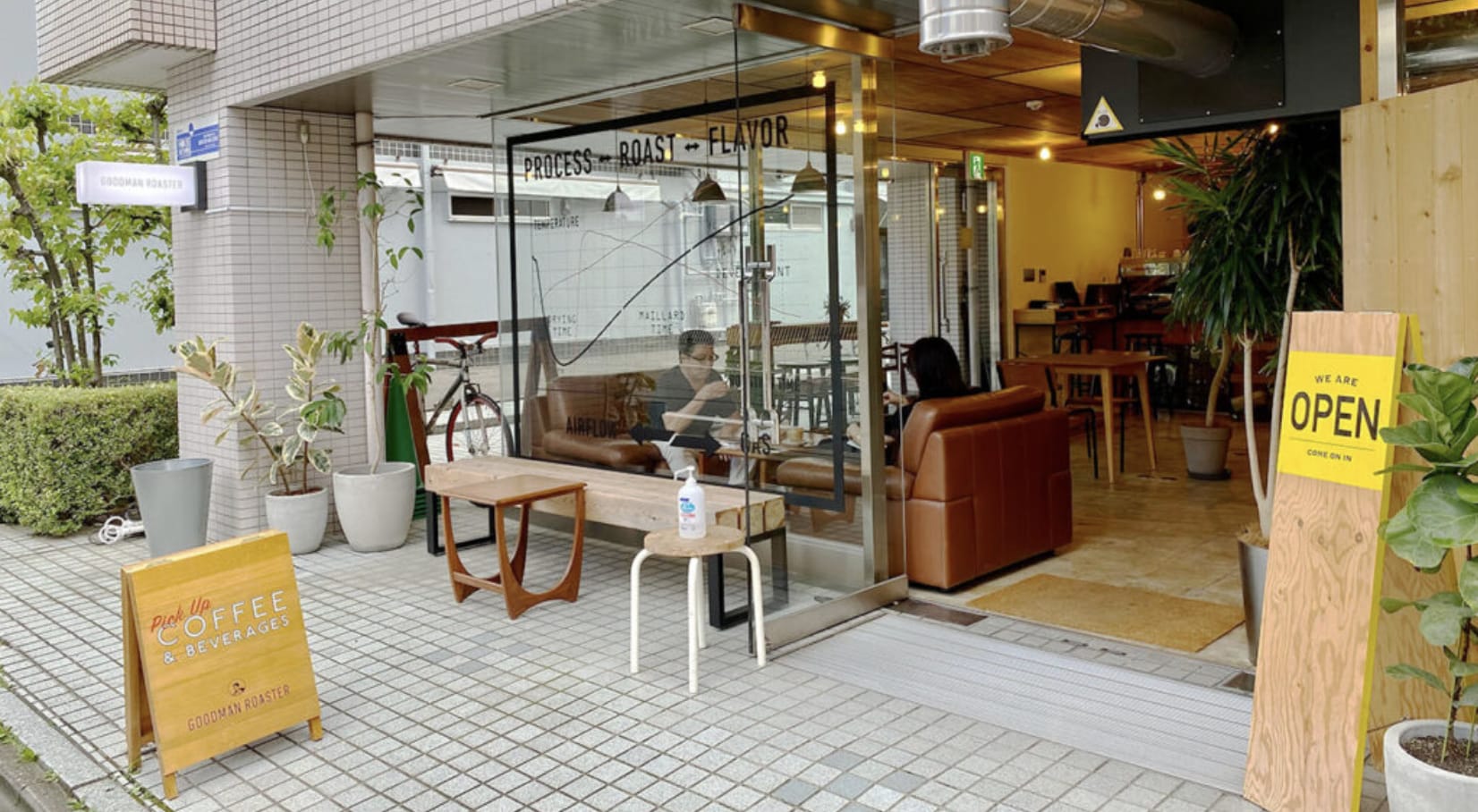
Beautiful minimalist coffee space with calm atmosphere and excellent coffee. Shimogyo Ward. Ideal reset between the busier parts of the day.
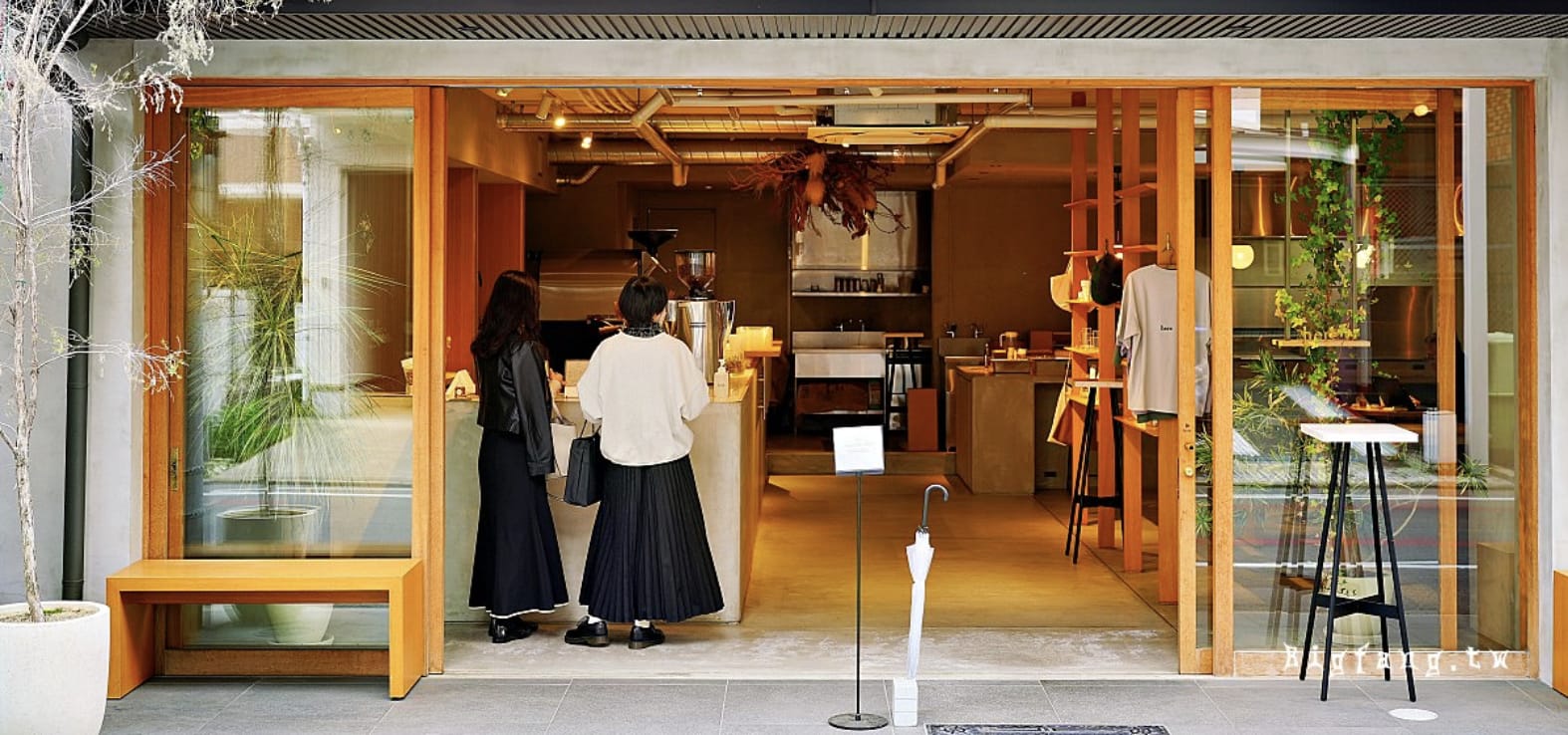
Quiet modern coffee space with softer local atmosphere and clean design. Nakagyo Ward. Good for a slow morning before the day starts.
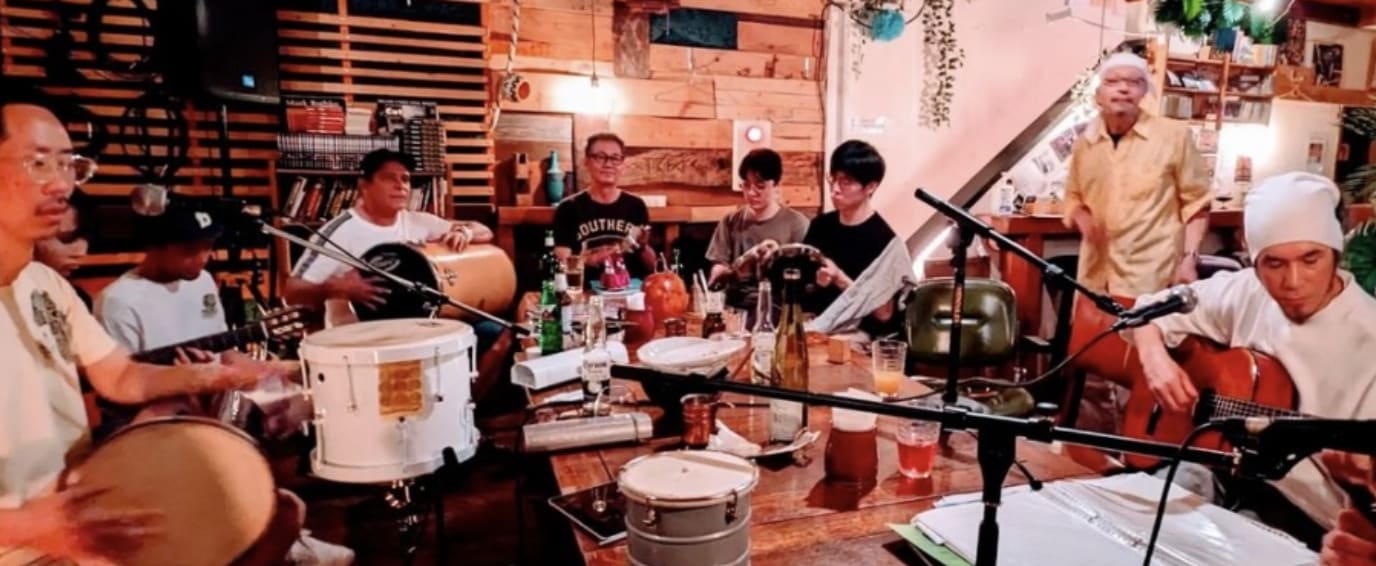
Tiny music-focused cafe with eclectic atmosphere and relaxed creative energy. Kamigyo Ward. Eccentric and worth the detour.
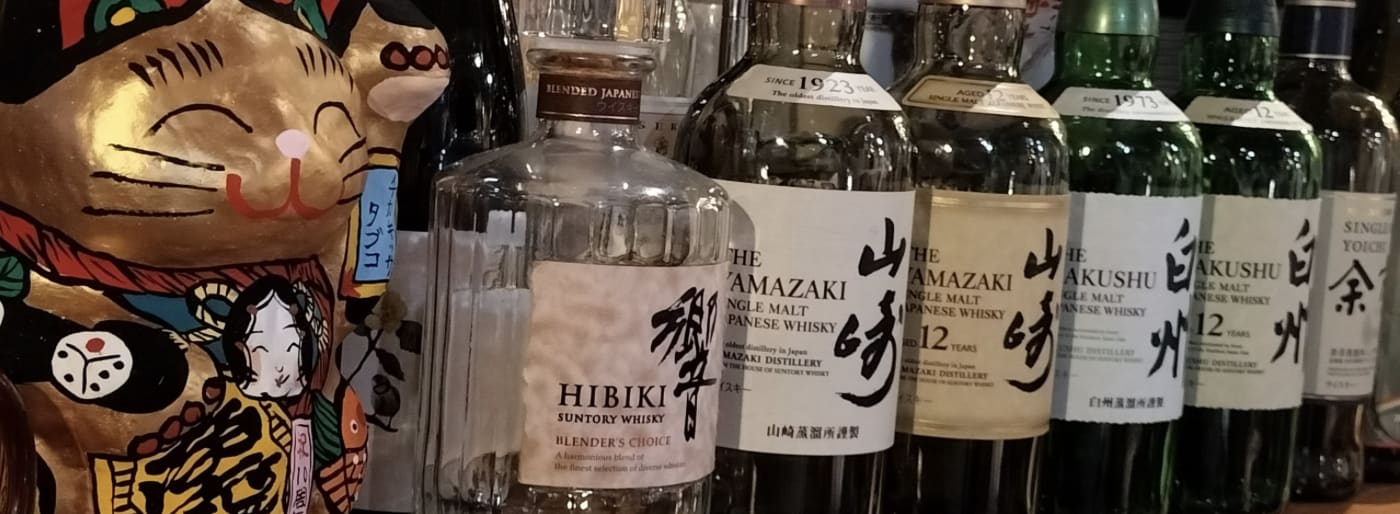
Atmospheric hidden basement cafe with intimate late-night energy and strong local character. Shimogyo Ward. The kind of place you feel you've been let in on a secret.
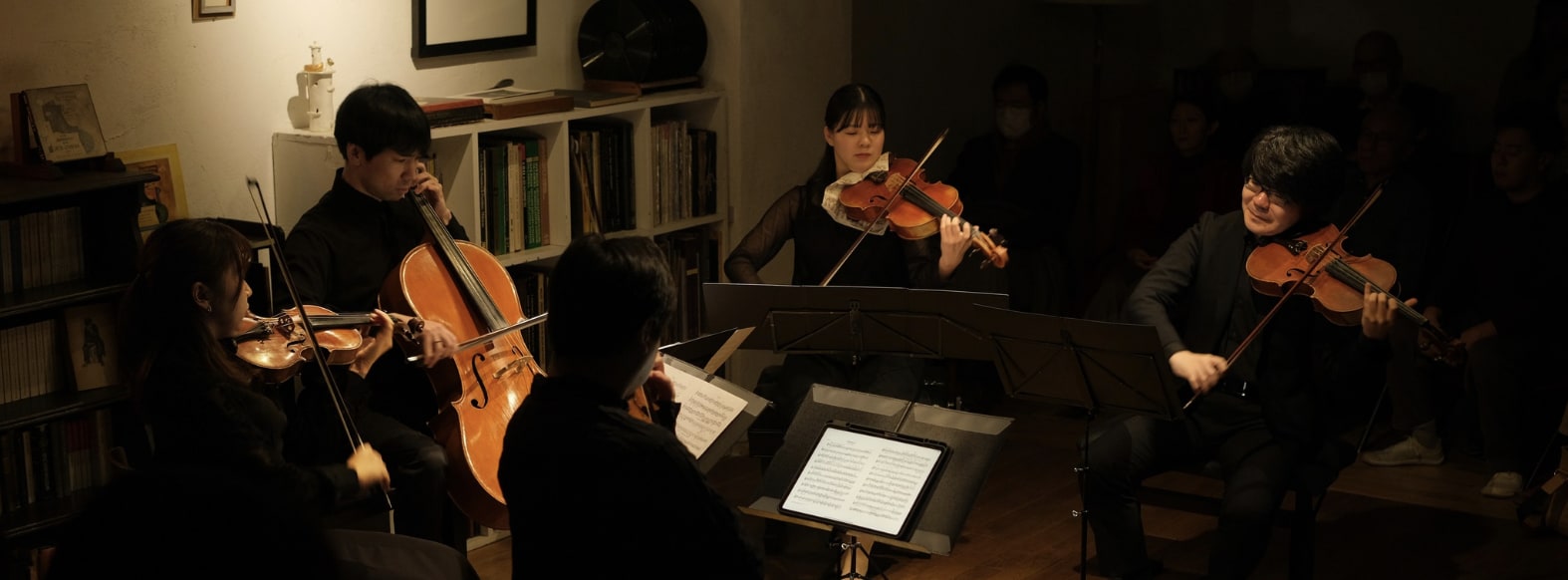
Quiet artsy cafe with strong cinephile atmosphere and thoughtful interior design. Nakagyo Ward. Good for a slow afternoon between the busier parts of the itinerary.
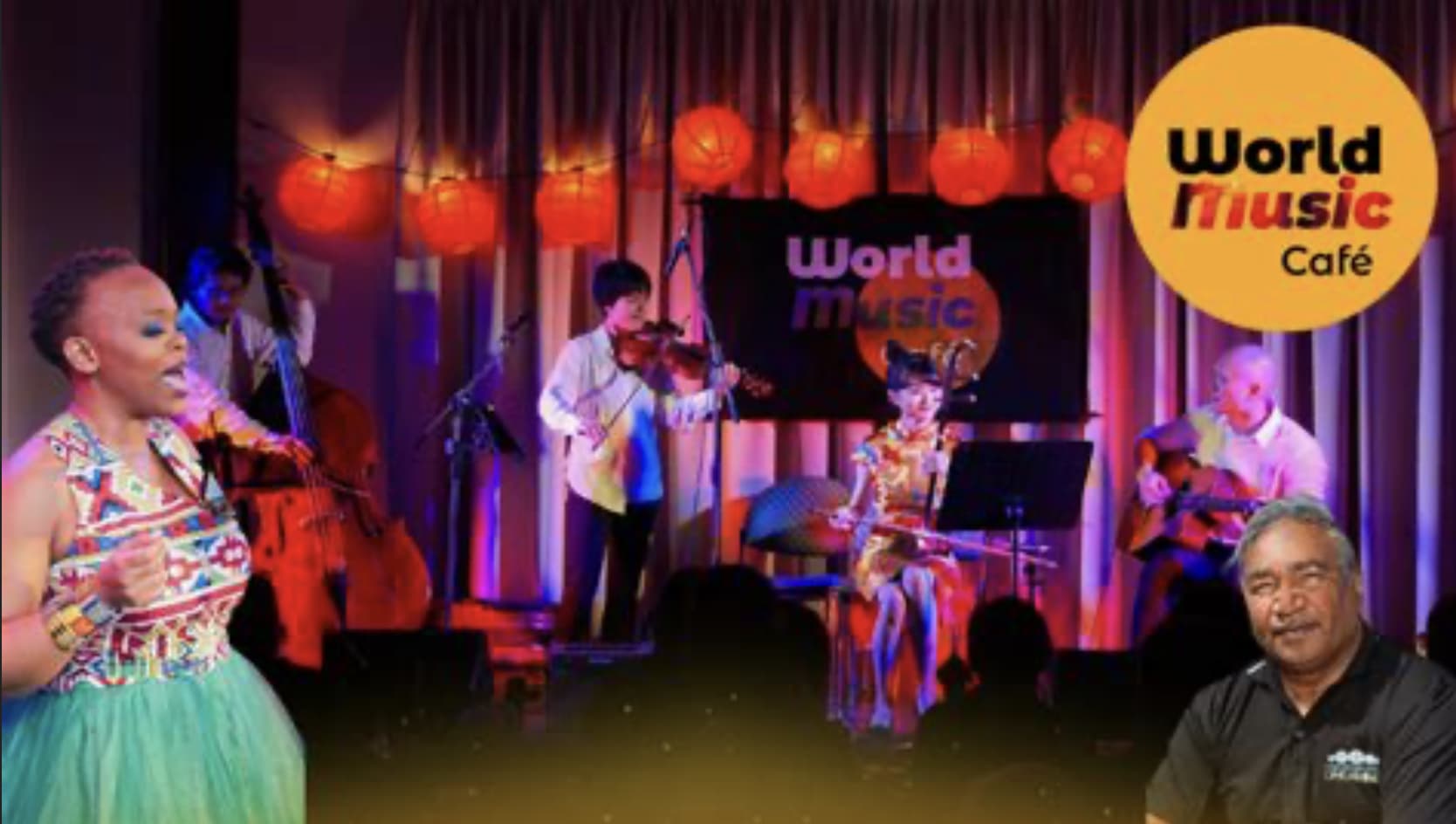
Eclectic music cafe with global music focus and unusual bohemian atmosphere. Sakyo Ward. Genuinely idiosyncratic — the sort of place that only exists in Kyoto.
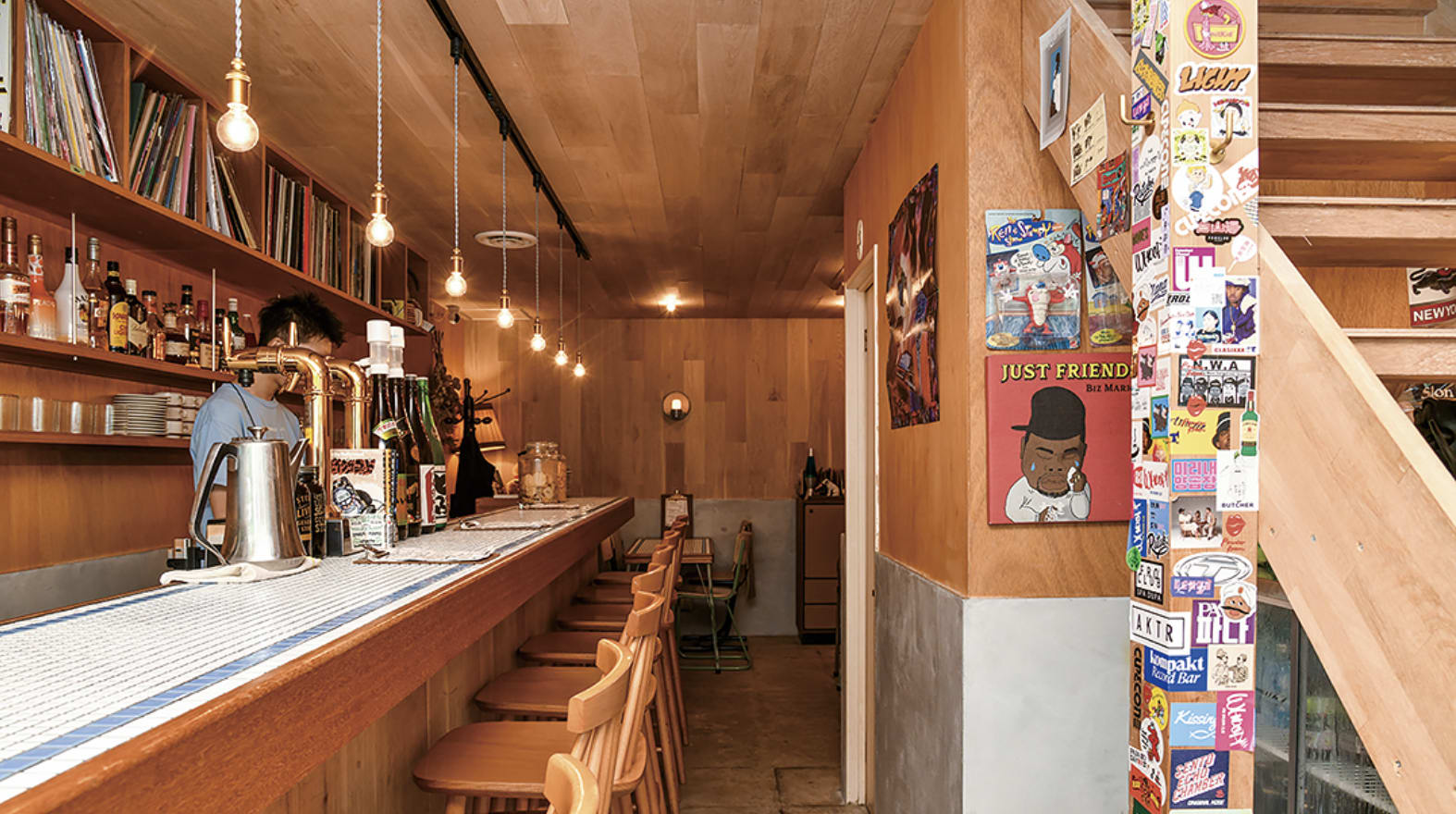
Casual daytime-to-night vinyl bar with relaxed Kyoto music culture atmosphere. Shimogyo Ward, same block as Pop. Good entry point for Kyoto's record bar scene.
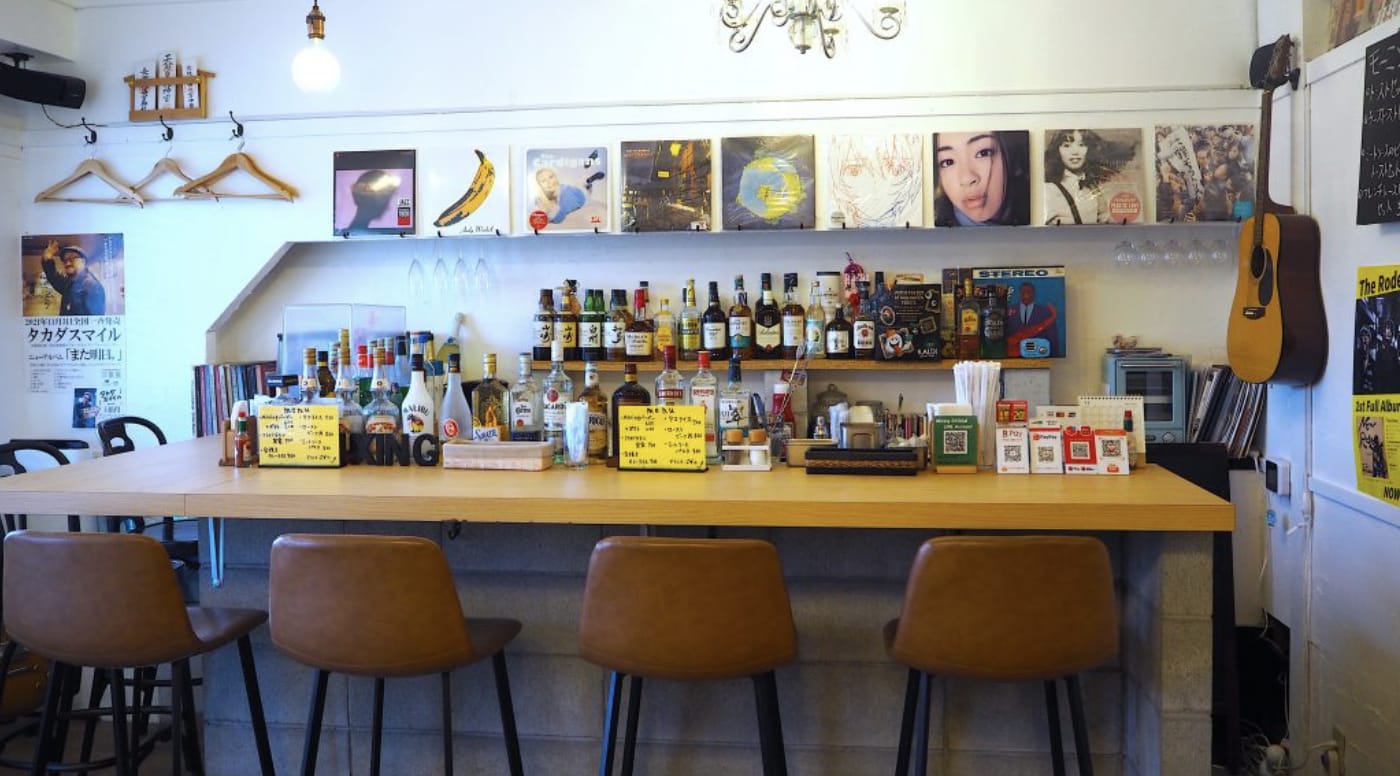
Small local cafe-bar hybrid with mellow music-focused atmosphere. Nakagyo Ward. Understated and genuinely local.
Atmospheric upstairs cocktail bar with intimate late-night energy and music culture atmosphere. Third floor, same building as Pop Record Bar, Shimogyo Ward.
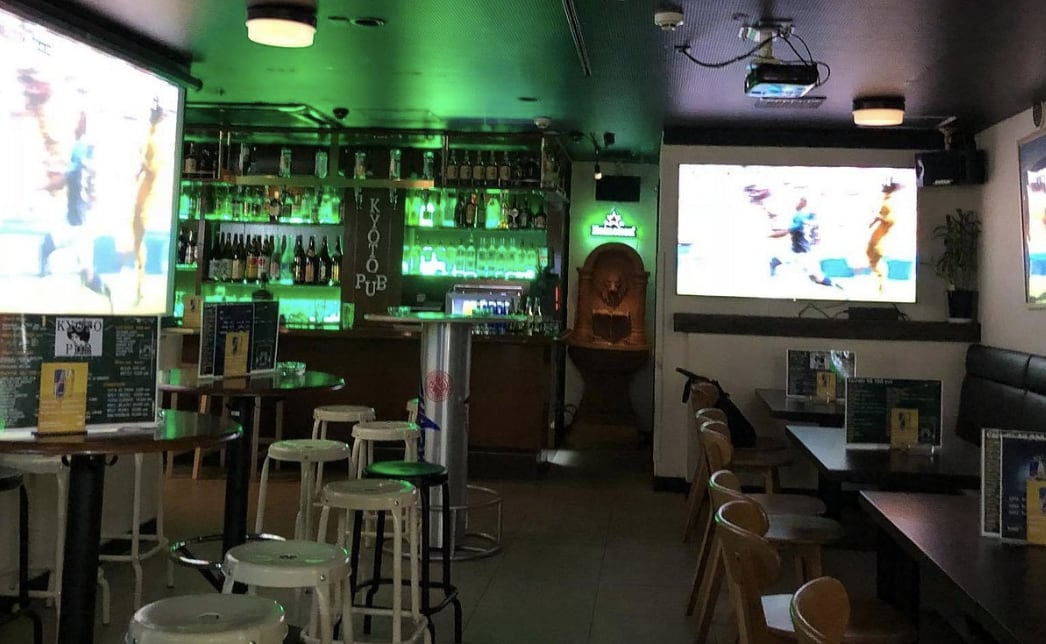
Relaxed social pub open very late. Good as an easy evening meetup point or fallback option. ASCEND Building, Nakagyo Ward.
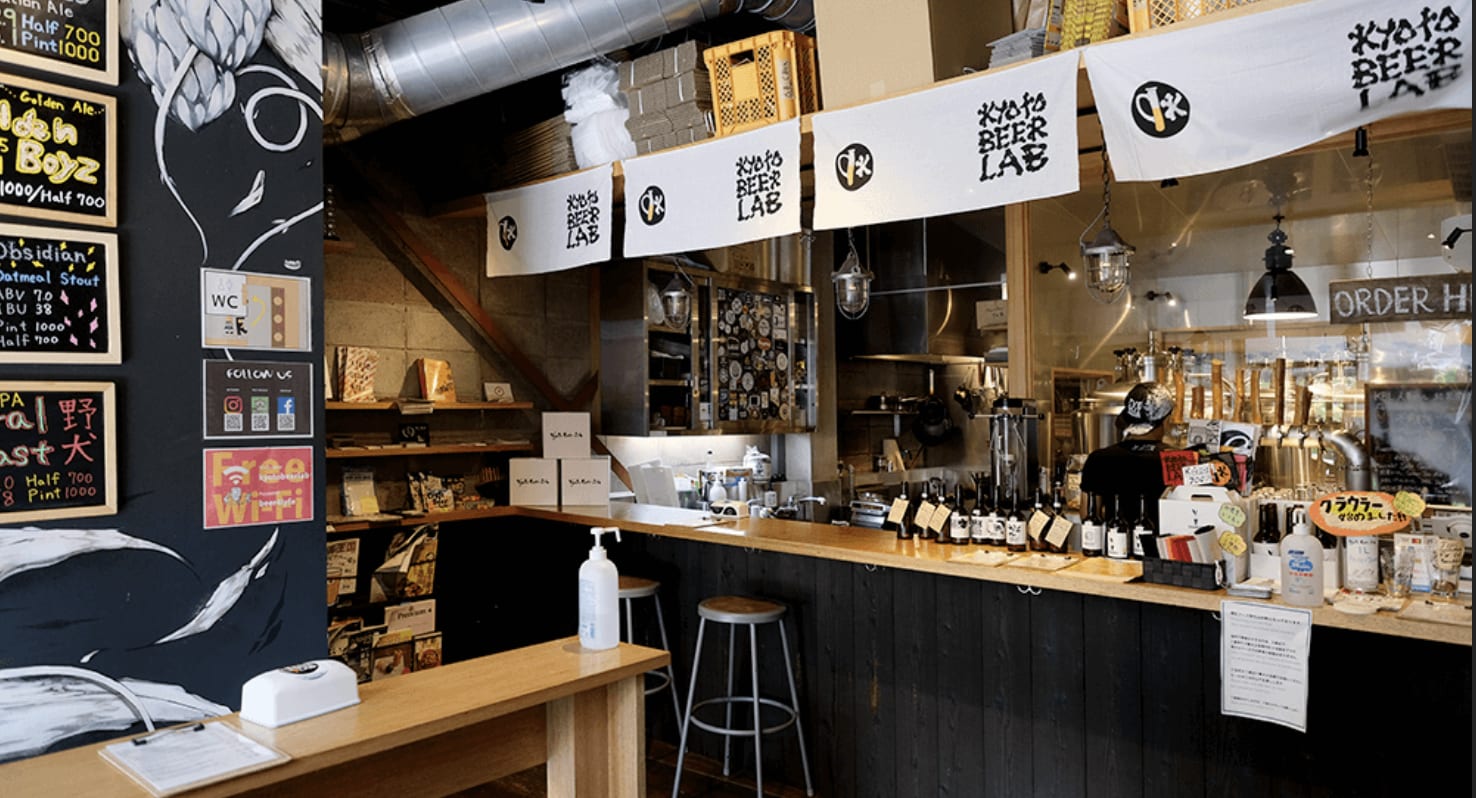
Excellent riverside brewpub with relaxed sunset atmosphere and easygoing energy. Shimogyo Ward, near the Kamo River. Good early evening stop before dinner.
One of Kyoto's best late-night music bars — known for quality electronic and experimental music in an intimate setting. Check their schedule before going.
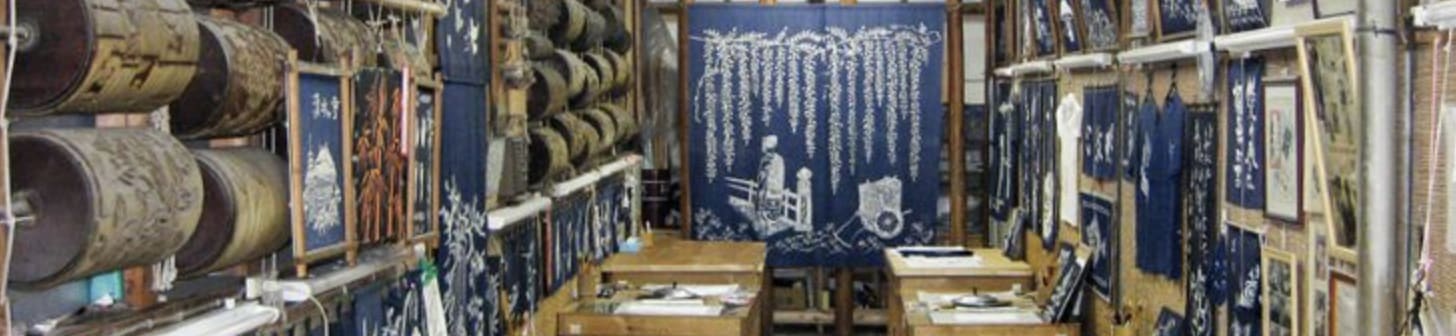
Roketsu is a traditional wax-resist dyeing technique where hot wax is applied to a cotton fabric to create patterns that resist indigo dye. Participants choose a textile like a shirt, bag, or other item, paint a design with wax, then dye and remove the wax to reveal the design. You come away with a one of a kind piece 🙂
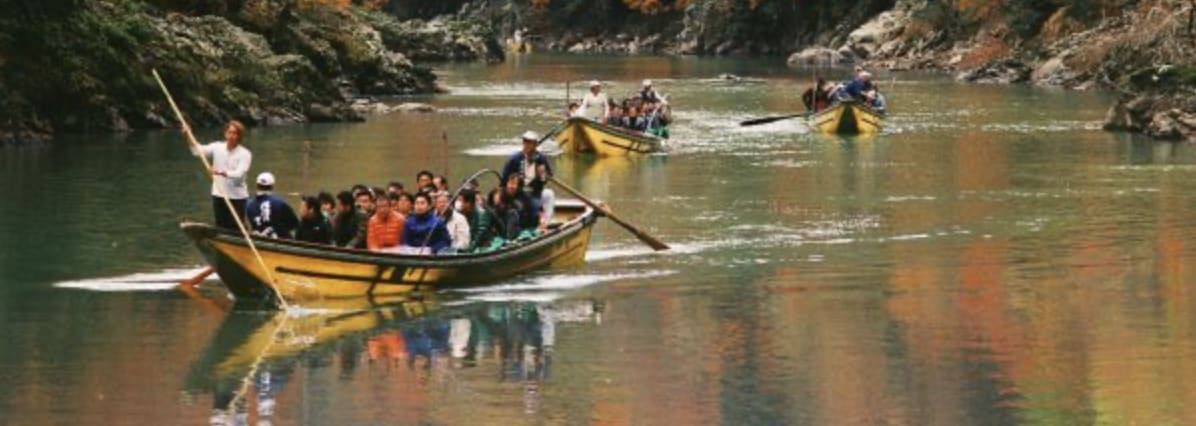
Scenic wooden boat ride down the Hozu River gorge from Kameoka to Arashiyama. About 2 hours through forested mountain scenery. Best in spring or autumn. Ends right at Arashiyama — pairs well with the bamboo grove.
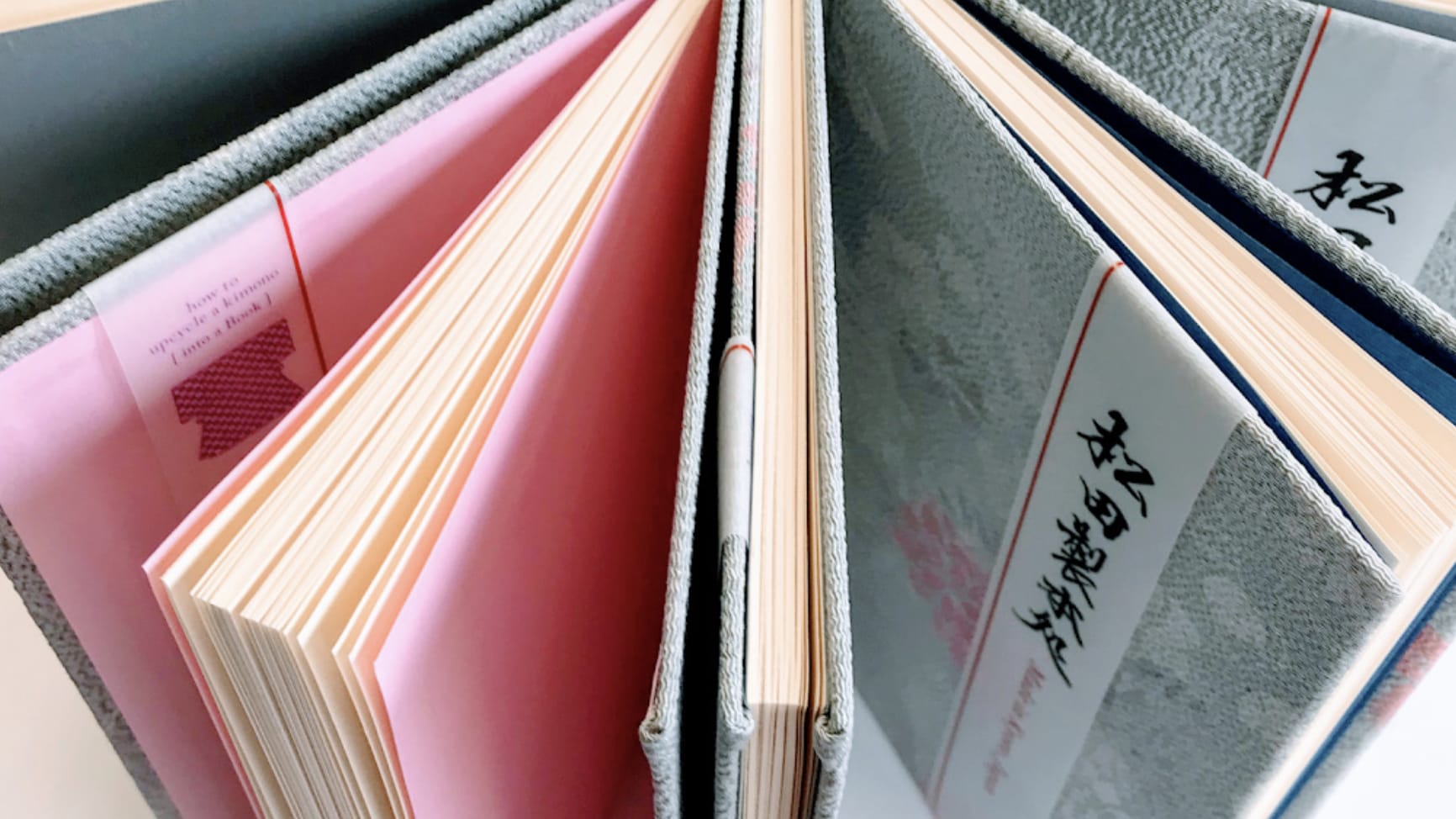
Traditional bookbinding workshop in central Kyoto. Learn wafūjōsei (Japanese binding) and make your own hand-bound notebook. Quiet, precise, deeply satisfying.
Over 1,000 wild sika deer roam freely through the park and surrounding streets. They bow for deer crackers (shika senbei, 200 yen from vendors at the park entrance). Visit Todai-ji Temple — the world's largest wooden building housing a 15-metre bronze Buddha — and the Kasuga Taisha Shrine with its lantern-lined forest path. A genuinely extraordinary half or full day.
Getting there from Kyoto: JR Nara Line from Kyoto Station direct to Nara Station (~45 min, covered by JR Pass). The park is a 10 min walk east from the station.
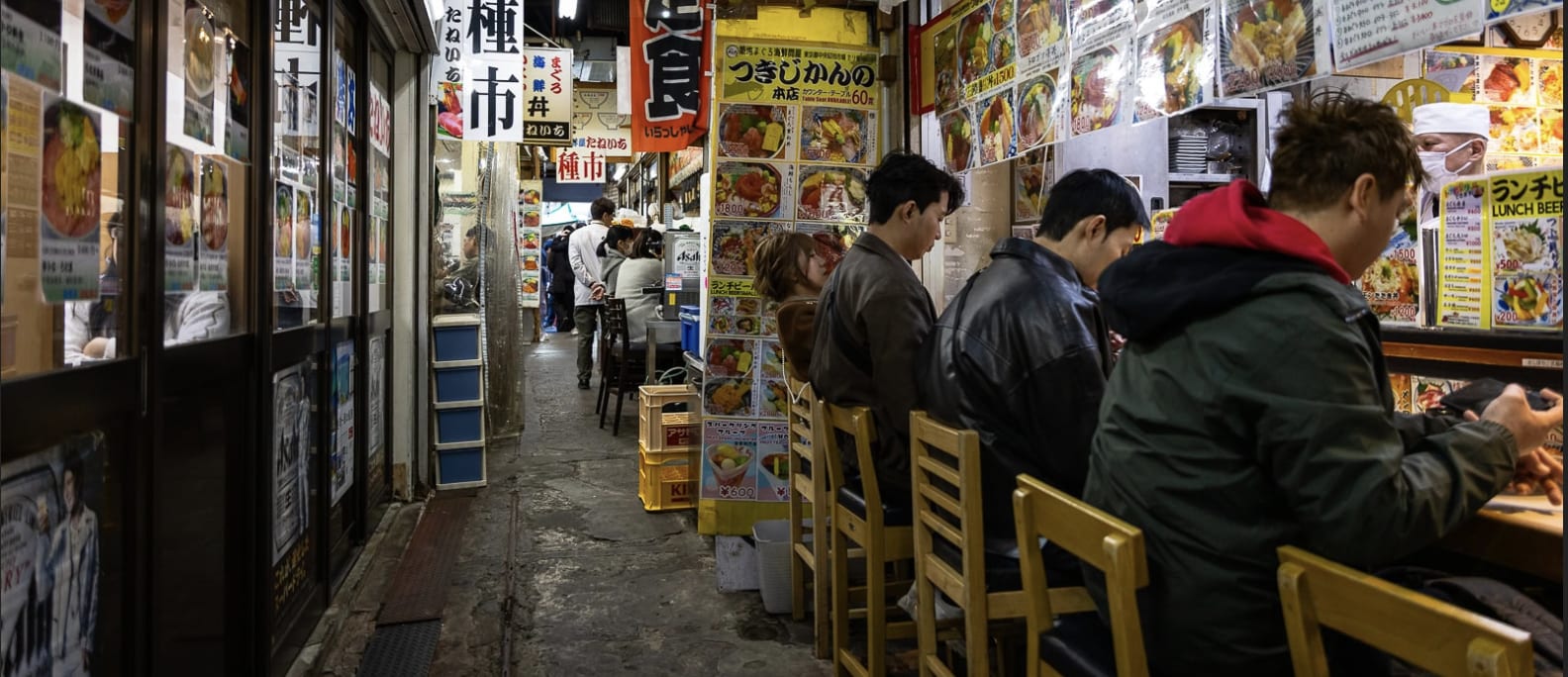
A narrow 400-metre covered market known as "Kyoto's Kitchen" — 100+ stalls selling fresh tofu, pickles, street food, sweets, and kitchenware. Go early (before 11am) to avoid the worst crowds. Near Shijo station.
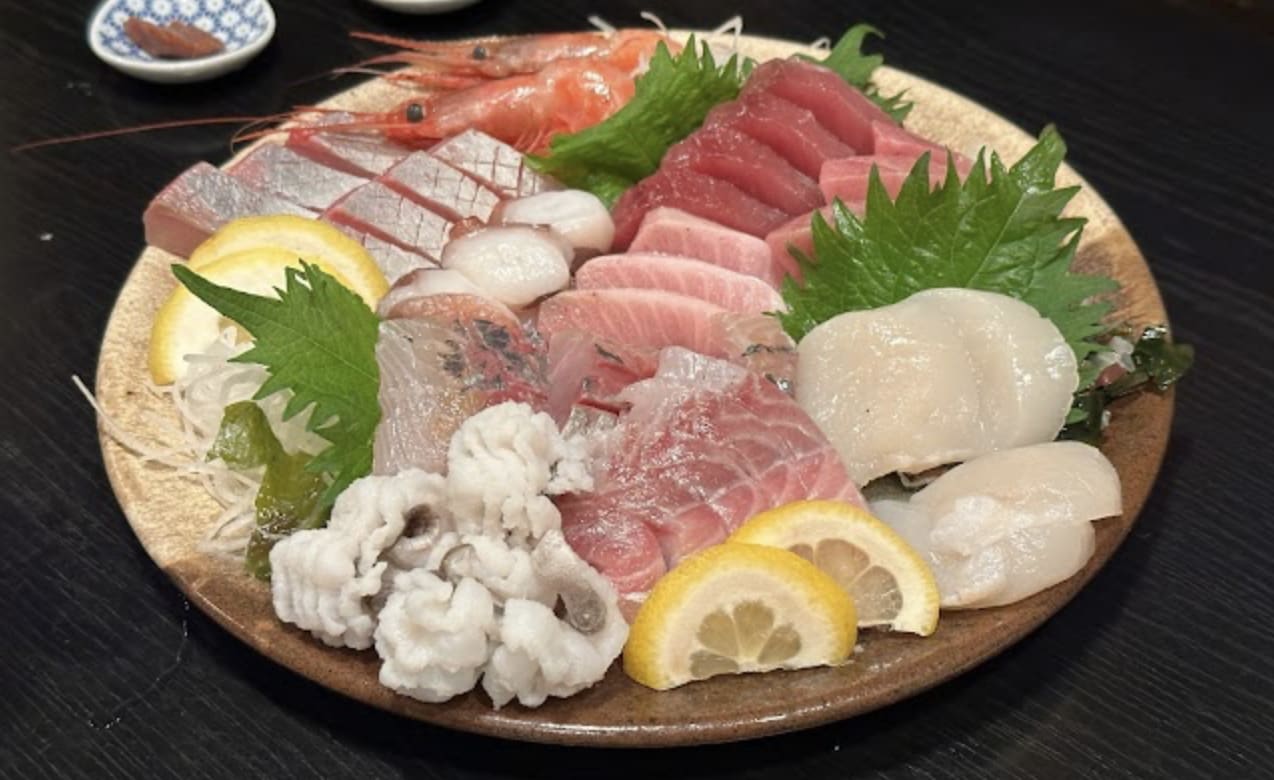
Small intimate izakaya with strong local reputation and atmospheric Kyoto evening energy. Nakagyo Ward.
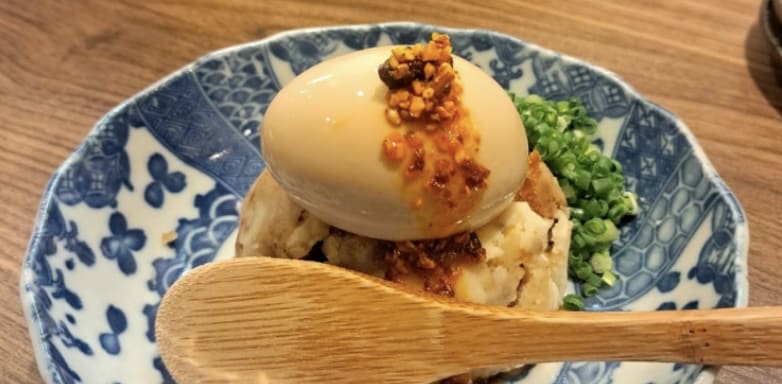
Bustling modern Kyoto izakaya with excellent food and social atmosphere. Nakagyo Ward. Good for a group dinner with range on the menu.
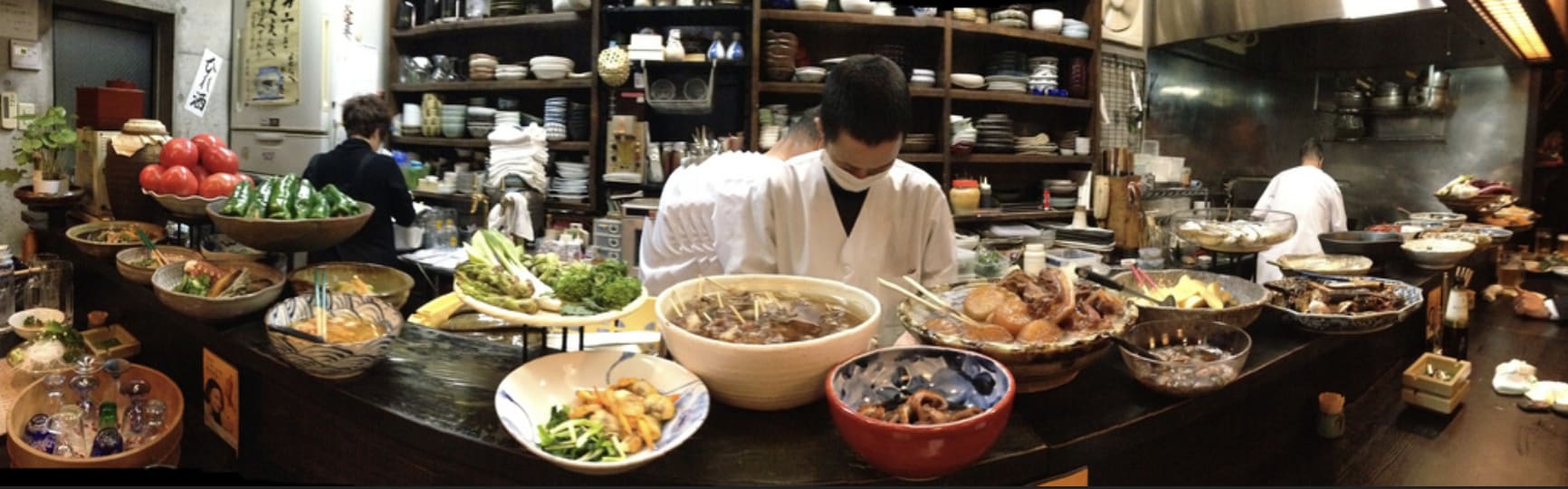
Atmospheric Kyoto izakaya with thoughtful food, sake, and slower intimate evening energy. Nakagyo Ward.
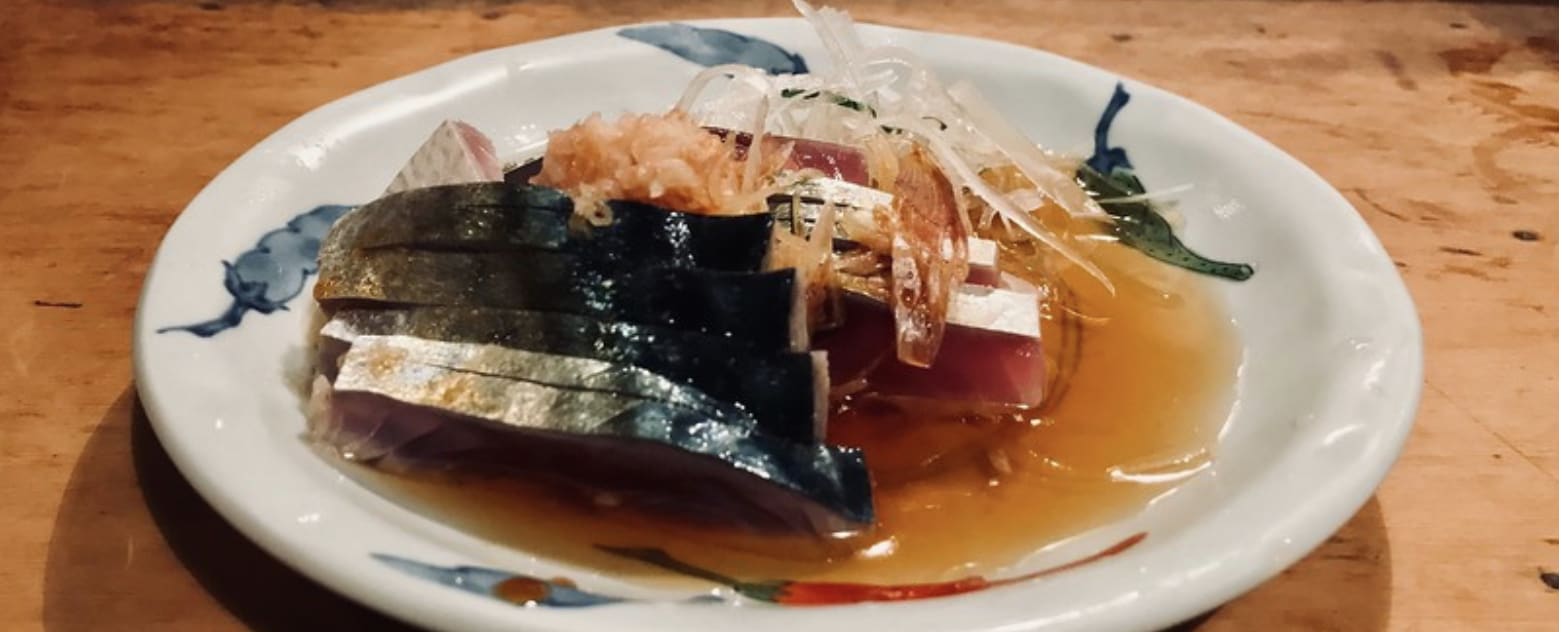
Classic old-school Kyoto izakaya with authentic local atmosphere and strong historical character. Sakyo Ward.
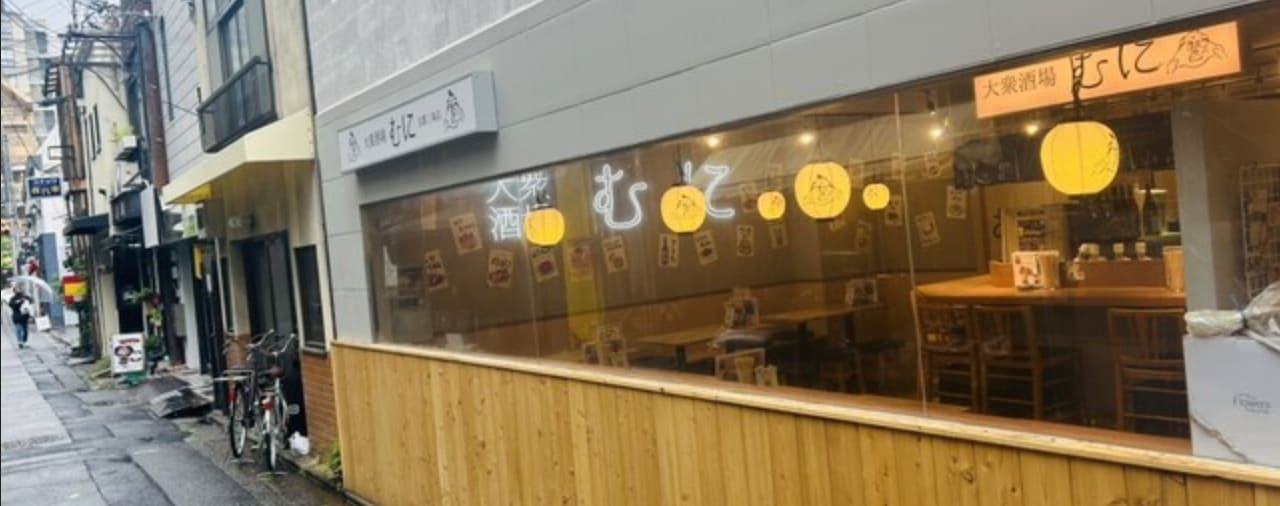
Taishū Sakaba Muni Kyoto Sanjo
Bustling casual izakaya with youthful social energy and strong local popularity. Sanjo area, Nakagyo Ward. The kind of noisy, cheap, excellent place that fills up fast.
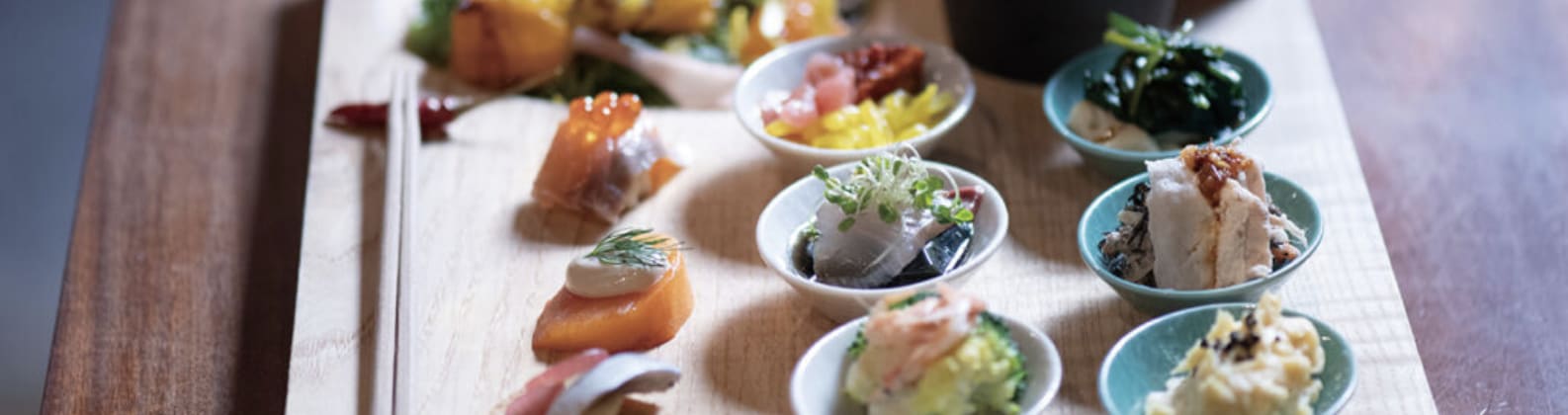
Warm intimate izakaya with refined atmosphere and beautifully presented food. Shimogyo Ward. The kind of place that makes you wish you had more nights in Kyoto.
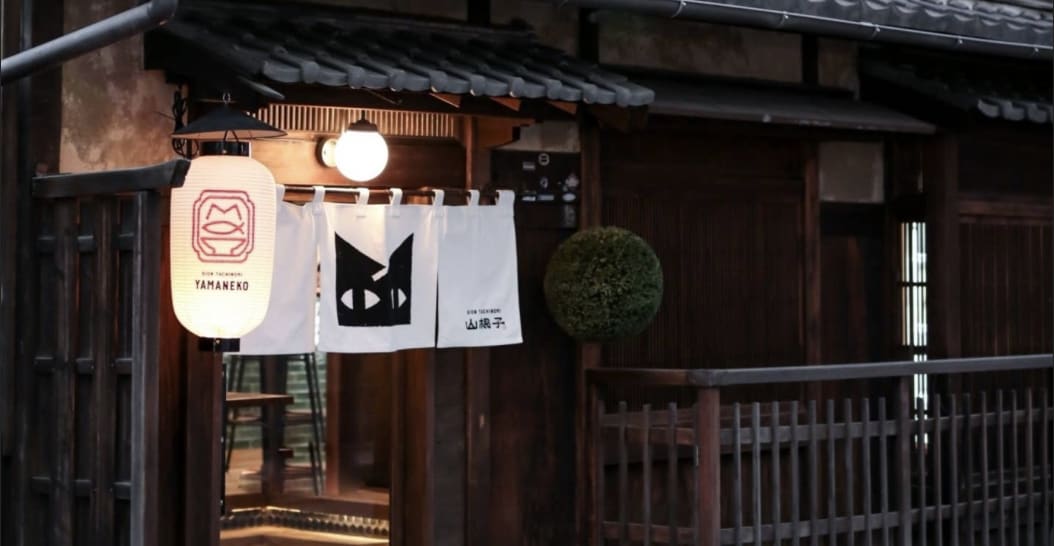
Relaxed Gion izakaya specialising in craft beer, sake, and small plates. Higashiyama Ward. Good post-walk stop after Nineizaka or an evening in Gion.
A Kyoto institution since 1949. Old machiya by the Kamo River near Sanjo — smoke-stained wooden beams, tungsten lamps, no menu outside. Find it by the lantern and the red neon sign. The lighting is terrible and your photos will reflect that. The atmosphere is irreplaceable.
Menu centres on obanzai, sashimi, vinegared mackerel, and oden with Kyoto-style dashi — all seasonal, all paired for sake. Counter seating is the move. English menu available. Cash only.
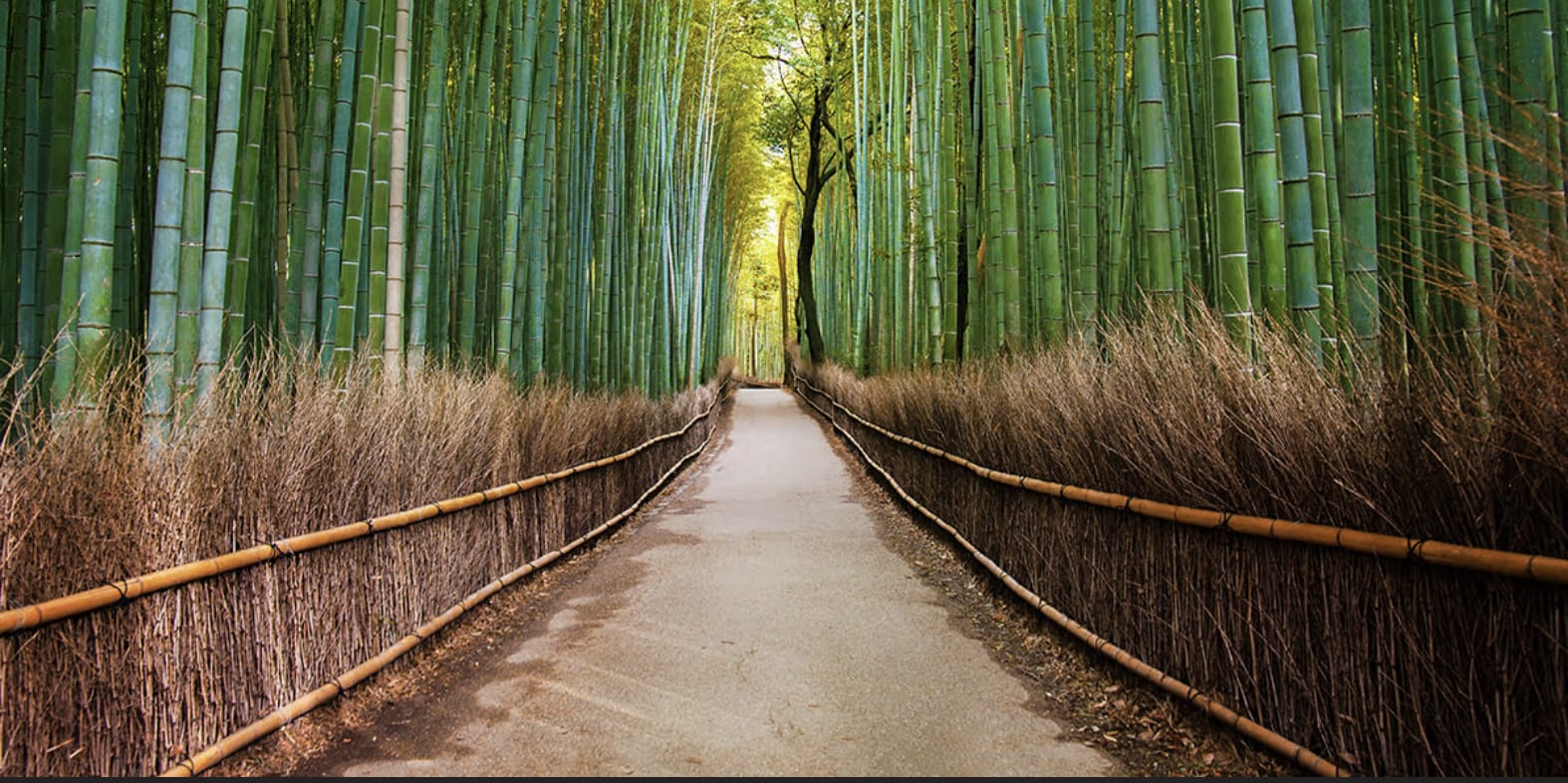
Bamboo grove, Tenryu-ji garden, monkey park above the river. 30 min west of central Kyoto. Go early — overrun by midday.
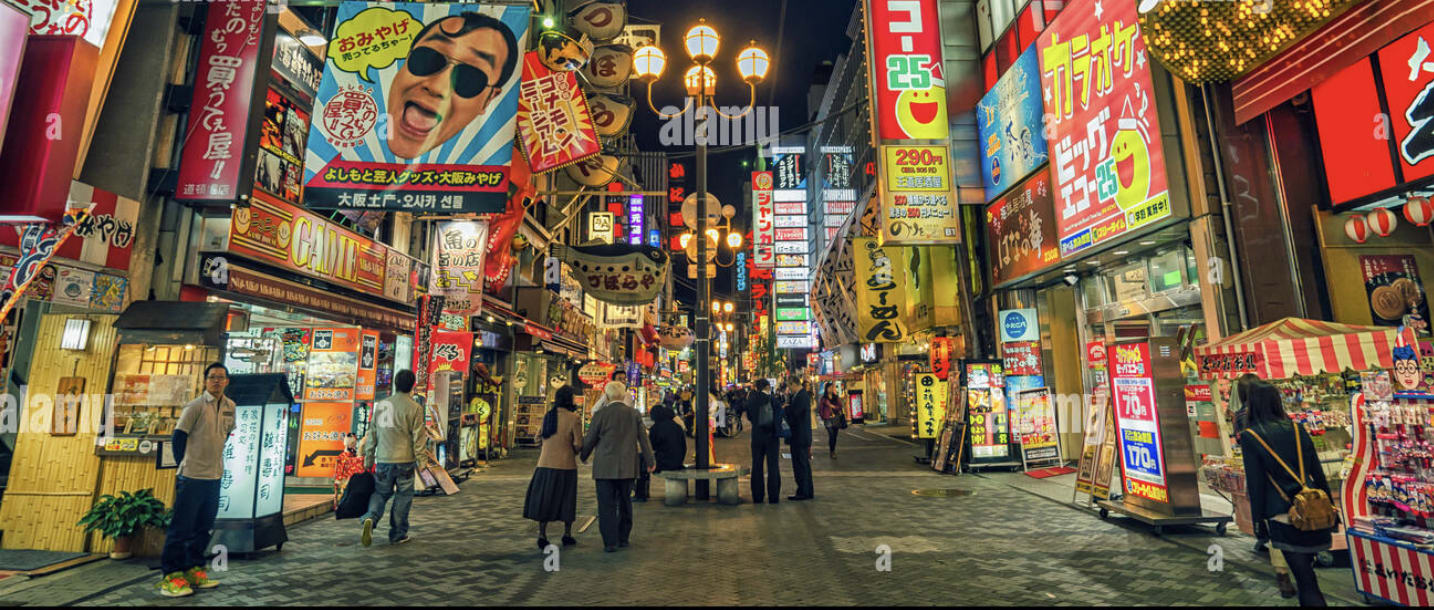
Heart of Osaka's nightlife district. Dense with bars, clubs, karaoke, and late-night food. Connects Dotonbori to the broader south Osaka entertainment zone.
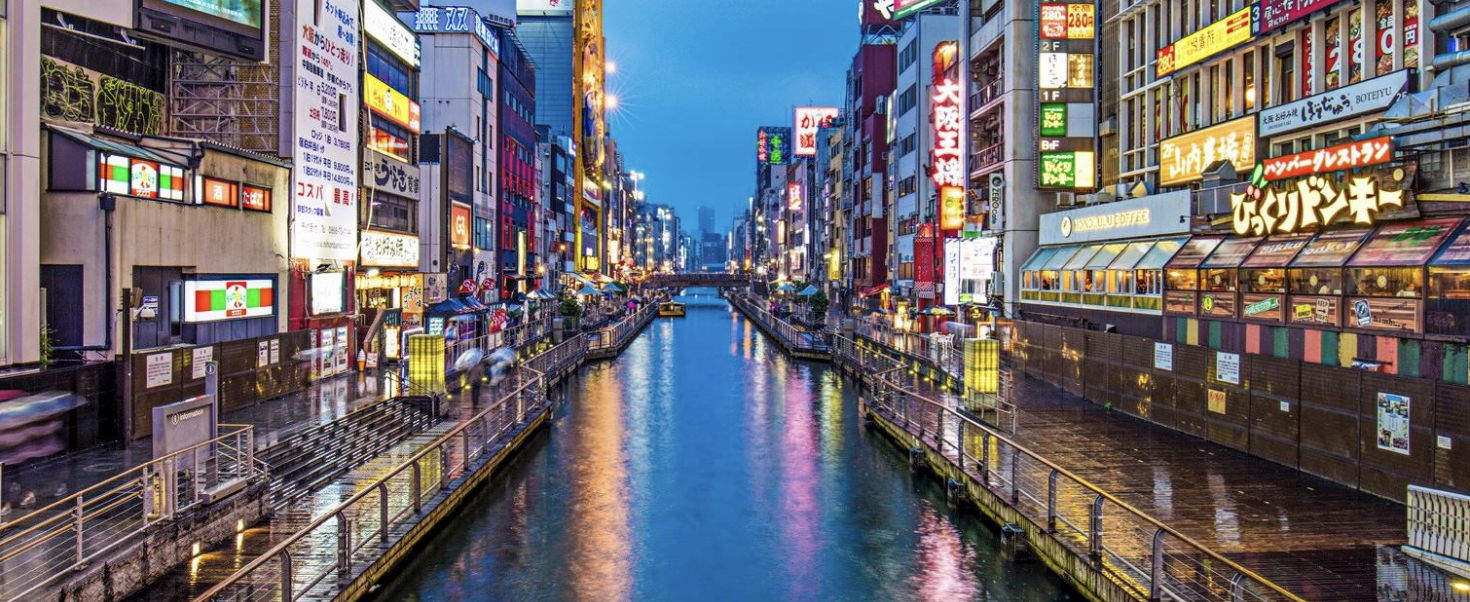
The neon canal district that defines Osaka. Takoyaki (octopus balls), okonomiyaki (savoury pancakes), kushikatsu (deep-fried skewers), and the giant mechanical crab. Eating here is theatrical and delicious. Go in the evening when the lights are on.
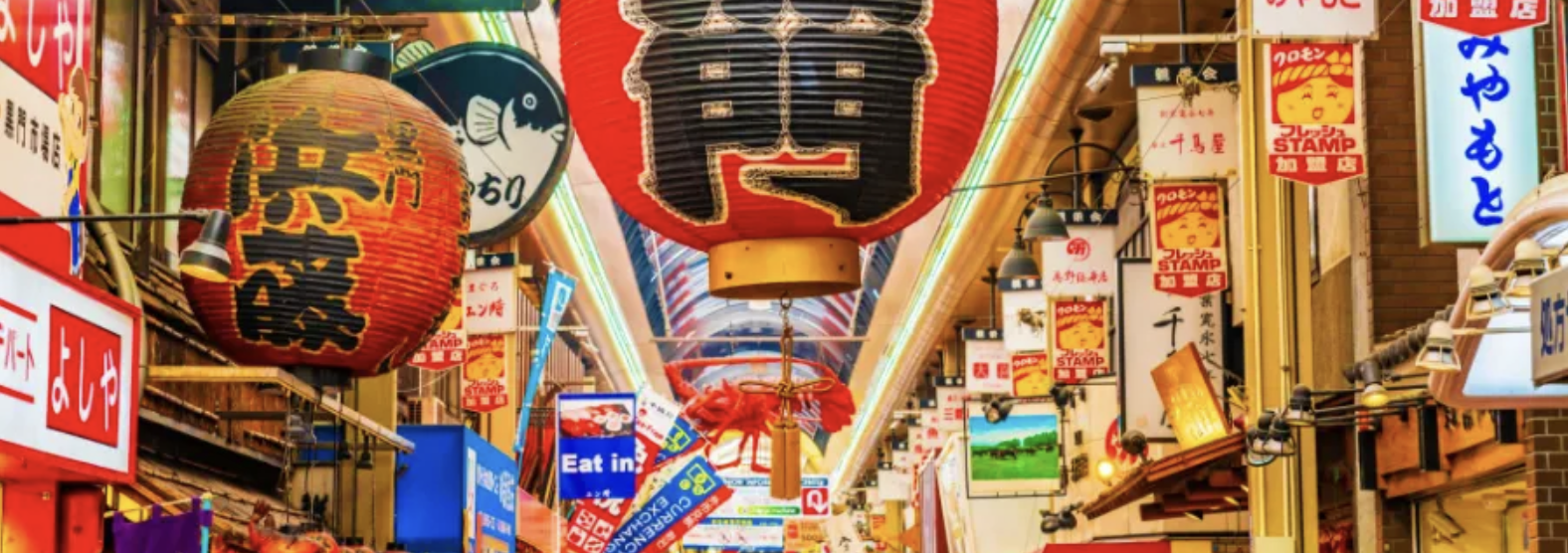
Osaka's answer to Tsukiji — the city's main food market, known as "Osaka's Kitchen." 170+ stalls of fresh seafood, wagyu, street food, and produce. Best in the morning before 11am. Namba area.
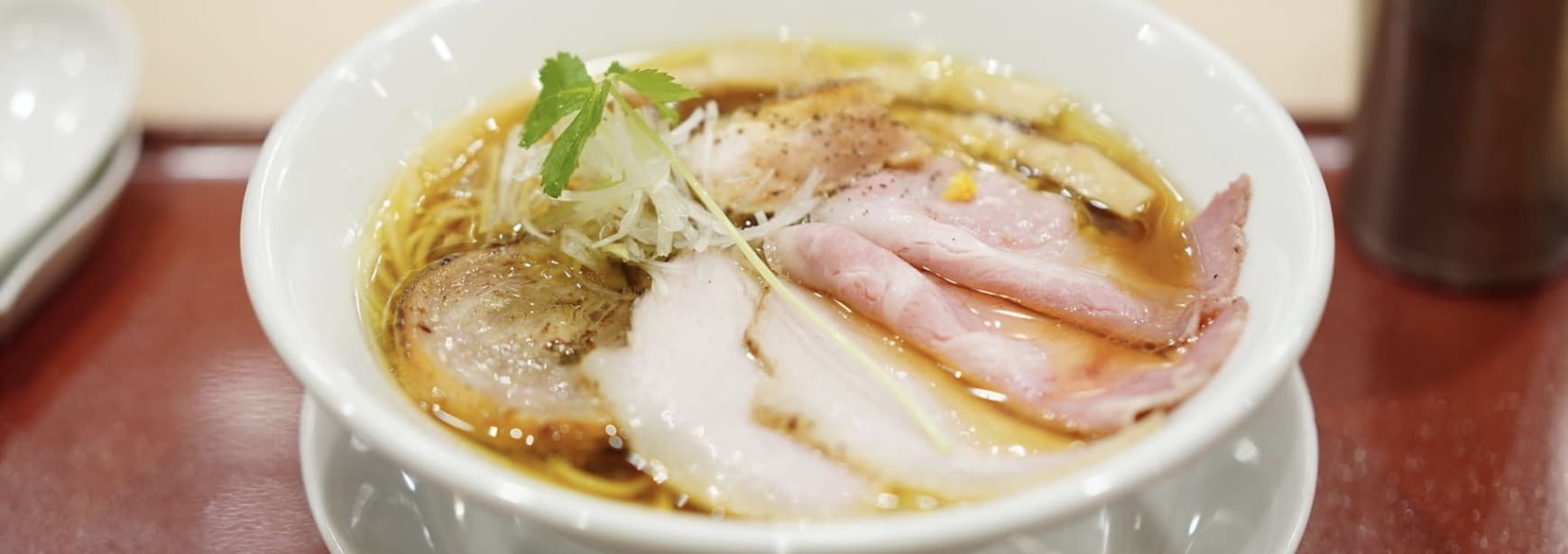
Namba-area noodle restaurant. Udon and ramen, serious broth, no fuss. A proper lunch stop.
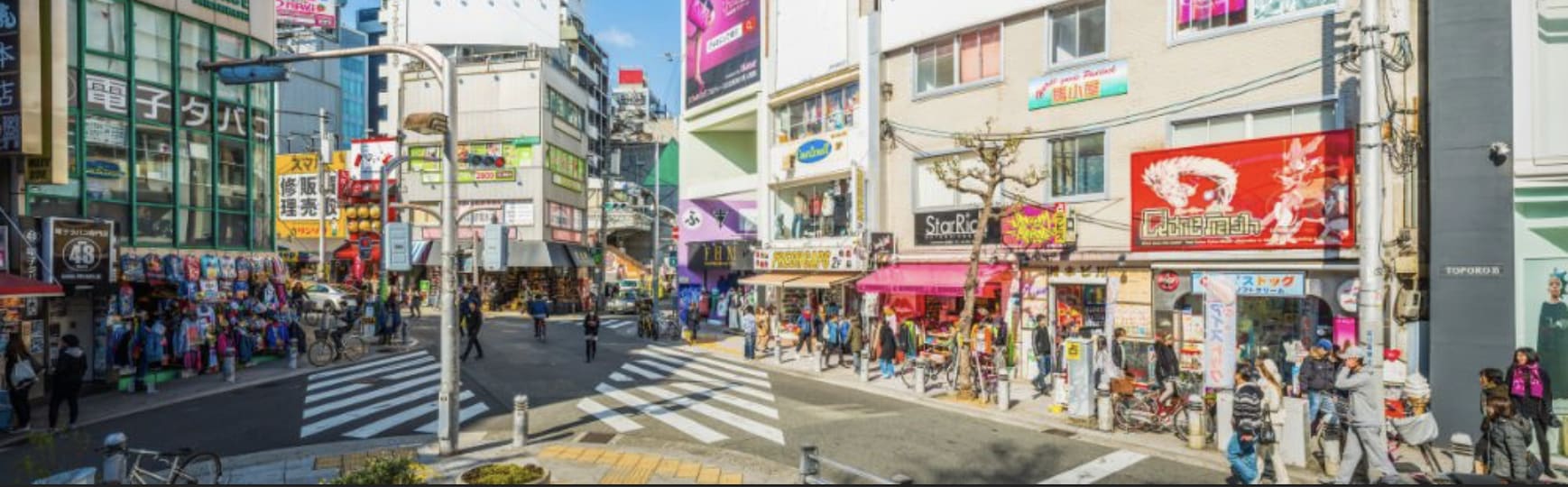
American Village — vintage fashion, street art, young Osaka crowd. Triangle Park at its centre. 5 min walk from Dotonbori.
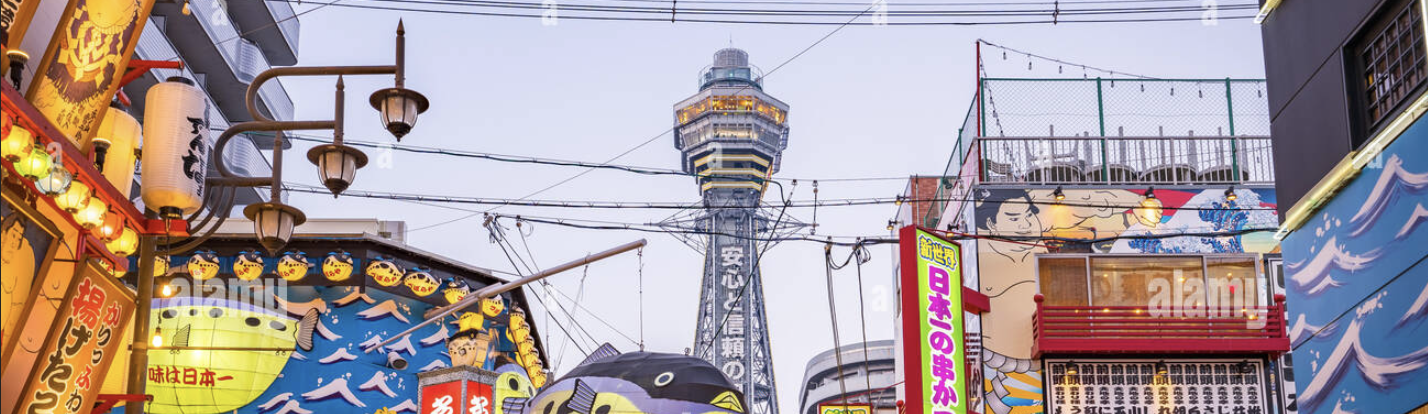
A 1950s-style neighbourhood that feels unlike anything else in Japan — retro billboards, cheap kushikatsu restaurants, old men playing shogi in cafés. Tsutenkaku is a vintage observation tower. Genuinely strange and brilliant.
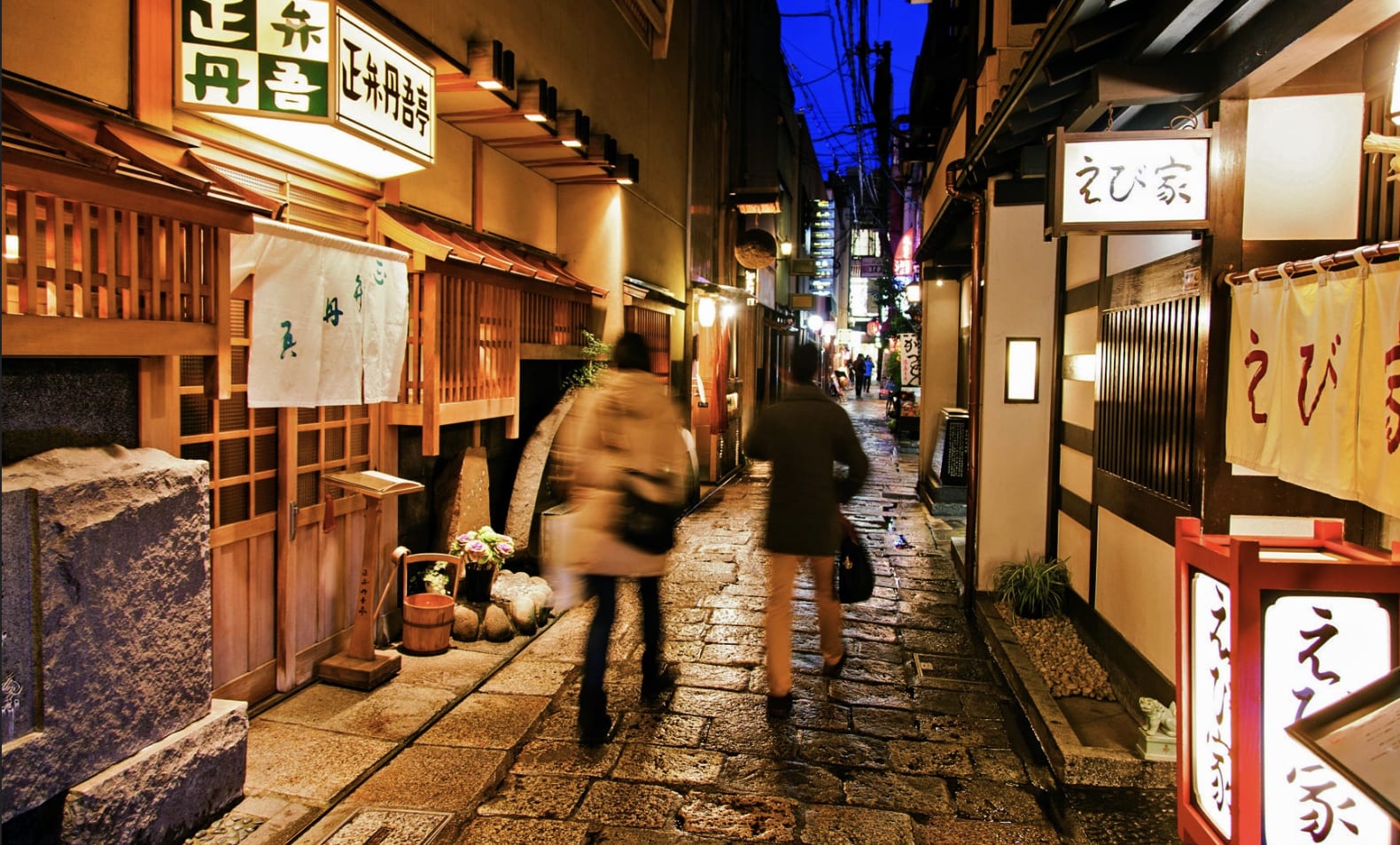
Tiny moss-covered alley right behind Dotonbori. Atmospheric old izakayas, lantern-lit. Completely different mood from the main drag.
The best camera shop in Osaka. Rated 4.7 across 680+ reviews. Strong selection of used film cameras, Fujifilm, Leica, lenses, and accessories. Staff go above and beyond — English spoken, tax-free on passport, and multiple reviewers report them spotting lens defects and swapping for better stock unprompted. Standalone store, 2 min from Shinsaibashi subway.
Tucked in the basement of the JR Osaka Crosst Building (Umeda station complex). Good selection of used cameras and lenses at competitive prices — film-era gear well represented. No pressure atmosphere, staff don't hover. Worth combining with Umeda Yodobashi next door for comparison. Harder to find than it should be — look for "Crosst" and head to B1F.
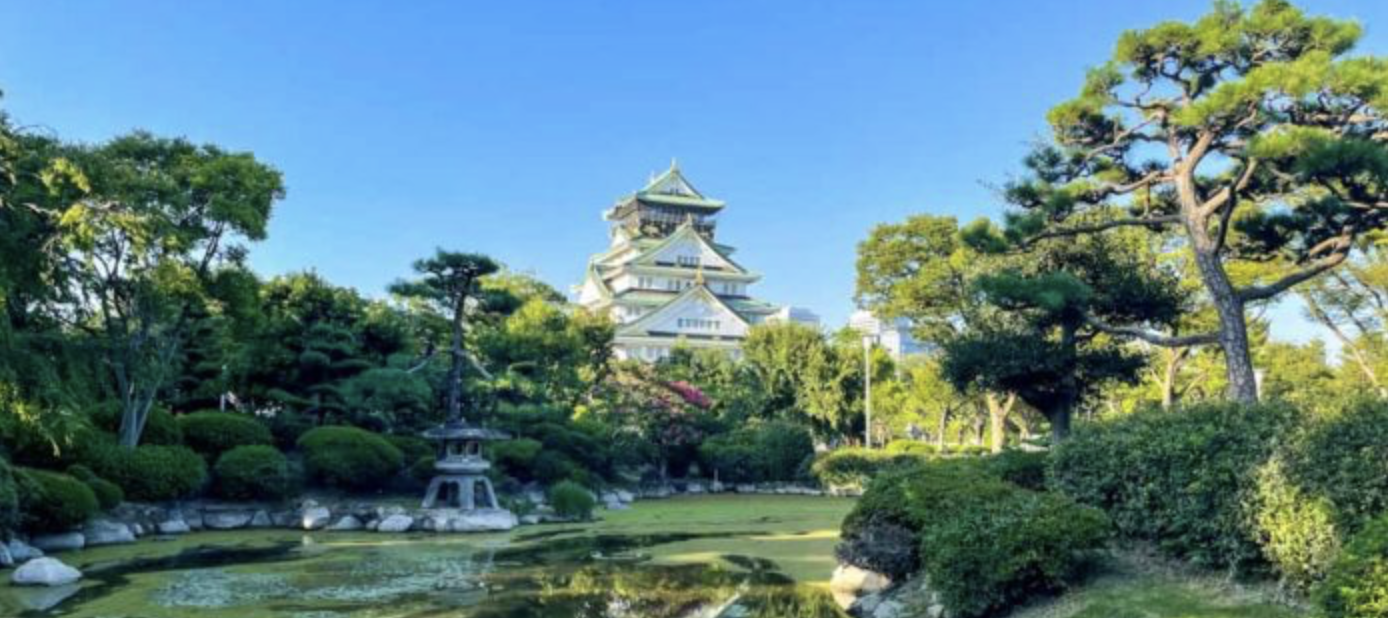
One of Japan's most famous castles, surrounded by a huge moat and park. The park is free — the castle interior costs ~¥600. May is a lovely time — greenery at peak. The food vendors outside the castle gates are good for takoyaki.
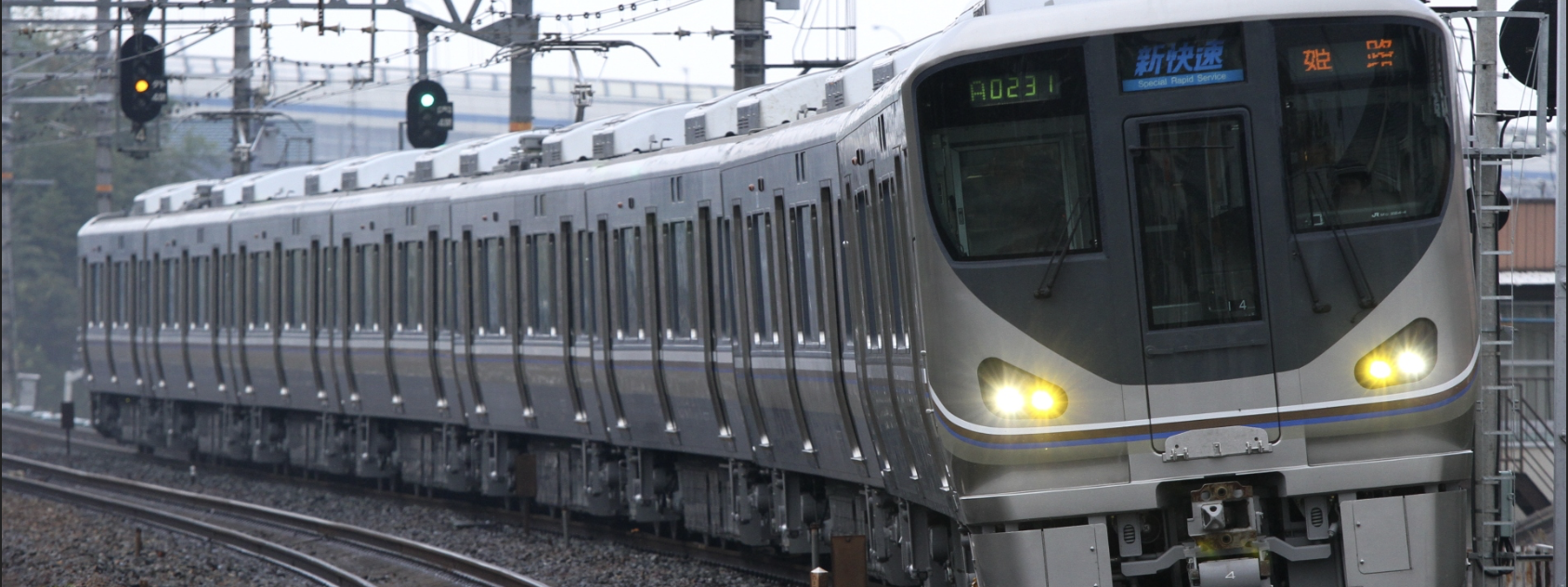
From Kyoto: JR Special Rapid from Kyoto Station to Osaka Station — 28 minutes, ¥580, covered by JR Pass. Runs every 15 minutes. No reservation needed. Get off at Osaka Station (Umeda) for the north of the city, or continue to Shin-Osaka for the subway south to Namba/Dotonbori.
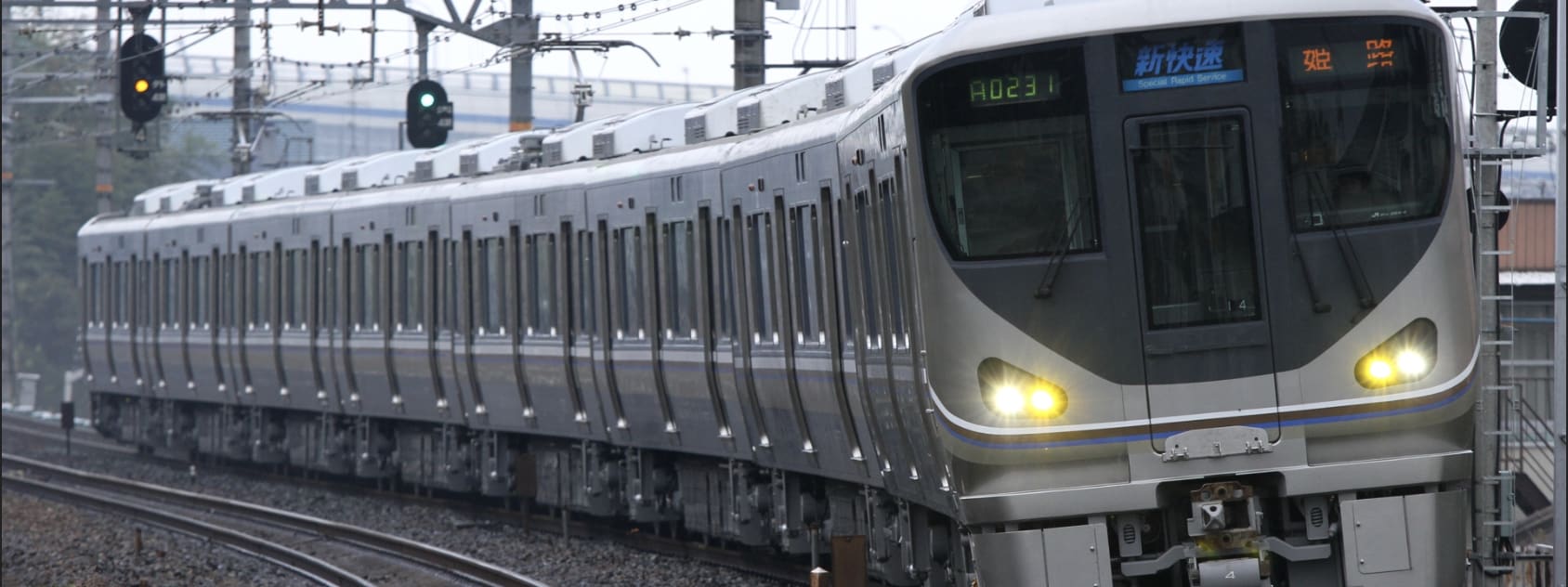
One of the world's great aquariums. Whale sharks, manta rays, the Pacific ecosystem tank. Genuinely spectacular. Worth it even if aquariums aren't usually your thing.
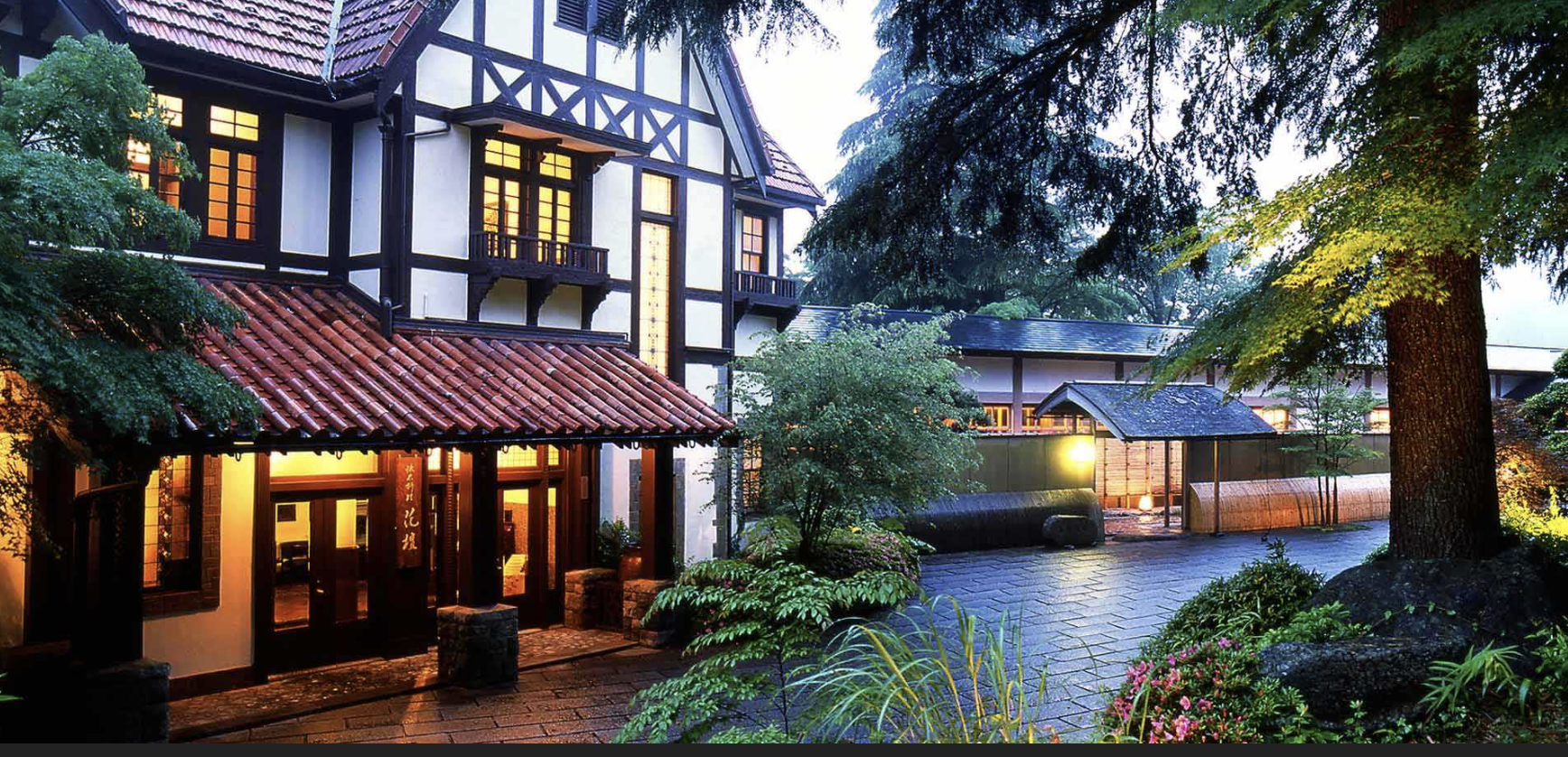
Gora Kadan — luxury, extraordinary. gorakadan.com
Fukuzumiro — mid-range with real character. fukuzumiro.com
Yukata → onsen → kaiseki dinner → sleep → bathe again → breakfast → leave.
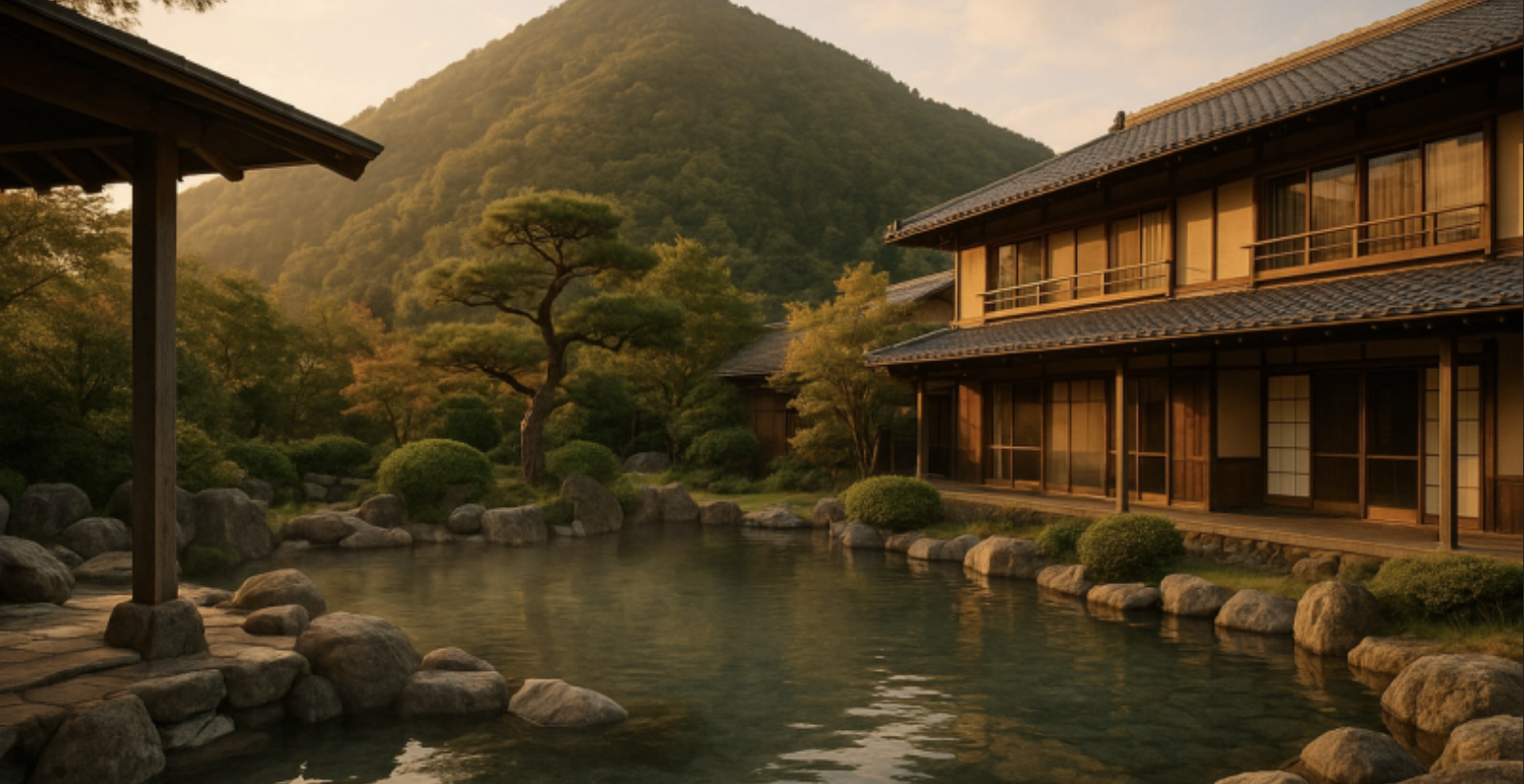
Public baths (adult): Weekdays ¥1,700–¥1,800 · Weekends/holidays ¥2,000–¥2,200 · Children (6–12) ¥1,000.
Private open-air baths (19 rooms, reservation required): ~¥3,900–¥6,000/hour. Many at ~¥4,500–¥6,000.
Hours: Weekdays 10:00–21:00 (last entry 20:00) · Weekends/holidays 10:00–22:00 (last entry 21:00).
Shuttle available from Hakone-Yumoto Station. Book private baths at hakoneyuryo.jp. More info at hakone-japan.com.
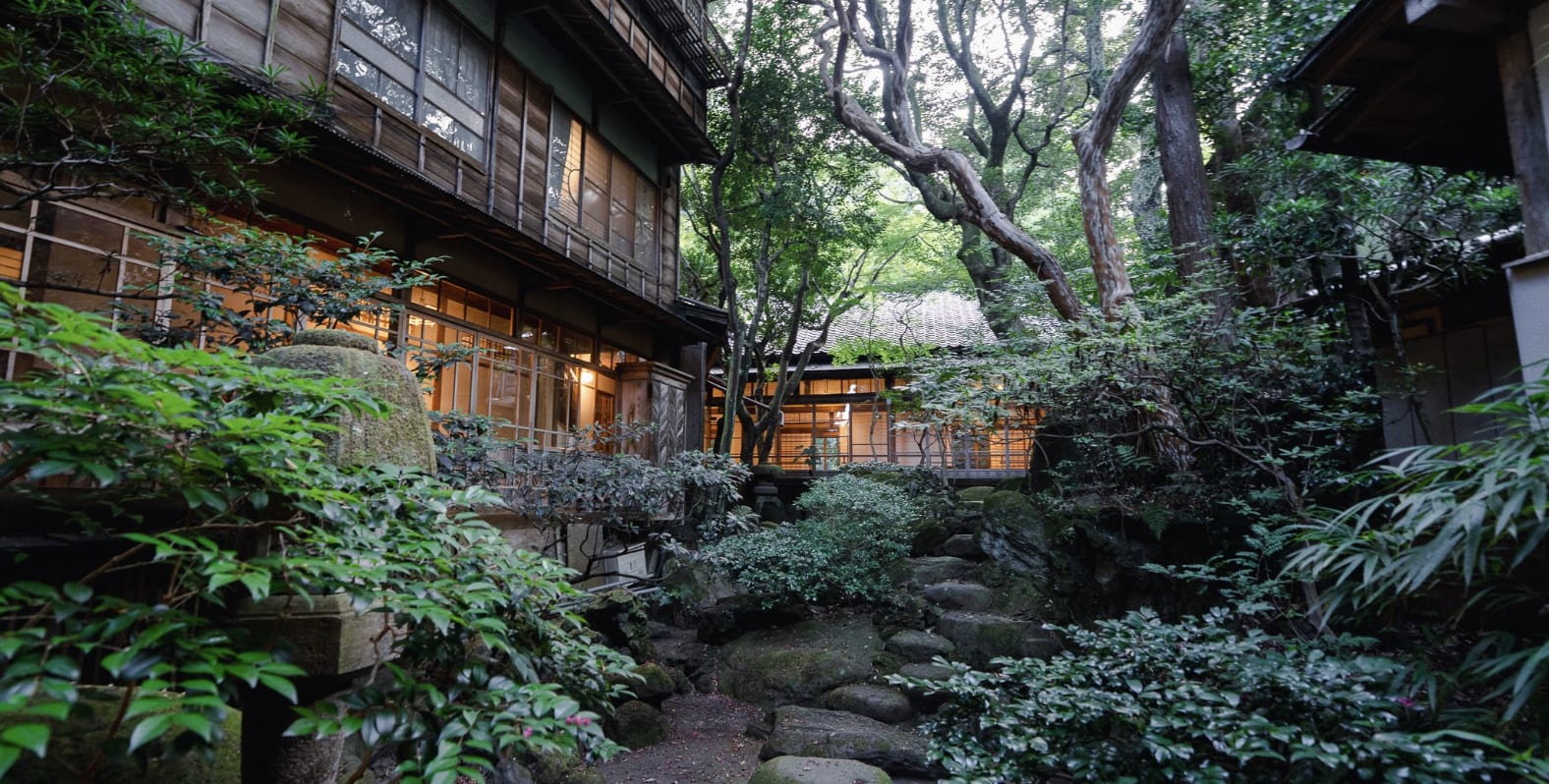
One of Hakone's oldest ryokan, dating to the Meiji era. Traditional onsen baths in a beautifully preserved historic setting. Day-use bathing available. fukuzumiro.com
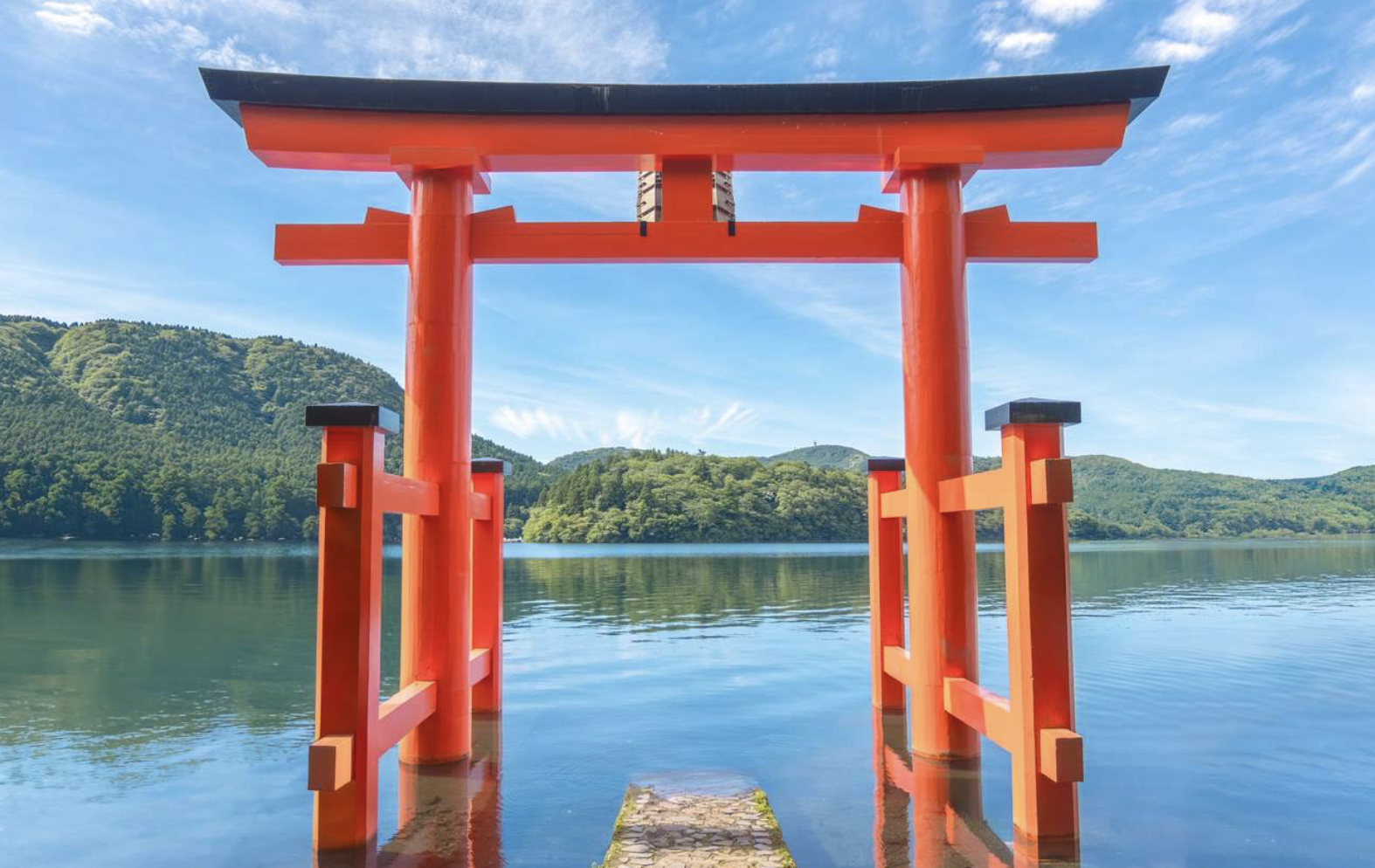
The iconic torii gate rising from the lake with Mount Fuji behind it. Best in morning mist. Combine with the lake crossing by boat to Moto-Hakone.
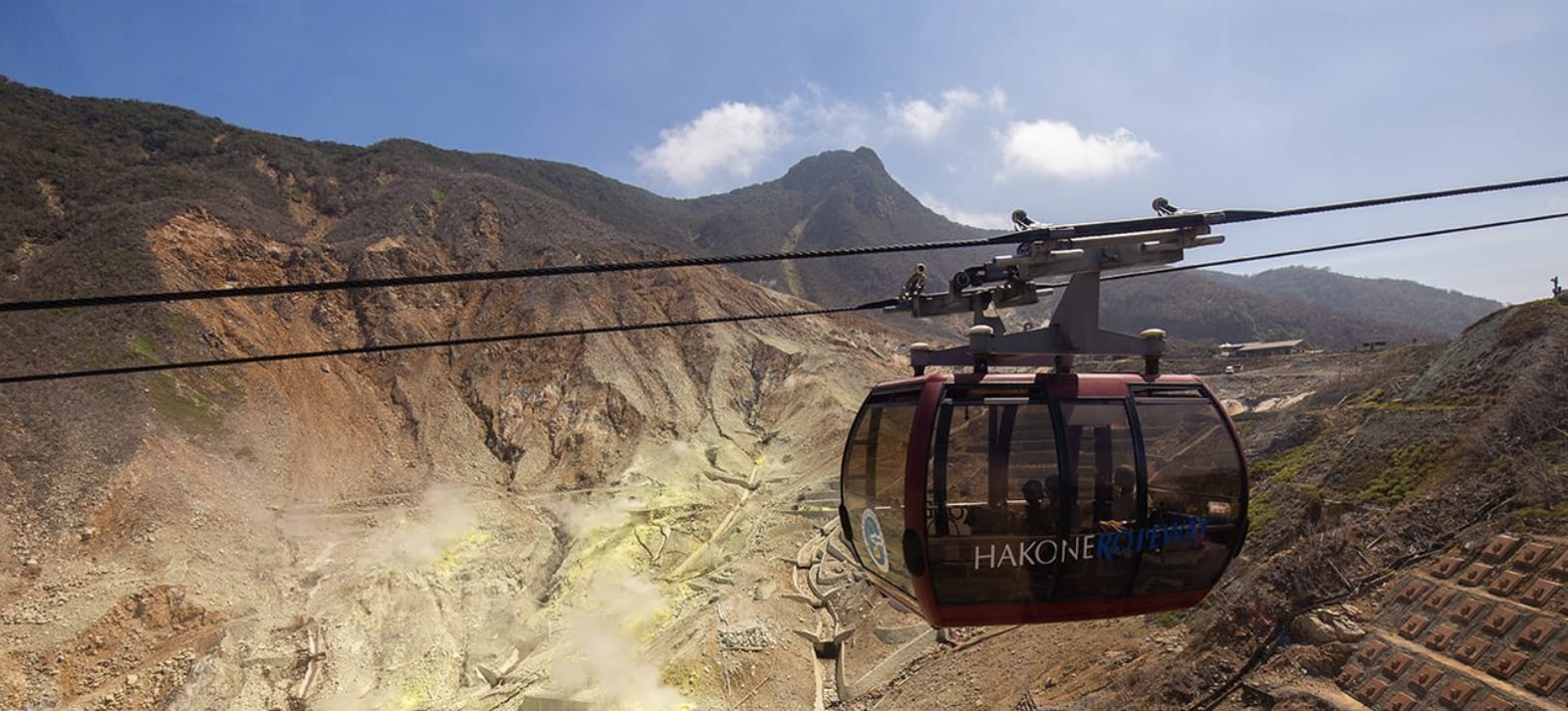
Active volcanic area with sulphur vents, black eggs, and the best Mt Fuji angle in Hakone. Cable car from Sounzan or Gora.
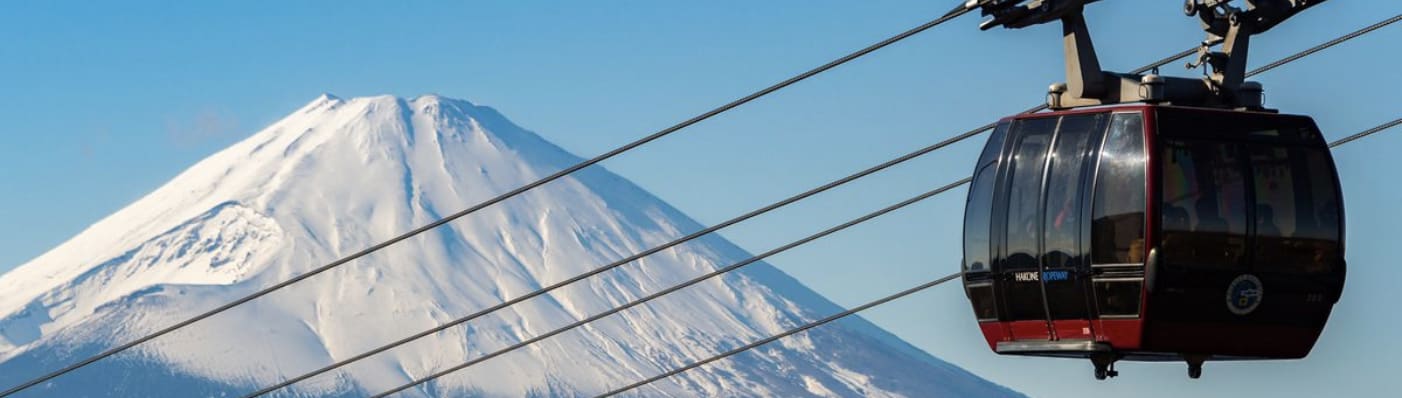
Cable car route over volcanic scenery and mountains. Best in clear weather — the views over Owakudani and towards Fuji are genuinely cinematic. Runs Sounzan to Togendai with a stop at Owakudani.
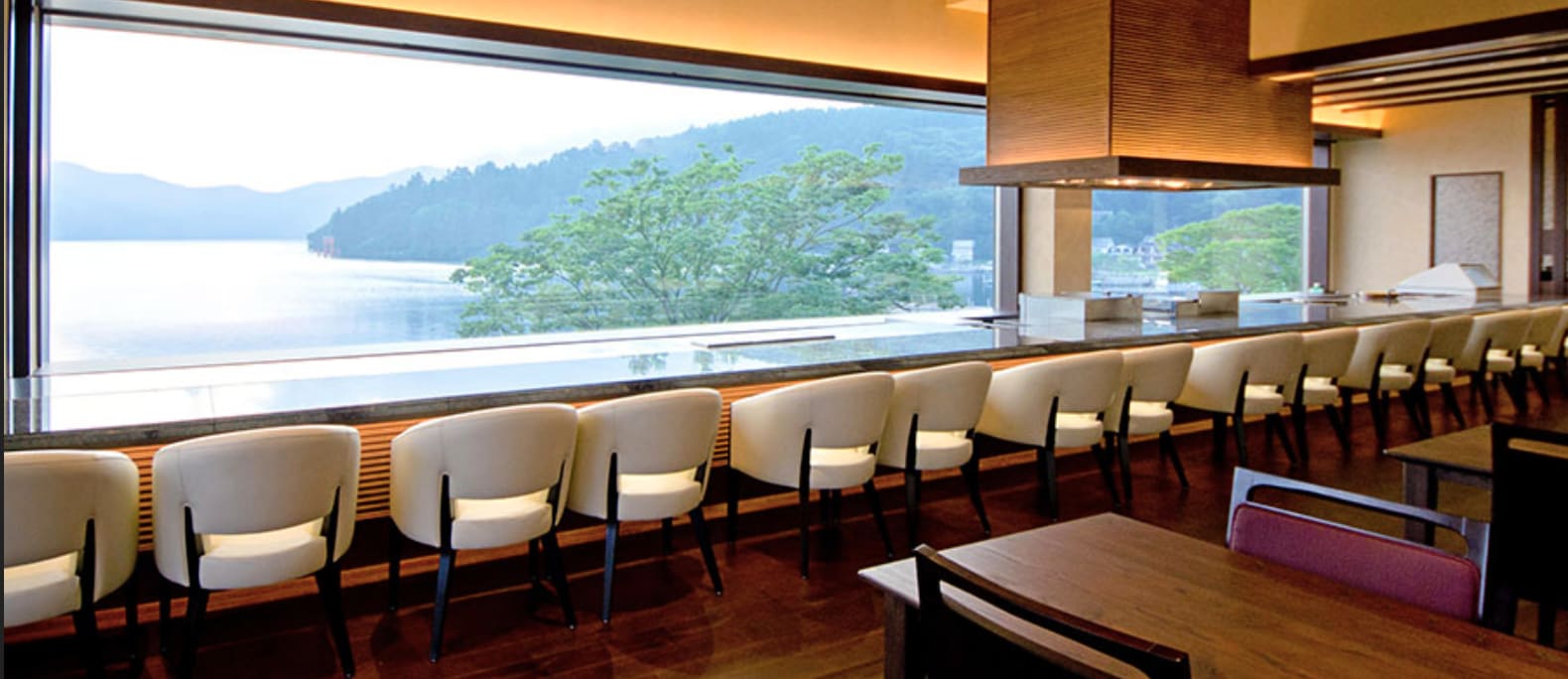
Flexible slow moment around Lake Ashi. Ideal for decompressing, photography, journaling, or simply absorbing the atmosphere. Several cafés sit along the waterfront at Moto-Hakone and Hakone-machi.
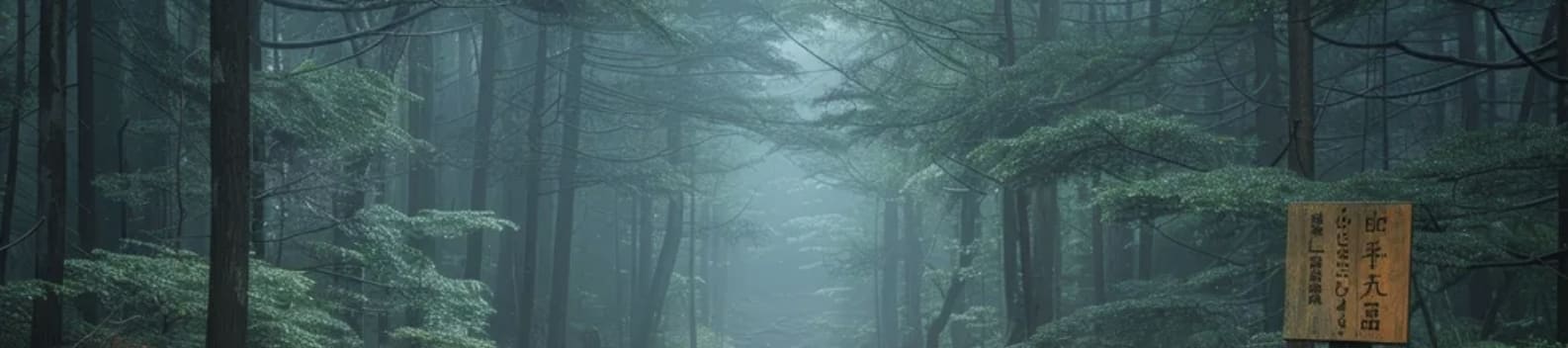
Alternative Hakone mindset for foggy or rainy weather. Lean into atmosphere rather than chasing Fuji visibility — forests, mist, steam vents, shrines, onsen. The Open-Air Museum, Pola Museum, Okada Museum, and Yuryo all work well in rain.
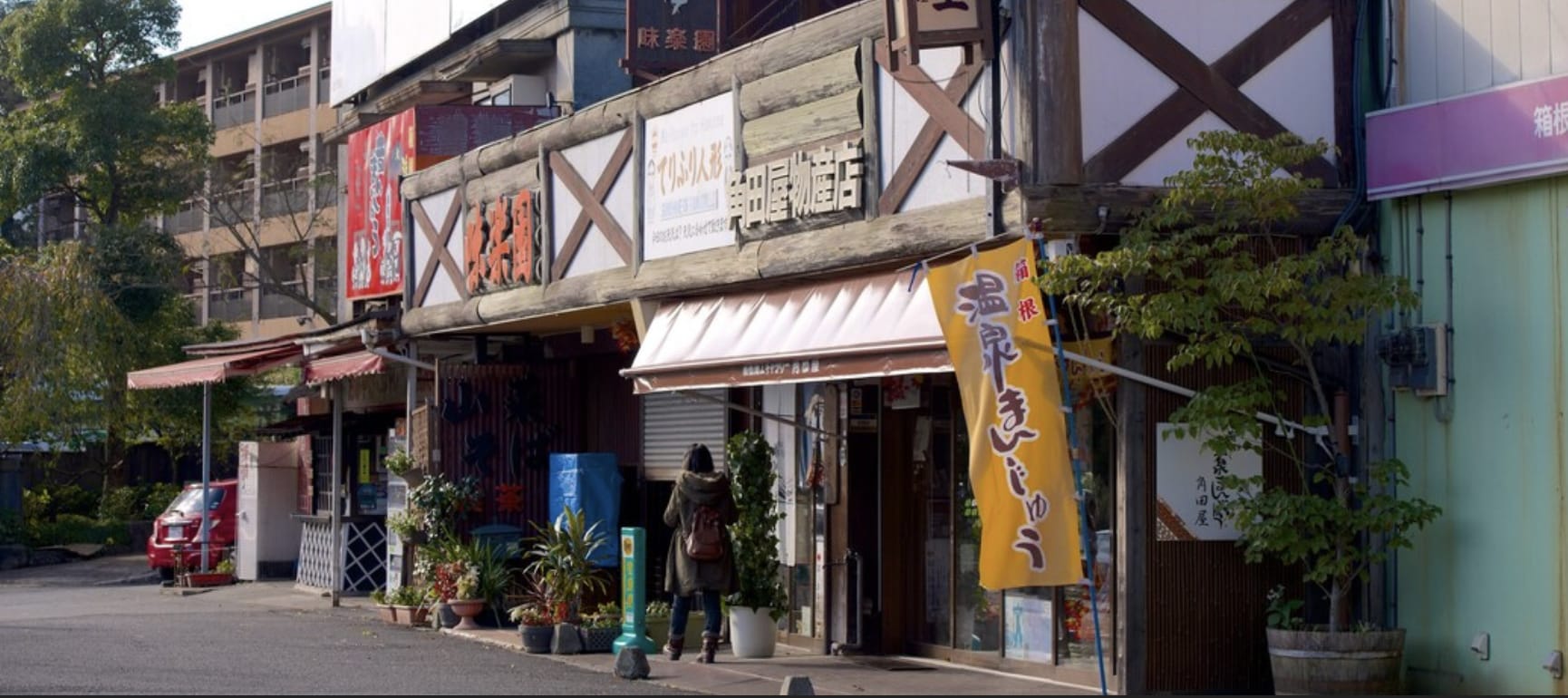
Small town around the Hakone ropeway base. Craft shops, local cafés, pottery. Good low-key afternoon wander.
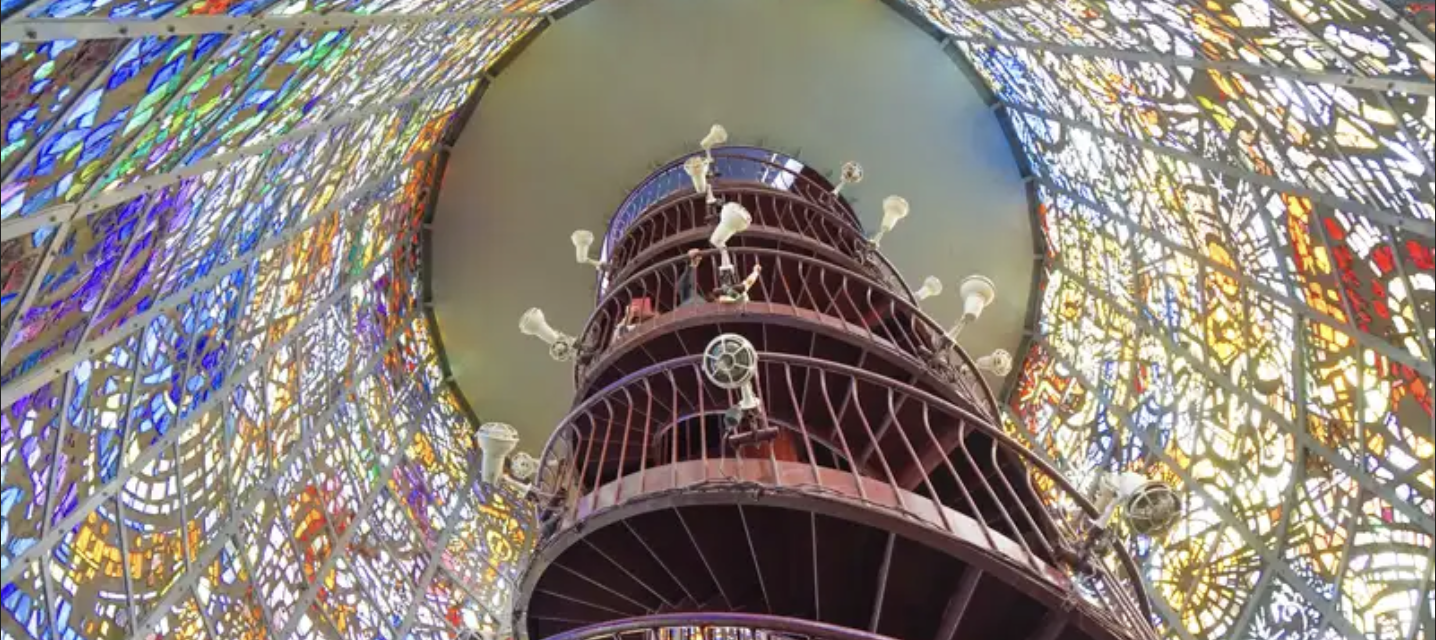
World-class outdoor sculpture set against the mountains. Major Moore, Rodin, dedicated Picasso pavilion. Admission ~¥1,600. 9am–5pm.
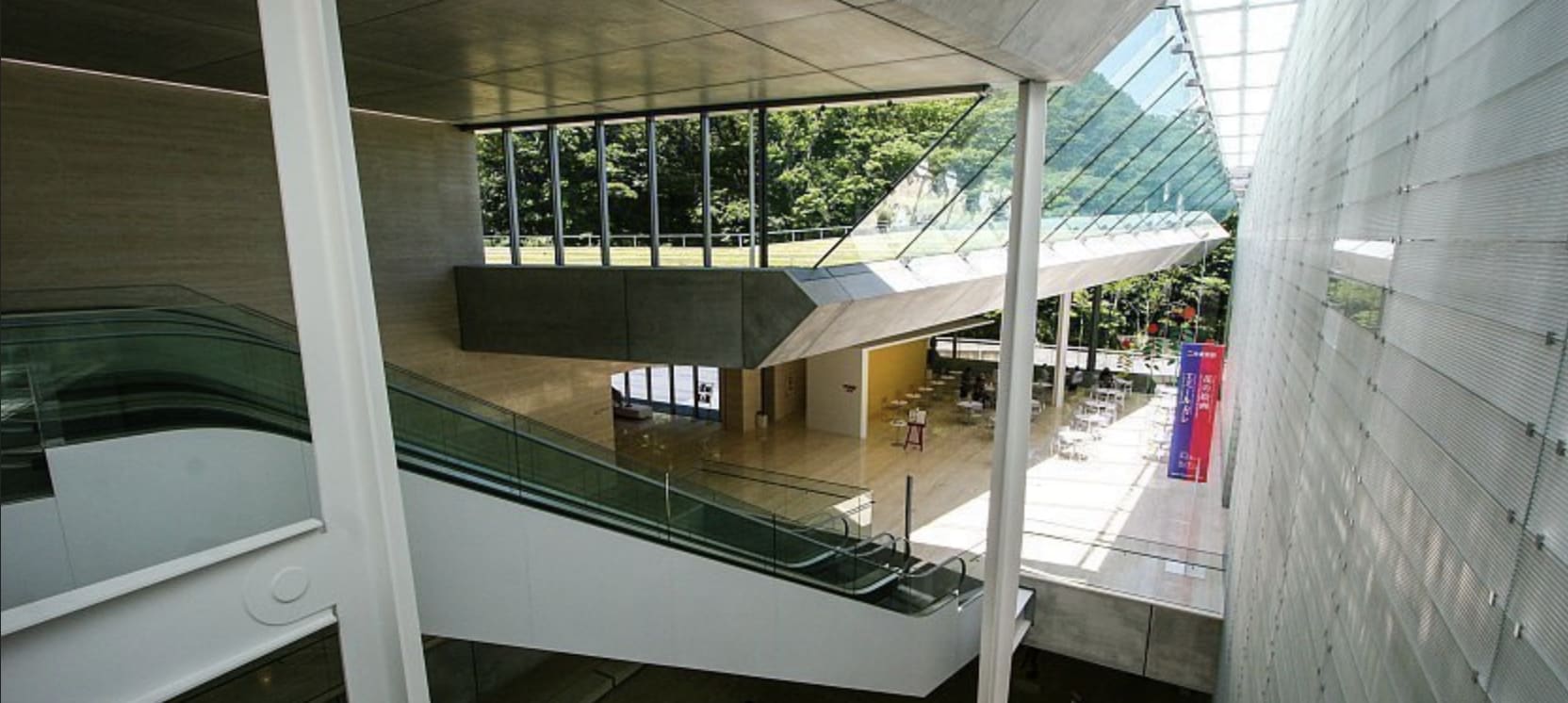
Minimal modern museum set within forest landscape. Quiet, contemplative atmosphere with excellent architecture — the building itself is worth attention. Strong collection including Monet, Cézanne, and Picasso.
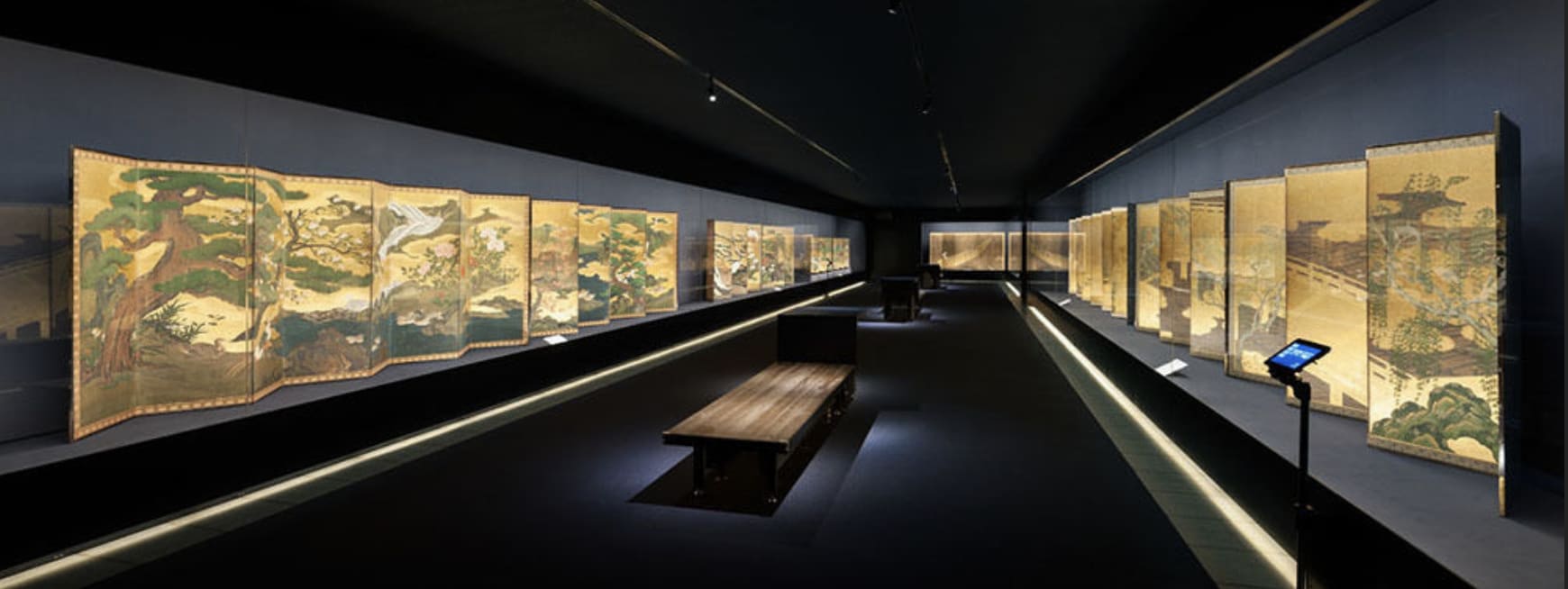
Elegant museum focused on East Asian art — ceramics, lacquerware, paintings — with beautiful grounds and a calmer, more traditional atmosphere than the Open-Air Museum. Foot bath at the entrance is a nice touch.
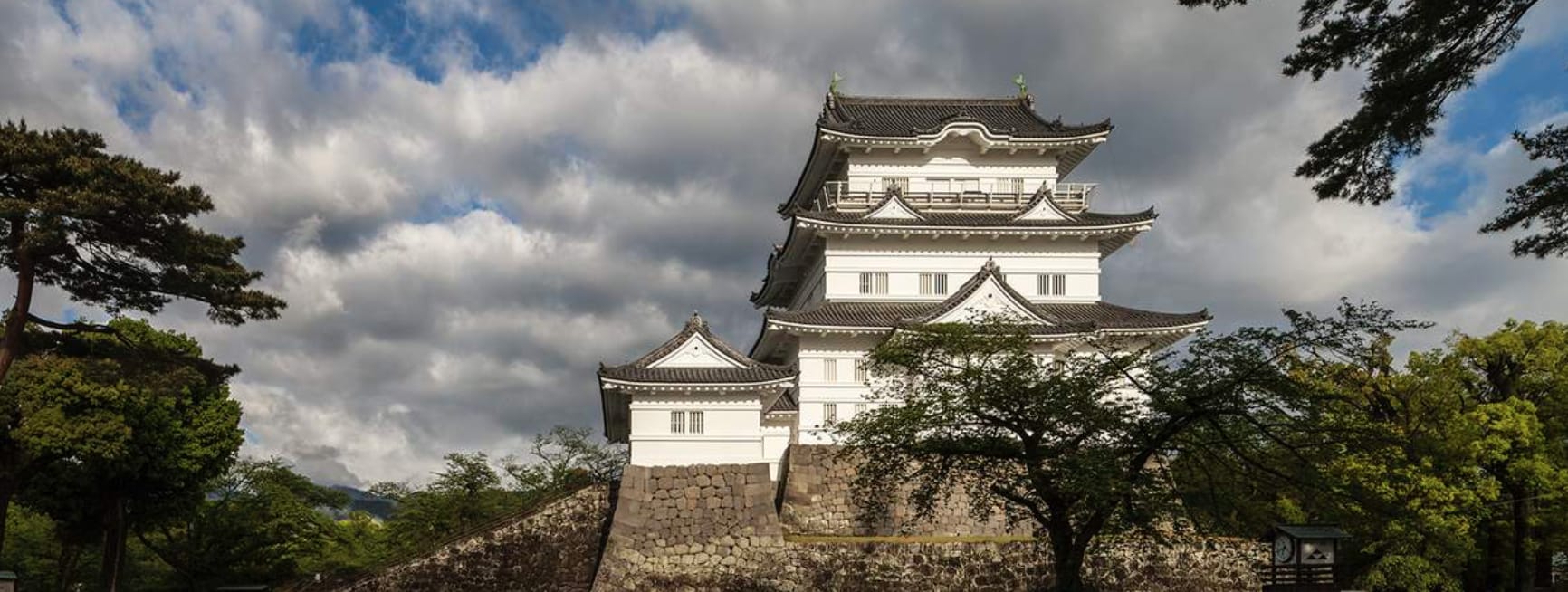
Well-preserved castle with good views. 5 min from Odawara station — easy stop en route from Tokyo before continuing to Hakone.
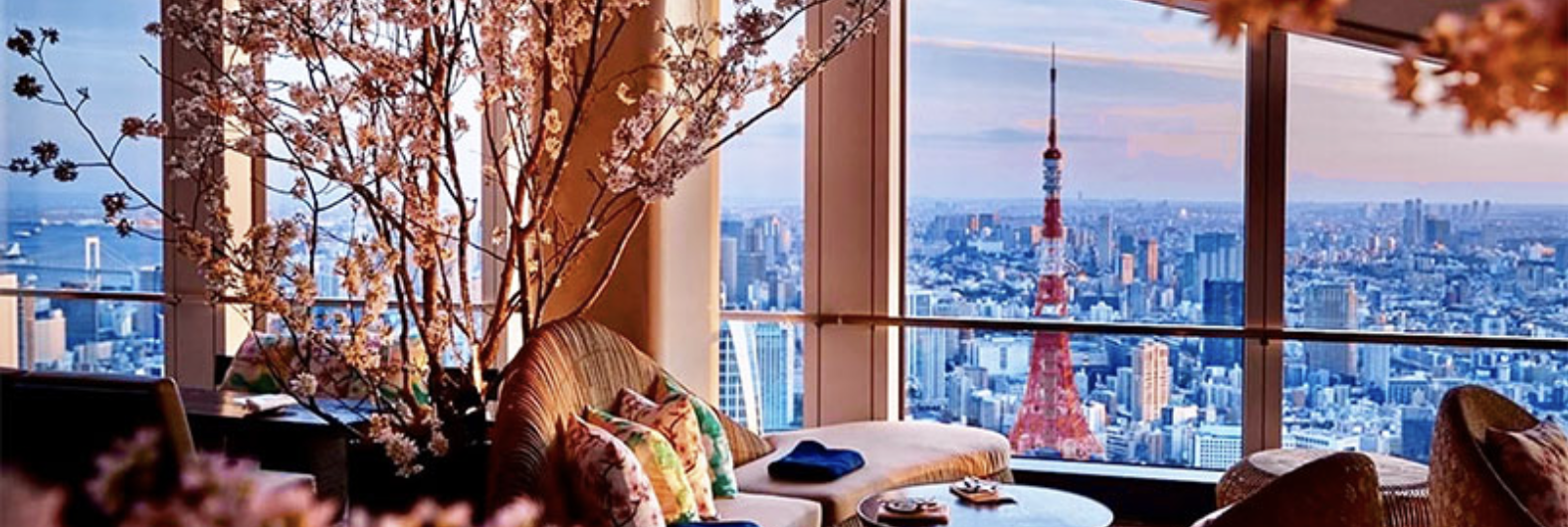
52nd floor of Toranomon Hills. Views over Tokyo Bay and the Imperial Palace. Japanese-inspired cocktails with yuzu, wasabi, and matcha. From ¥2,000. Open 5pm–midnight.

230 metres above Shibuya. Mount Fuji to Tokyo Tower on a clear day. Bar 4pm–10pm. Tickets ~¥2,000, discounted online. Book ahead — sells out.
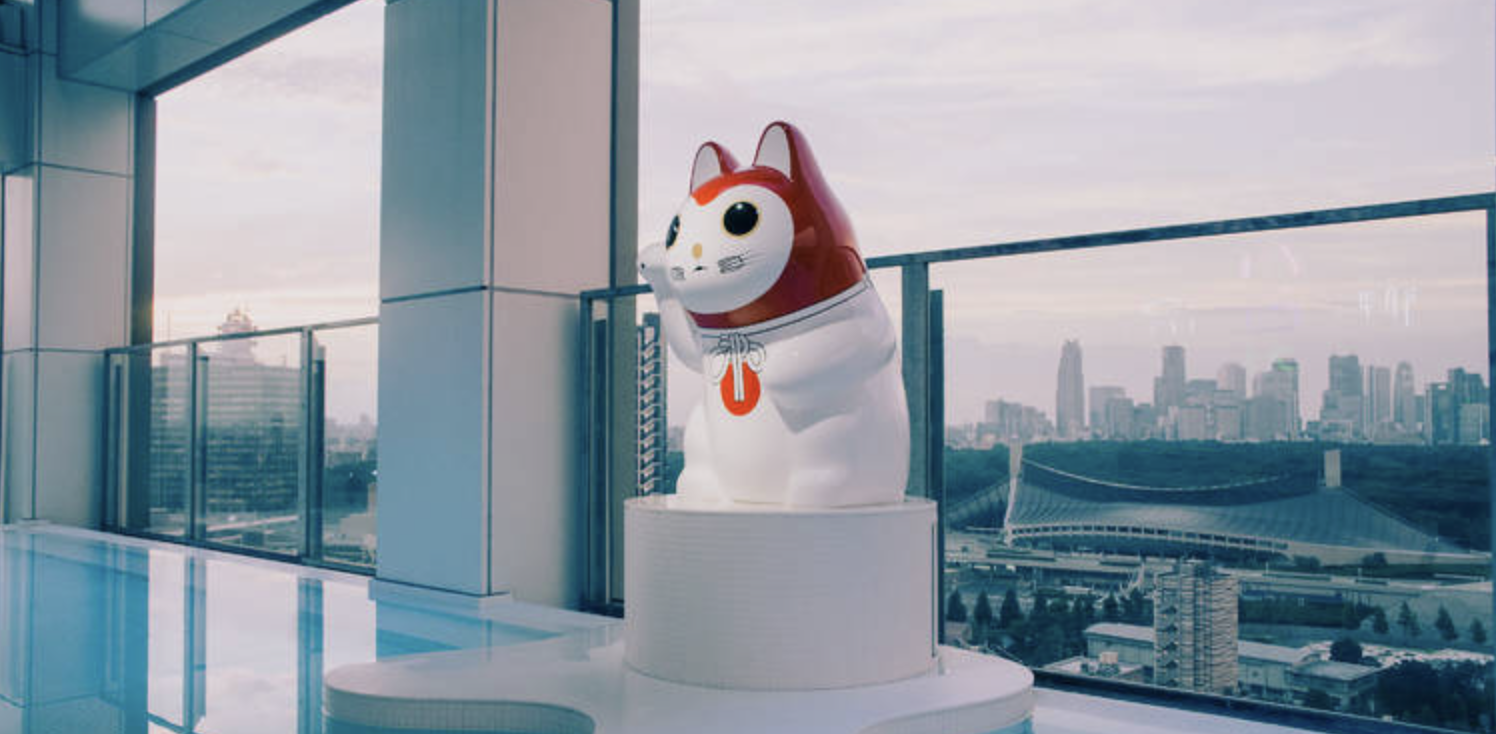
18th floor rooftop pool bar. 30+ gins, house-infused sake blends. DJ sets from 9pm weekends. Open until 1am.

Five floors up but feels much higher. Modern fine dining indoors, stylish terrace over Omotesando. Excellent wine list.

Barefoot walk through water, into living garden rooms, through extraordinary immersive light installations. Closing 2027. Book here.
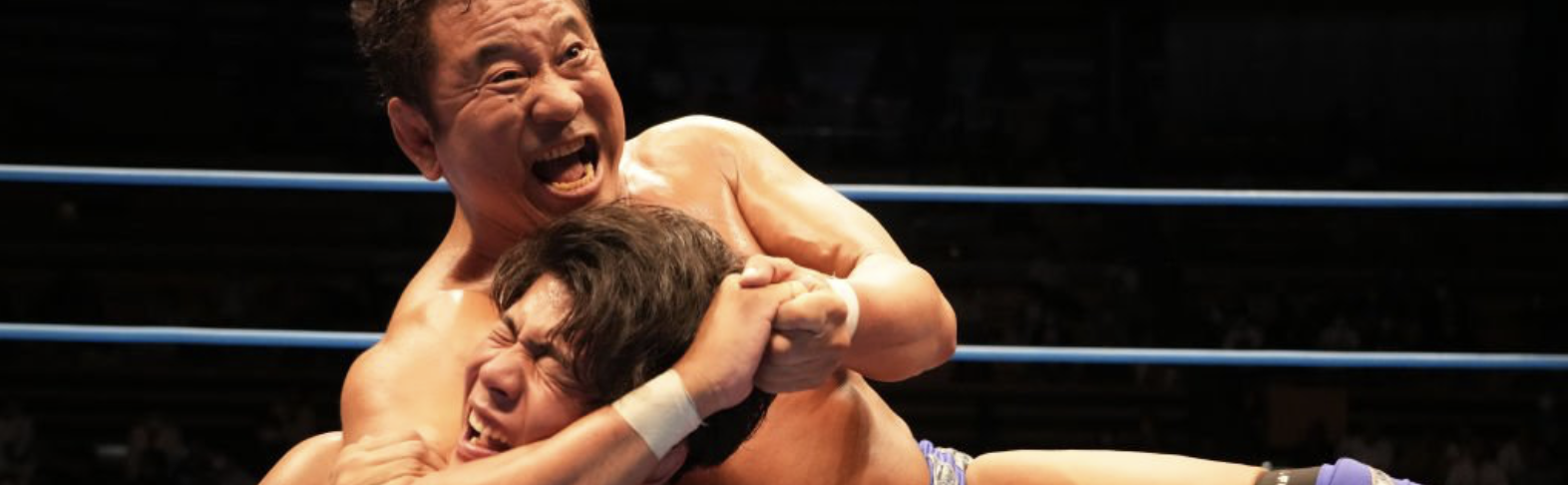
Live professional wrestling at one of Tokyo's dedicated venues. Japan's wrestling tradition (puroresu) is technically rigorous and deeply theatrical — genuinely different from the Western version in tone and execution.
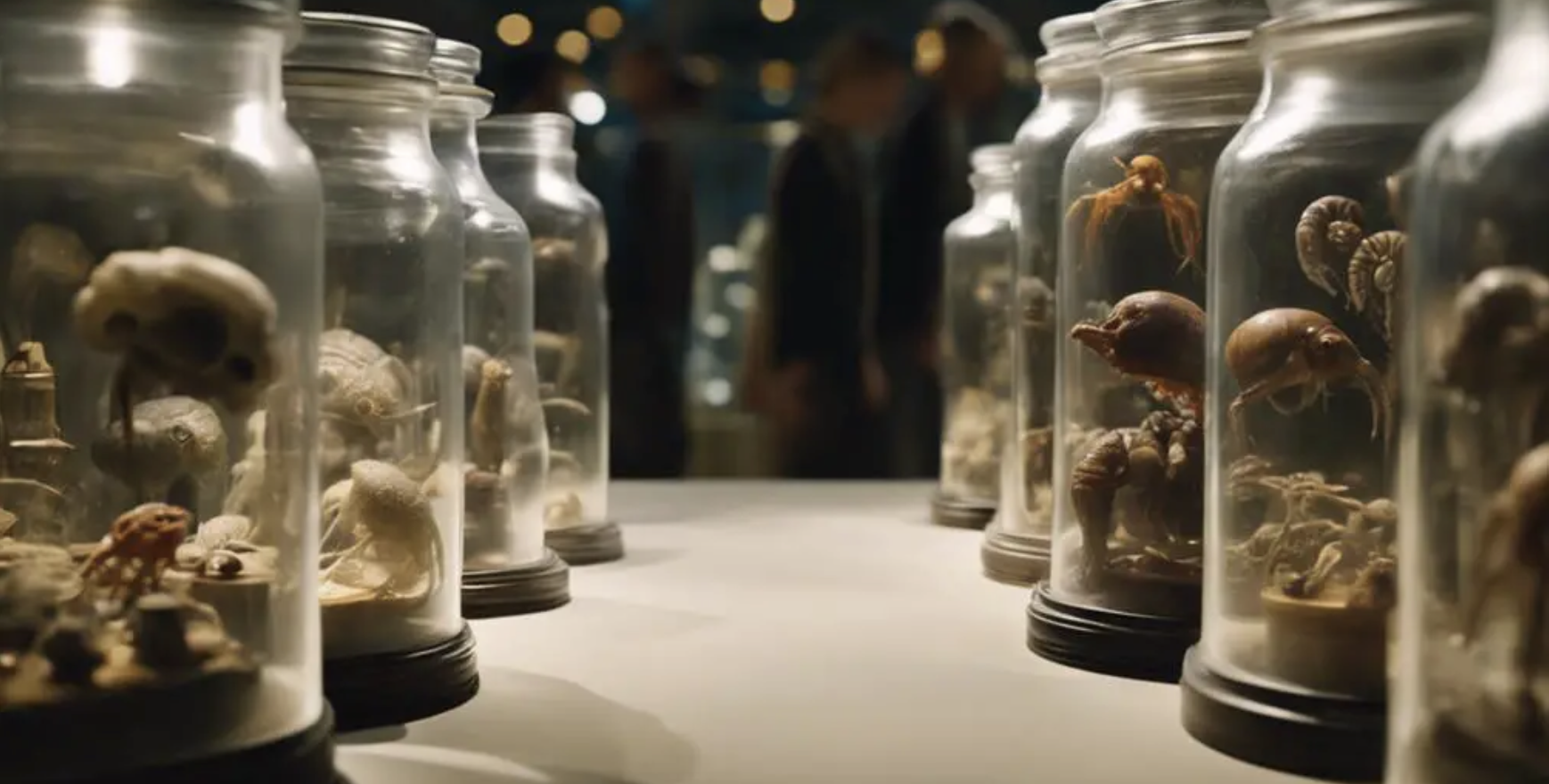
World's only parasite museum. 300 specimens including the world's longest tapeworm. Free. Closed Thu–Fri.
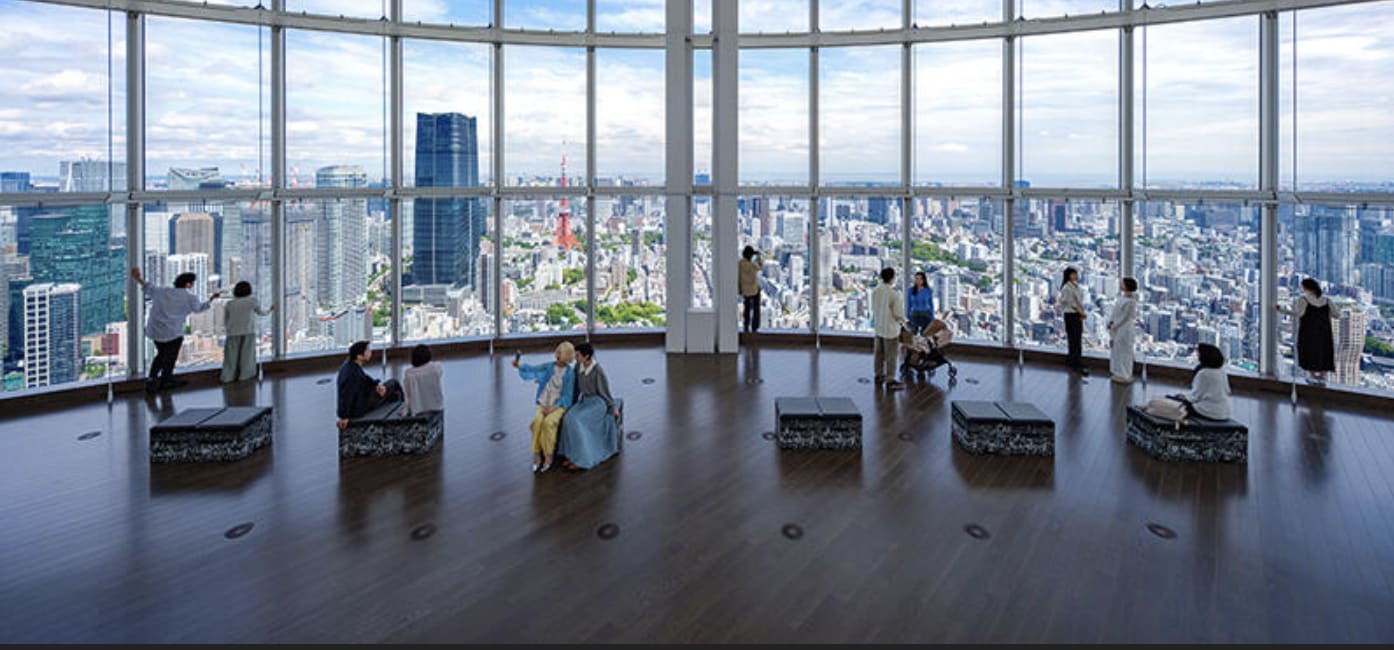
Contemporary art at the top of Roppongi Hills with panoramic city views. Strong programme. Good TeamLab alternative if sold out.
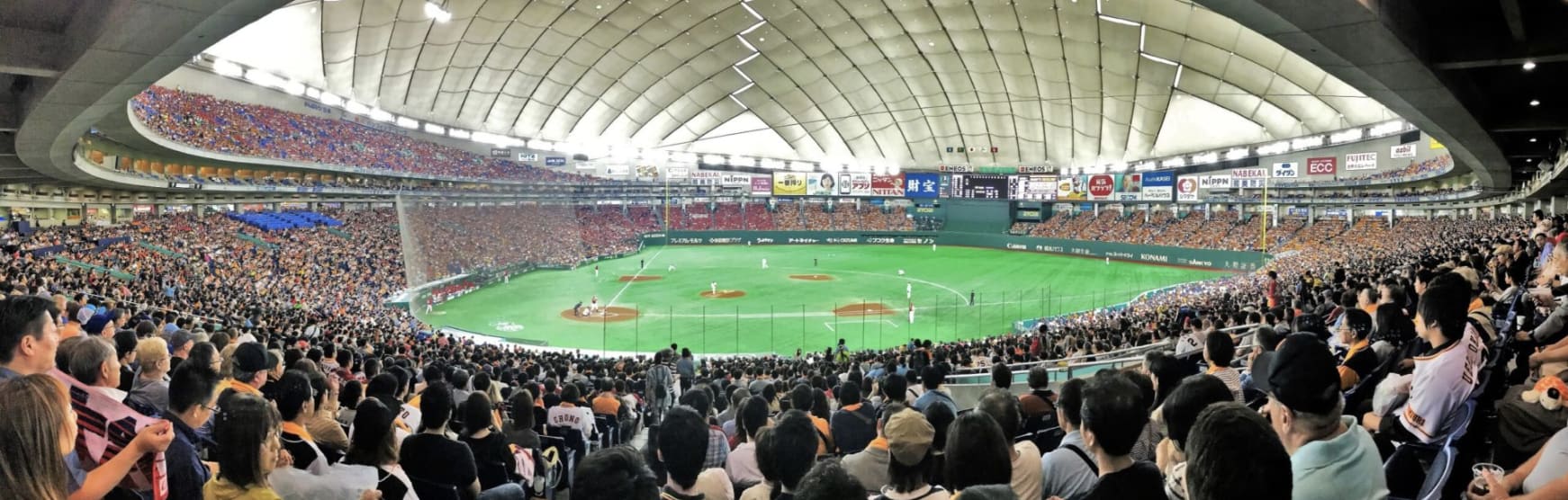
Japanese baseball is a genuinely great live sport experience — raucous crowd sections, organised chanting, beer sellers walking the aisles, and a pace of play that suits an evening out. Two main venues in Tokyo:
The iconic indoor stadium in Bunkyo. Home of the Giants, Japan's most successful and best-supported team. Atmospheric and central.
Open-air stadium in Shinjuku, right next to Meiji Shrine and Yoyogi Park. Home of the Swallows — famously fun crowd, umbrella dance celebrations, cheaper tickets. The better atmosphere of the two.

200+ tiny bars in narrow alleys — each with its own theme, regulars, and rules. Some seat six people. Jazz, horror, punk, literary. Go late, go without a plan.

Narrow alley of yakitori bars next to Shinjuku station. Looks like it was pulled from Blade Runner. Go late, go hungry.
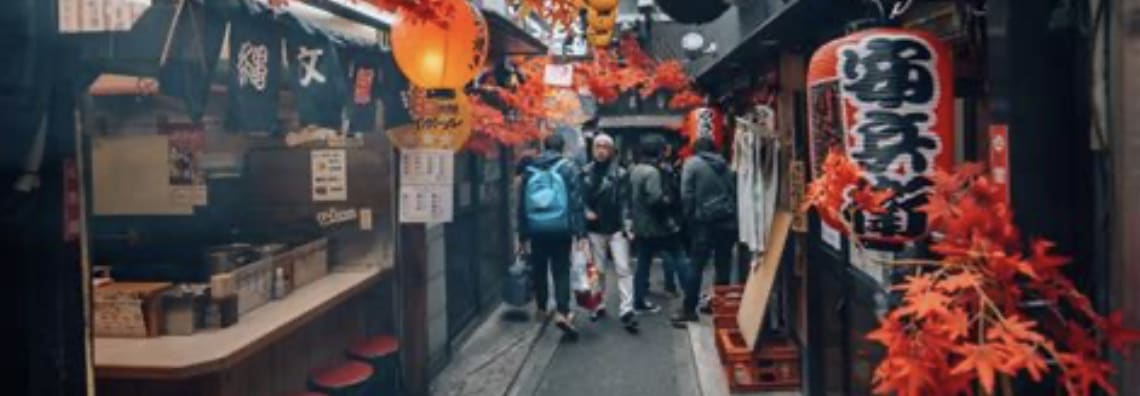
5th floor bar in Kabukicho where the bartender is a professional magician. Close-up sleight of hand at the bar, then a full stage show with lasers and music. Magician Kokoro performs nightly — reviewed as genuinely mind-bending, funny, and deeply interactive. All-you-can-drink plans available. A 5-minute walk from Shinjuku Station east exit.

Unassuming charm — nothing pulls focus from the artists. Packed schedule of indie, punk, and rock every night. Open 6pm–midnight.

Legendary jazz club since the 1960s. Cover ¥3,850 inc. one drink. Great for avant-garde and experimental. Reserve online or queue on the day.
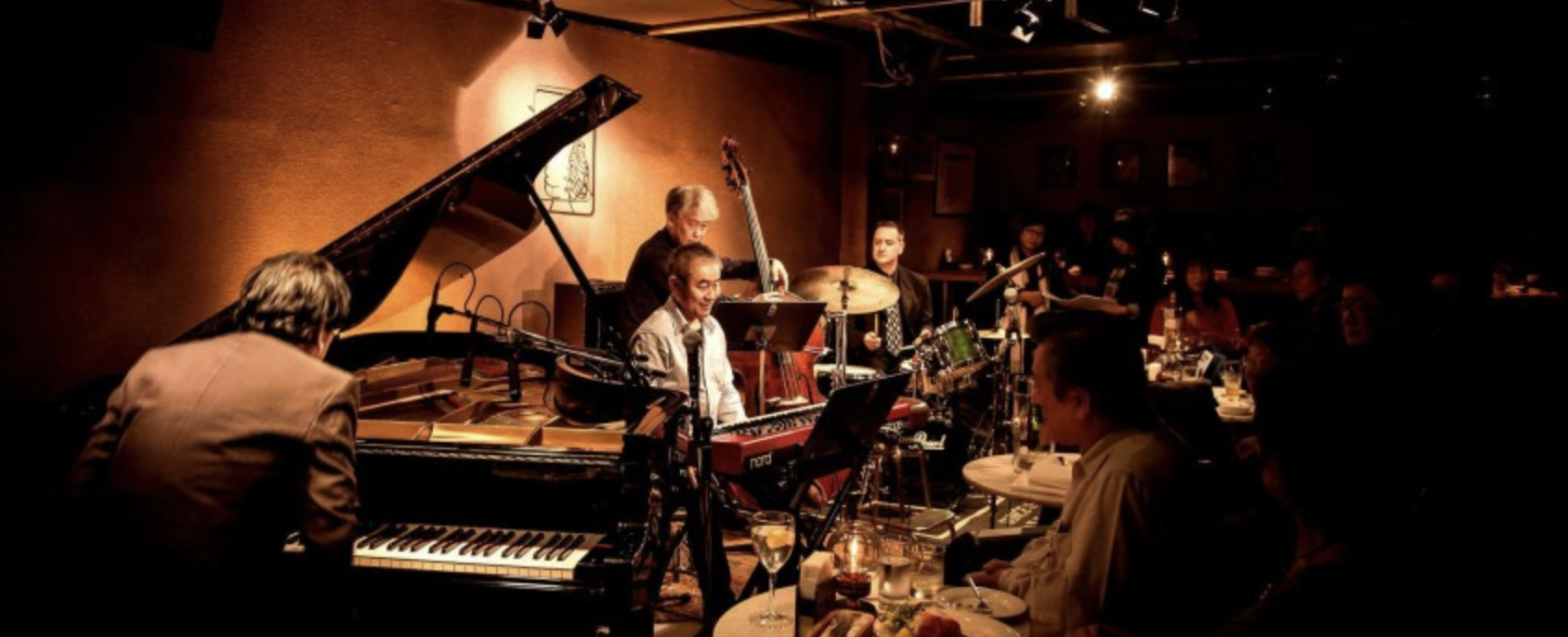
Small, intimate jazz club. Live sets nightly from ~7:30pm. Entry ~¥3,500. Many top musicians end up here after playing other venues. Reserve online.
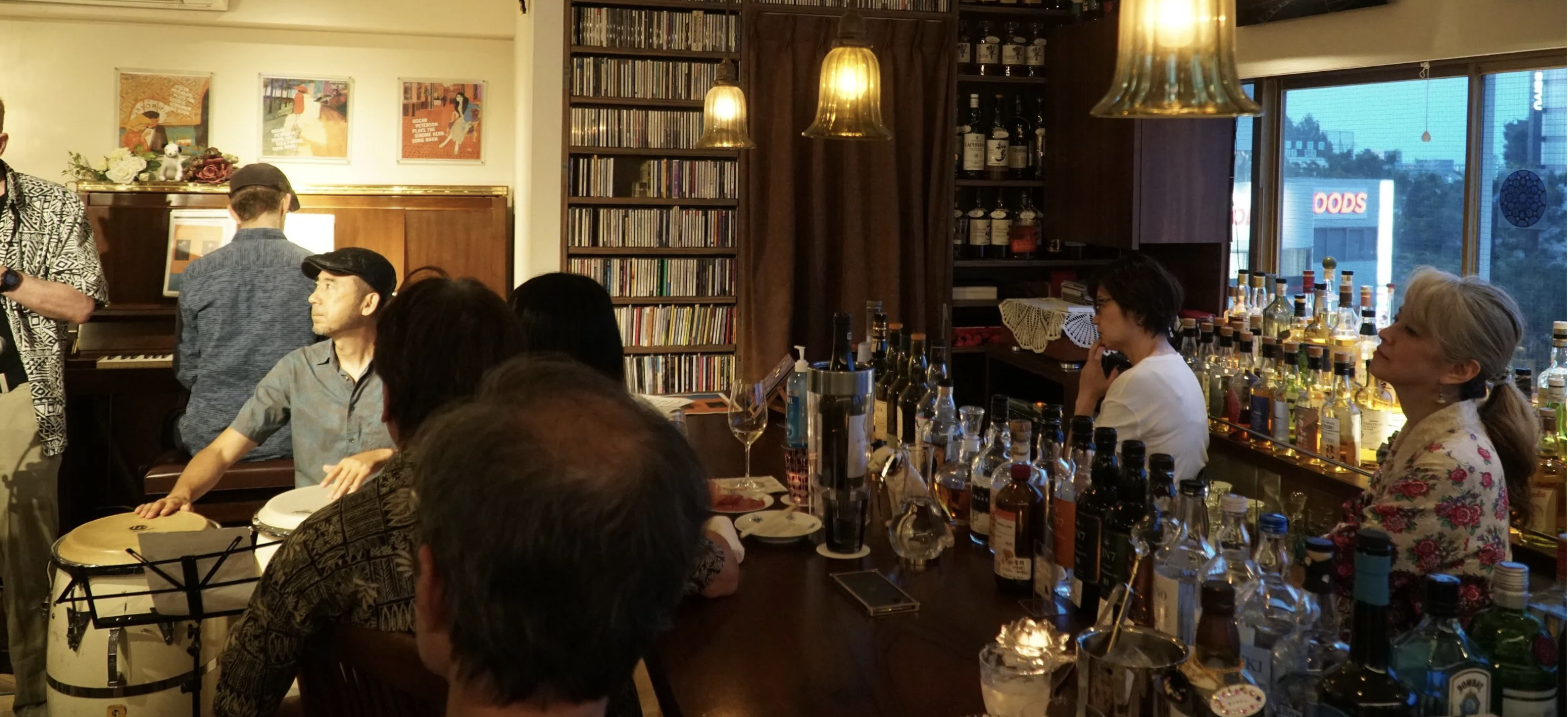
Creaky three-storey walk-up. Techno, house, hip-hop, experimental live acts. Moving lights, candlelight, finely tuned system. Check Instagram before going. Bring earplugs.
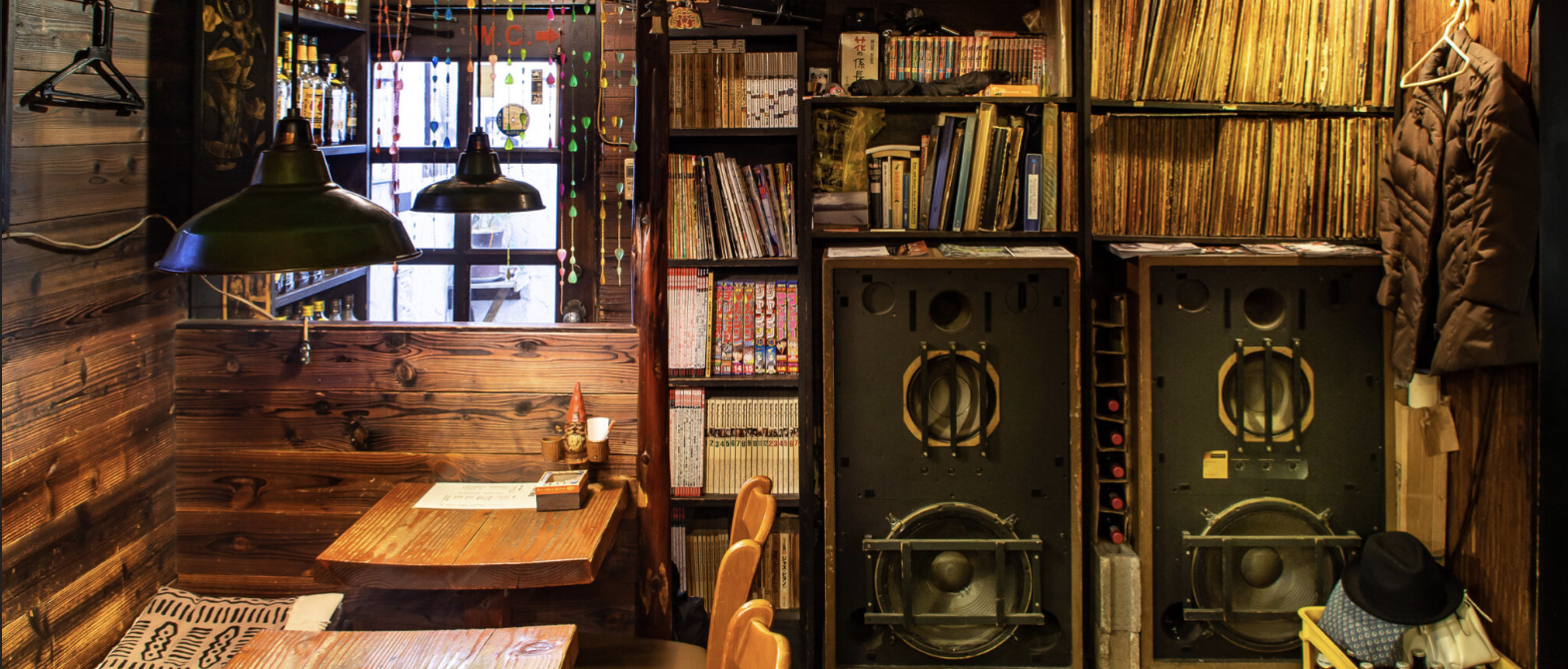
Jazz records played through audiophile sound systems at high volume, conversation minimal. Sit, listen, drink coffee or whisky. Treated like a concert. Search "jazz kissa Tokyo" closer to your dates.
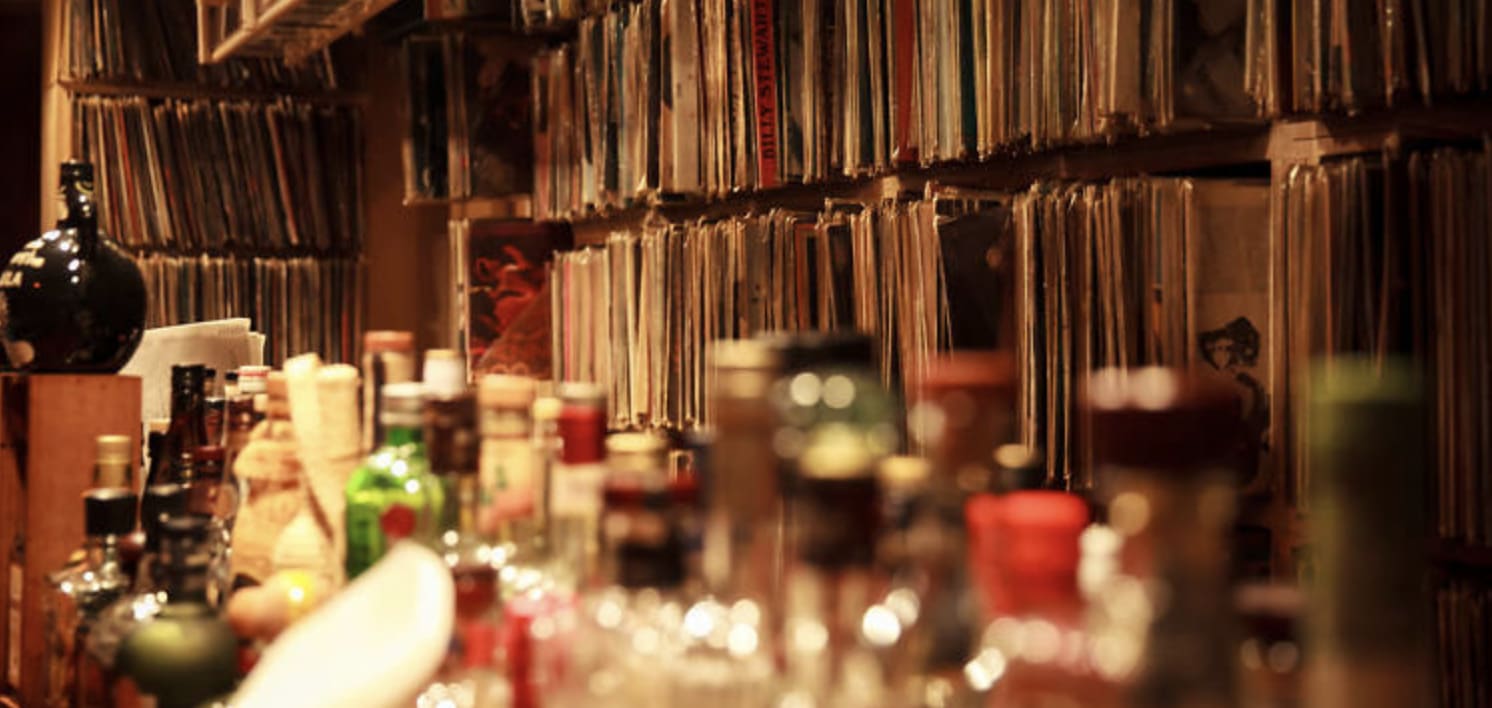
Shimokitazawa soul and jazz café. Warm, intimate, excellent records. Natural endpoint for the Shibuya photo walk.
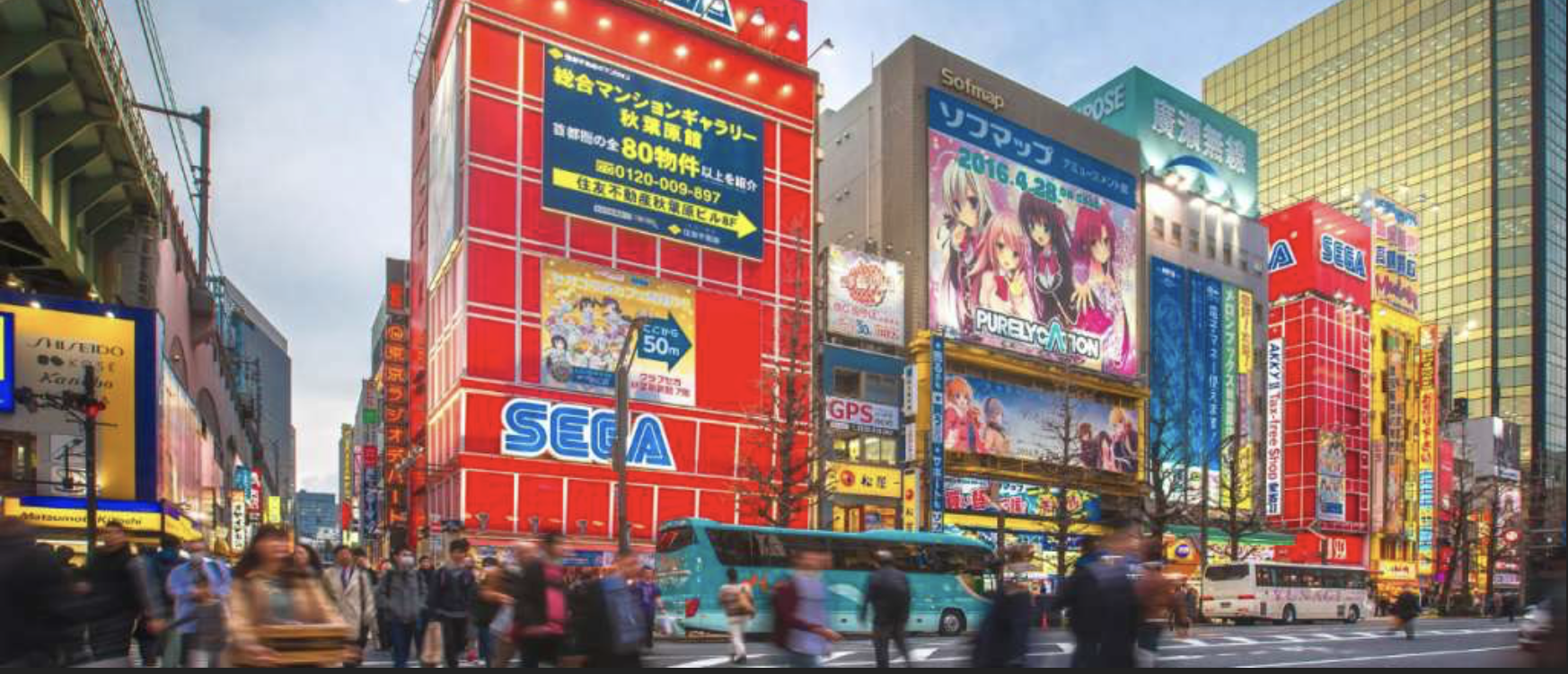
Multiple floors of arcade machines, crane games, rhythm games, fighting cabinets. Super Potato is the legendary retro games shop — Famicom to N64, plus retro arcade on top floor.

Dress as a character and drive a go-kart through Tokyo's actual streets. 4.9 stars. Book at maricar.com.
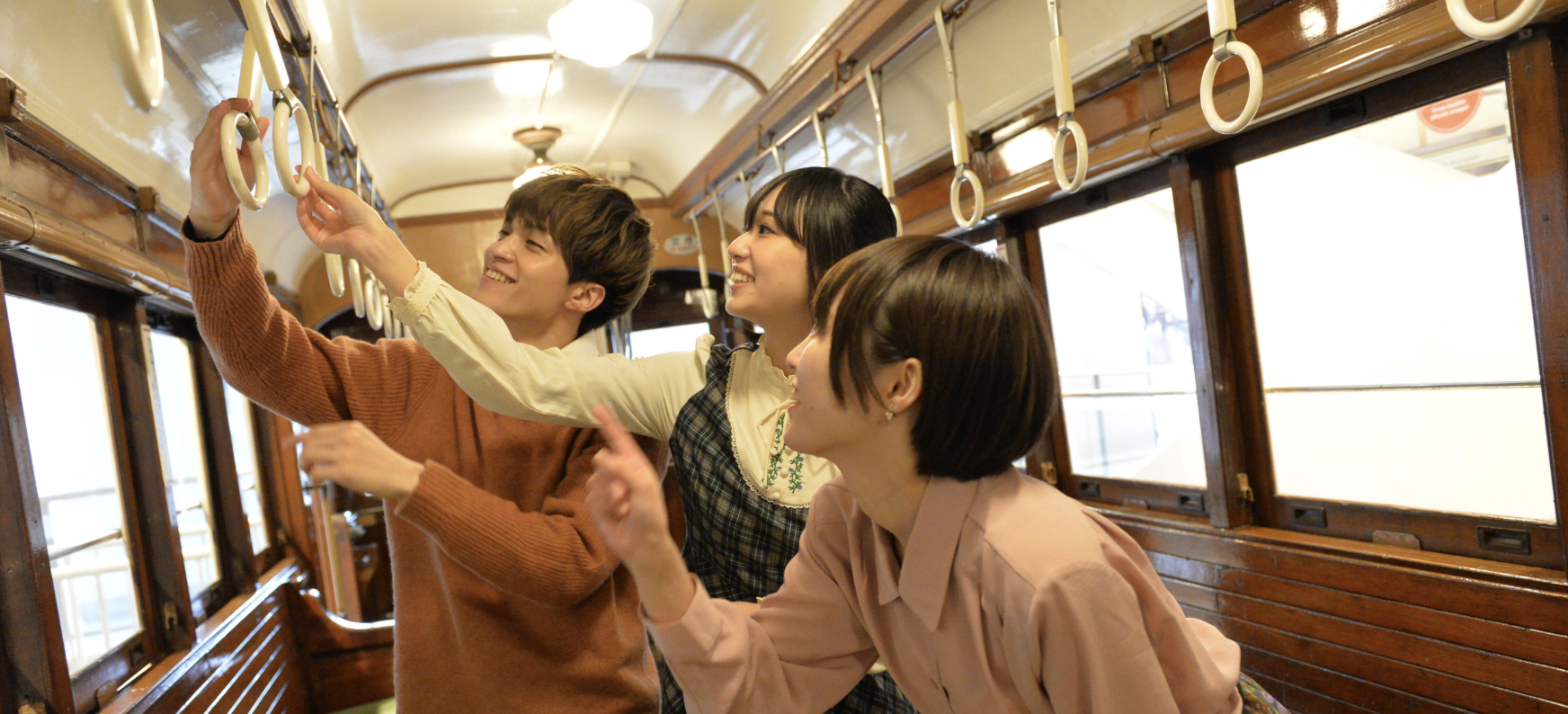
SCRAP invented the modern escape room format. Multiple Tokyo venues. Production values far exceed anything in the UK. Check en.scrapmagazine.com for English-language dates.
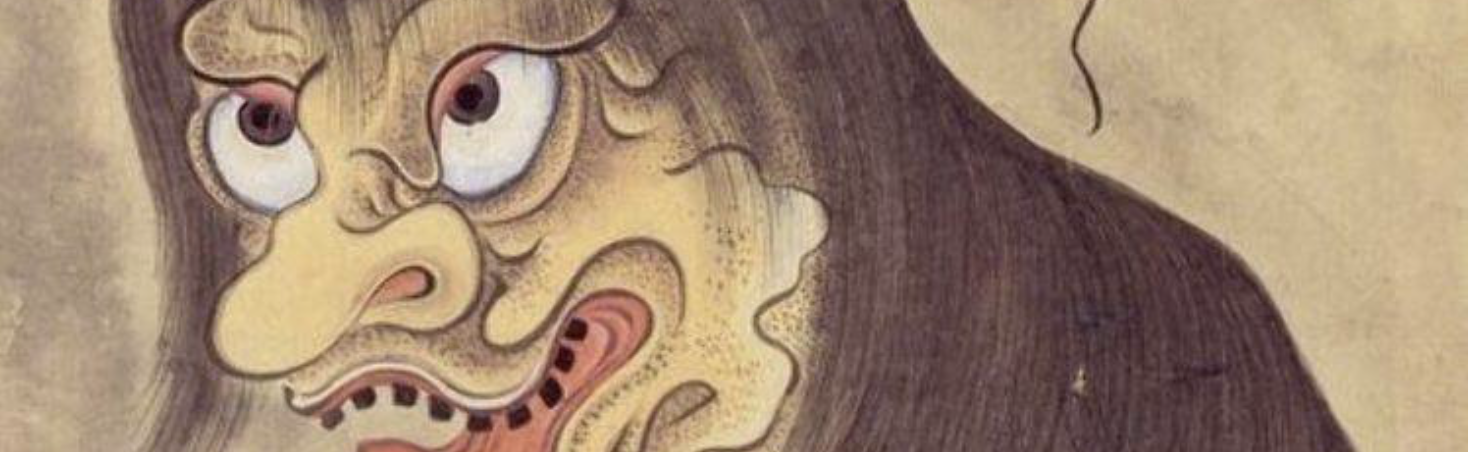
"Demons of the Red Light District" tour covers Yoshiwara and the backstreets of old Tokyo. Book at hauntedtokyotours.com.
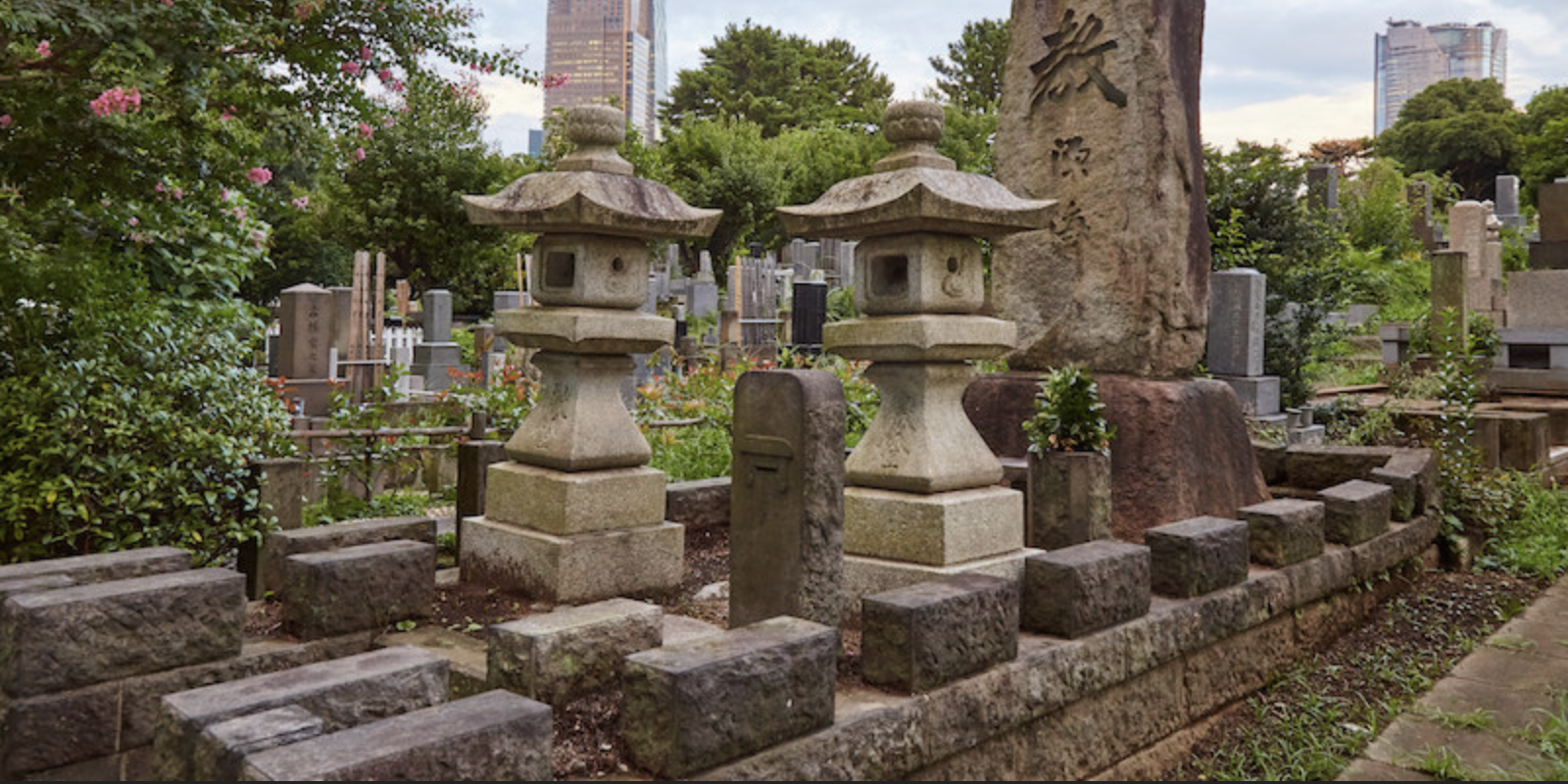
Japan's first public cemetery (1926). An infamous story involves a taxi passenger who vanished after directing the driver here. Open 24 hours.
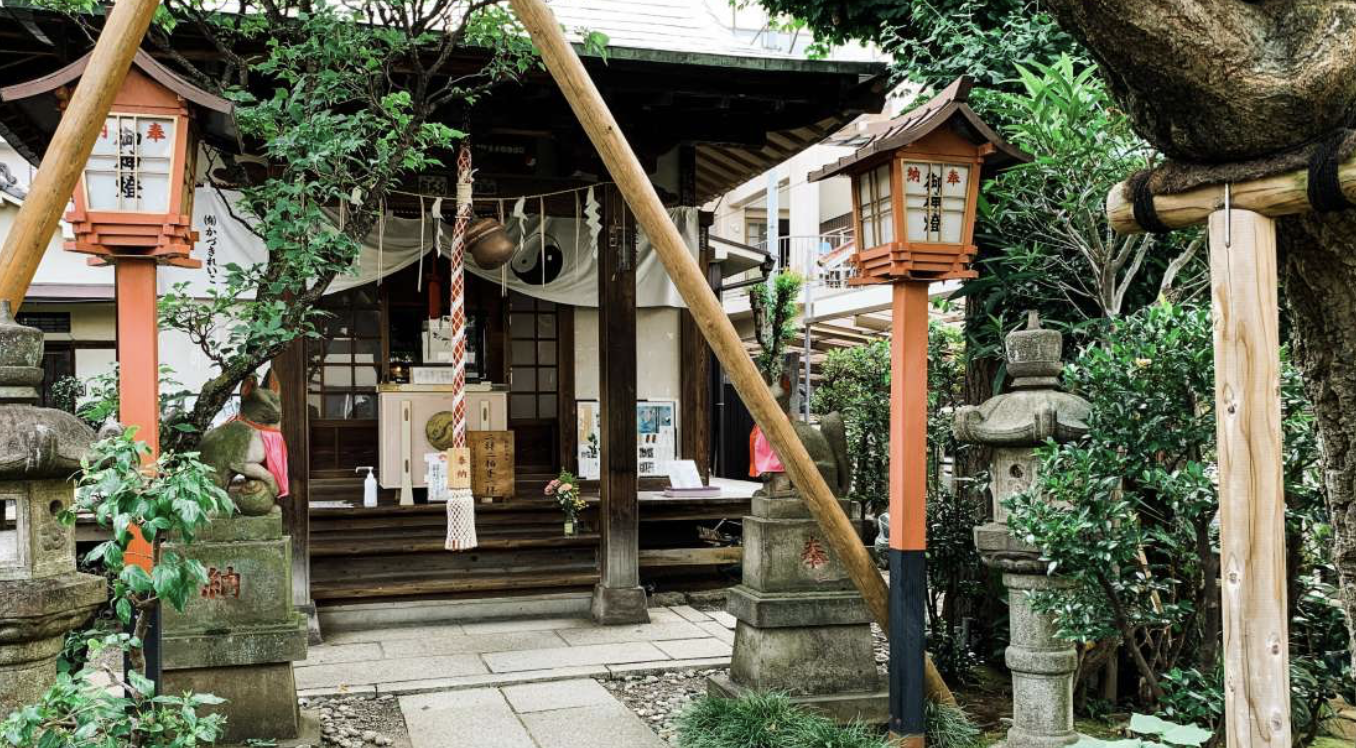
Dedicated to Oiwa — Japan's most famous ghost. Actors playing Oiwa in kabuki still pray here before each performance or risk being cursed. Open 8am–5pm.
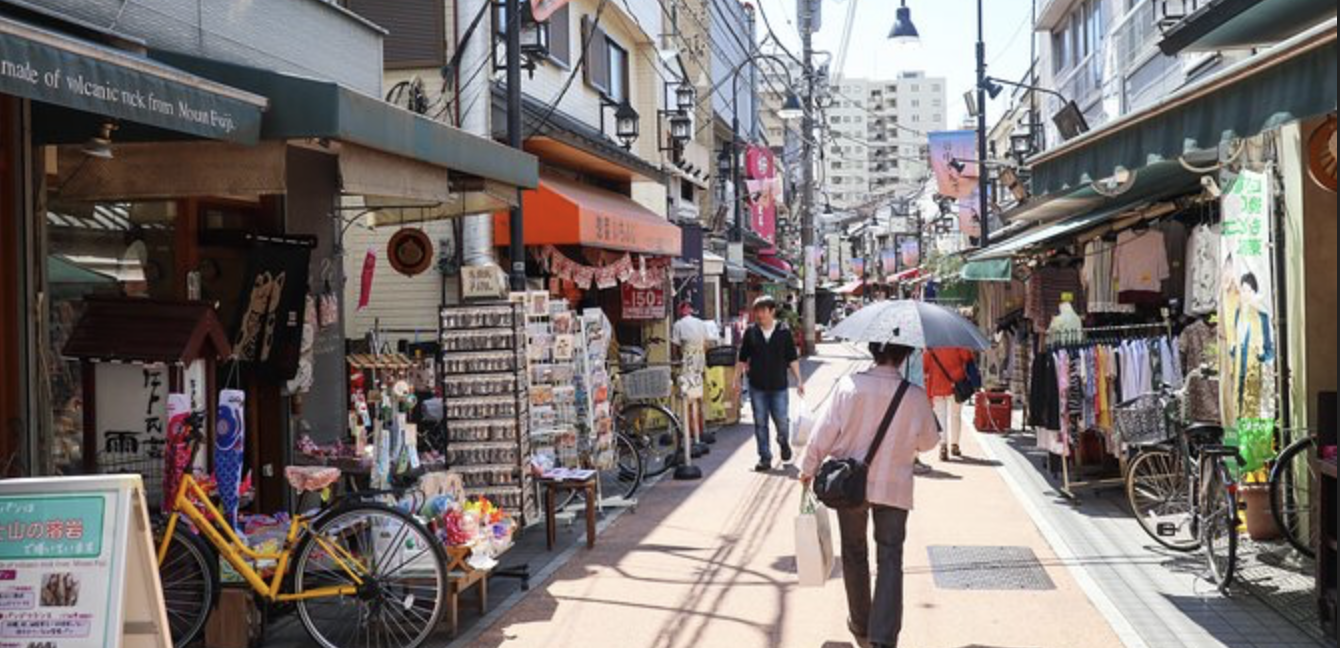
One of the few Tokyo neighbourhoods that survived the war and the earthquake. Old streets, temples, Yanaka Cemetery (rivals Highgate), cats everywhere.
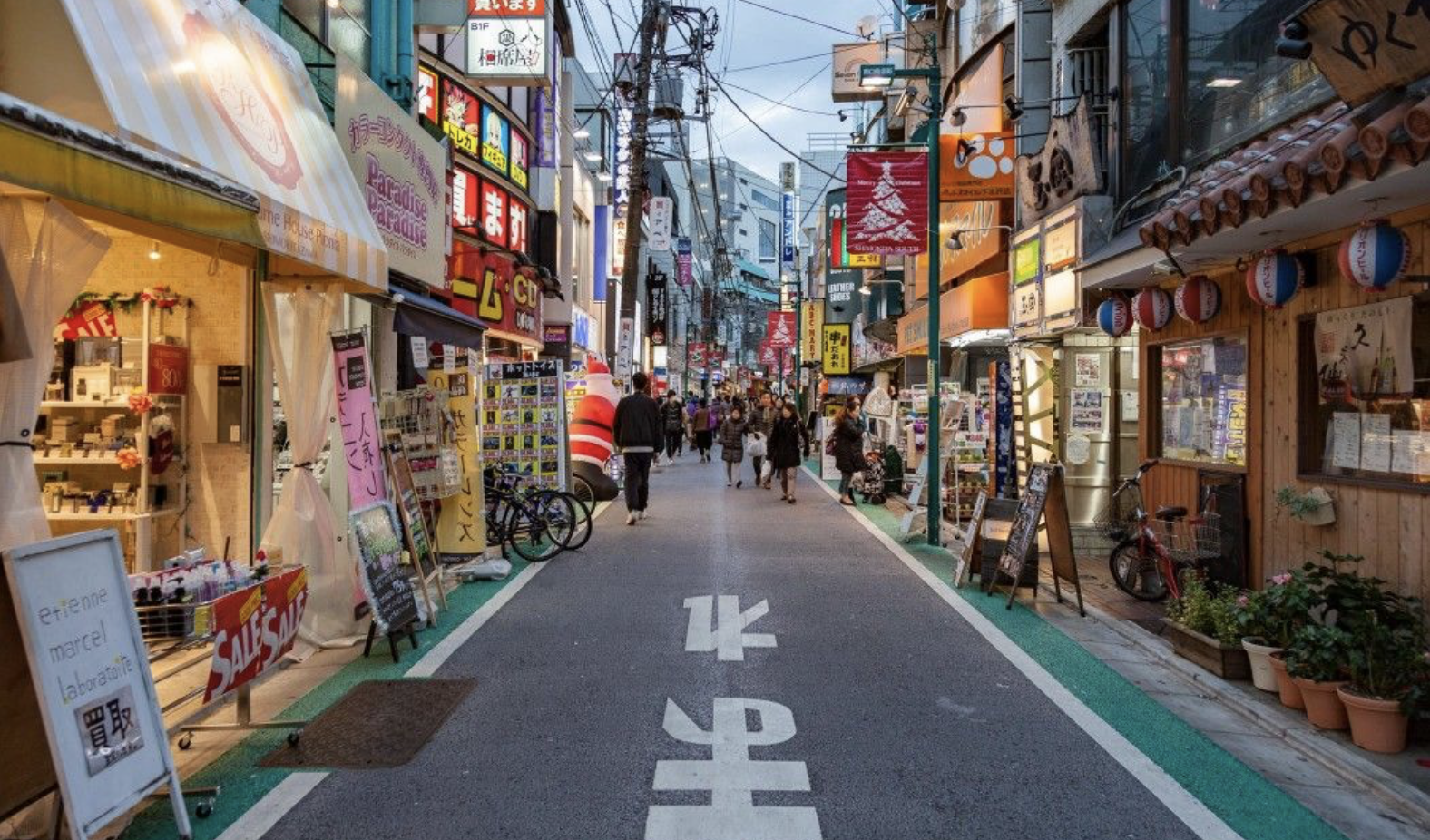
Tokyo's record shop and live music neighbourhood. Vintage clothing, independent cafés, small underground venues. Afternoon record digging → evening live music at Basement Bar.
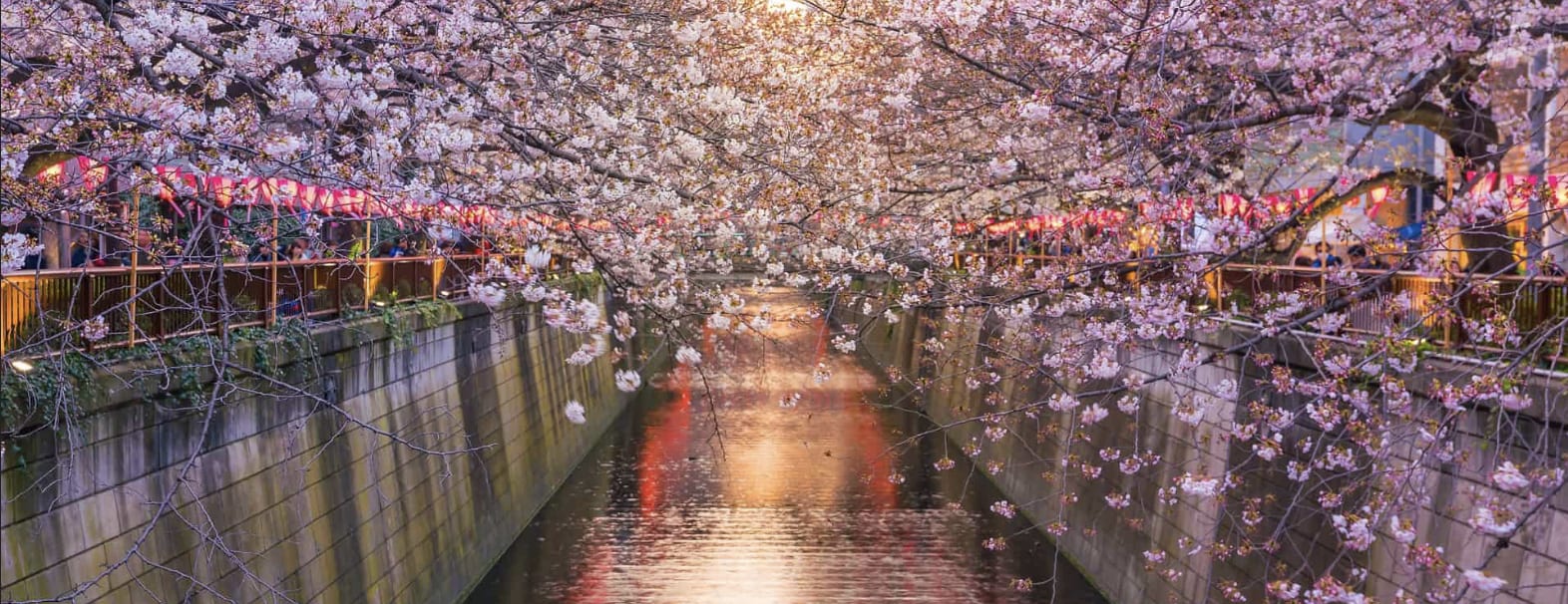
Tree-lined canal walk with boutiques, coffee shops and intimate bars. One of Tokyo's most atmospheric evening destinations.
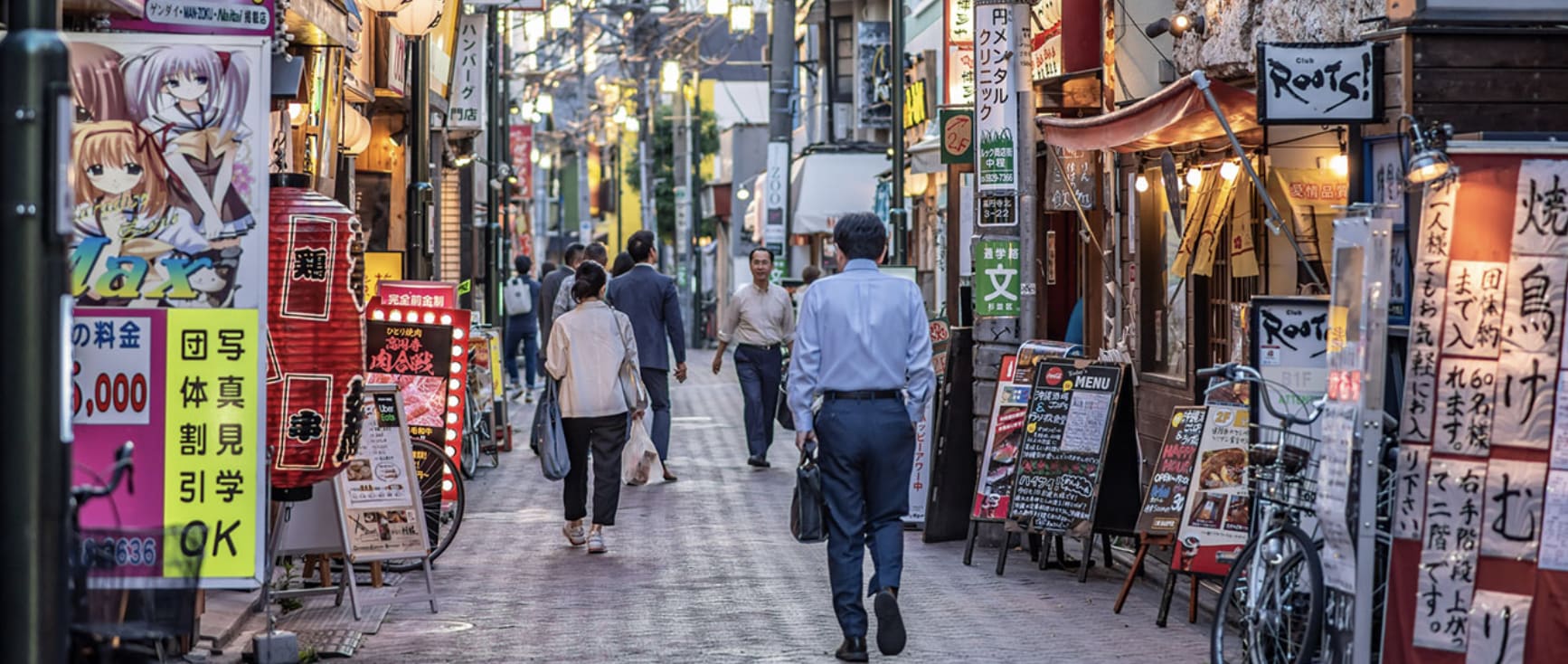
Vintage clothing, independent record shops, small live music venues. Rawer and less polished than Shimokitazawa. Worth the extra stop.
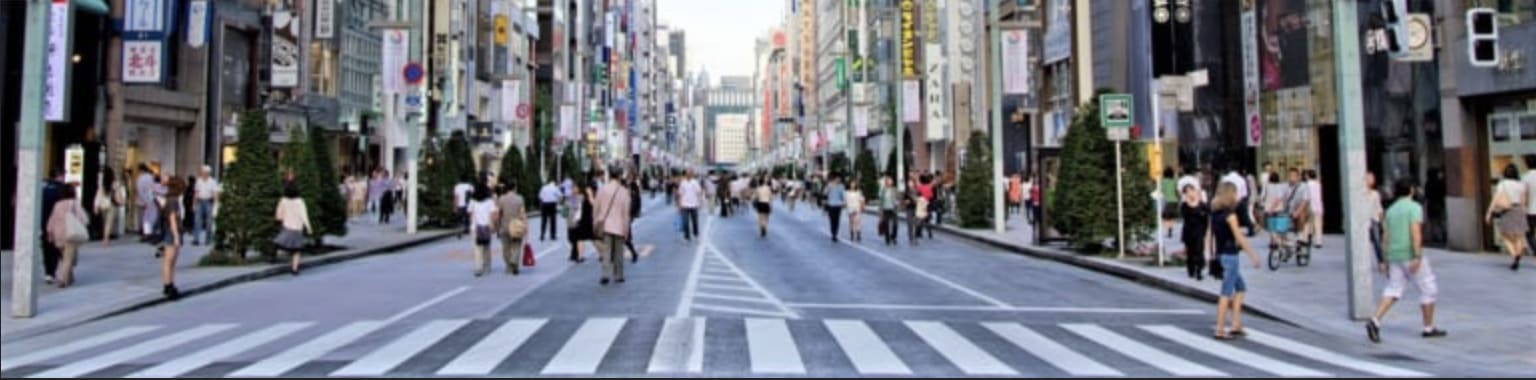
Tokyo's most elegant district — galleries, flagship stores, depachika. 10 min walk from Tsukiji. Good morning wander before the day.
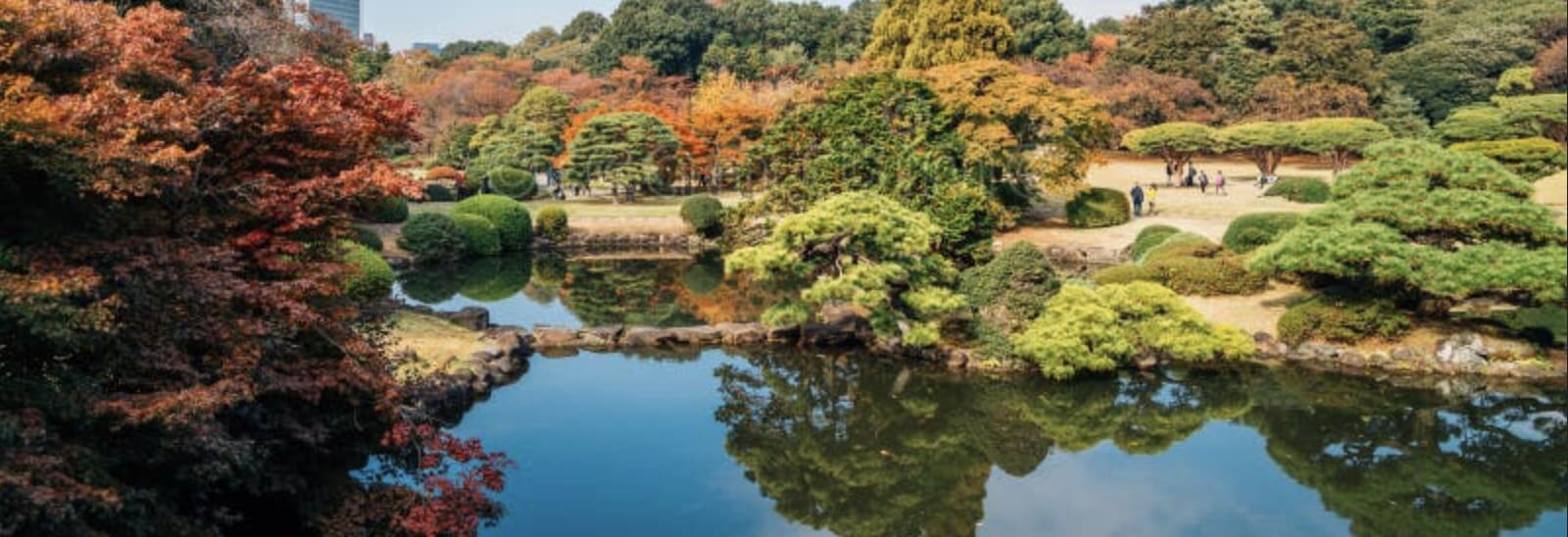
Large formal garden — French, English and Japanese sections. Peaceful and beautiful. Perfect final morning before the airport.
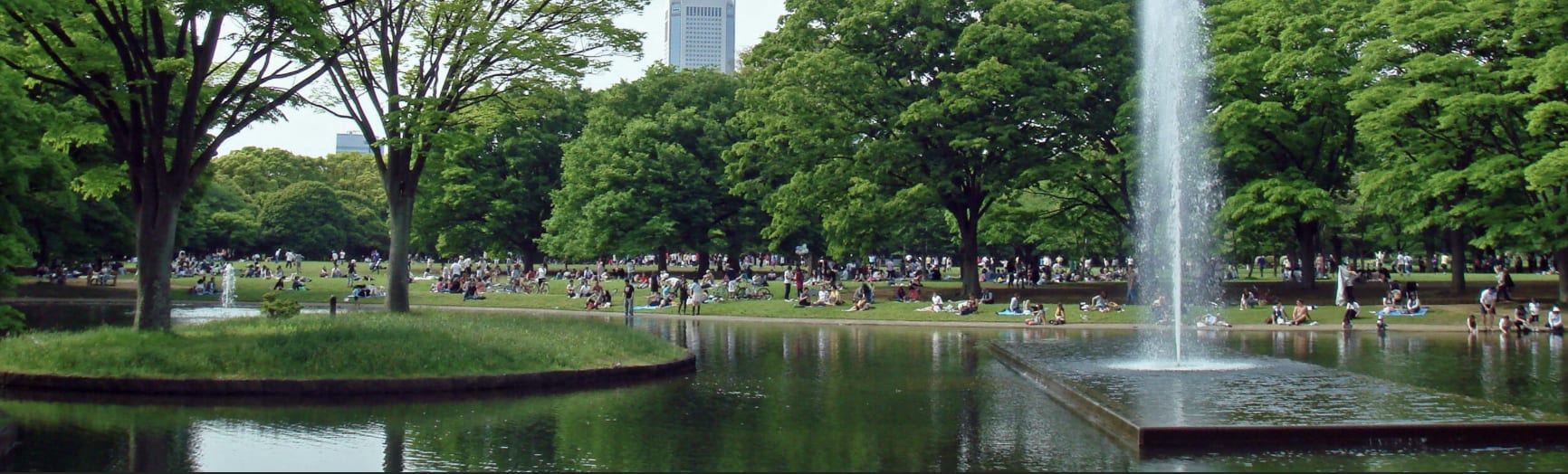
Vast park next to Harajuku. Weekend performers, dog walkers, picnics. Total decompression. Free.
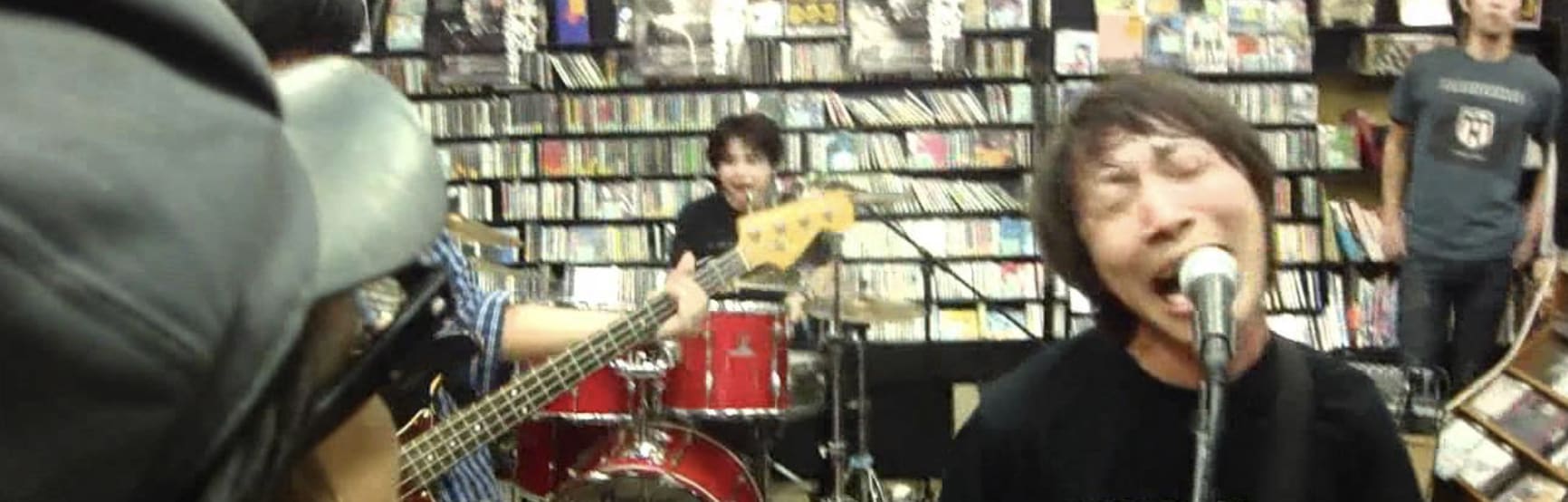
Legendary multi-floor second-hand record shop. Genre-separated floors. Essential if you have any interest in vinyl.
A Tokyo institution with over 40 years of history. Four connected shops: main store (cameras and lenses), accessories, video/professional equipment, and a junk store with deeply discounted gear worth digging through. Over 4,000 used items. Strong on Fujifilm, Sony, and vintage film cameras. Rated 4.4 across 1,200+ reviews. 1 minute walk from JR Nakano Station north exit — look for the yellow and blue sign.

Single-act ticket ~¥3,500. Acts run ~1 hour. Rent the English translation tablet for ¥1,000. Book from noon the day before at kabuki-za.co.jp.
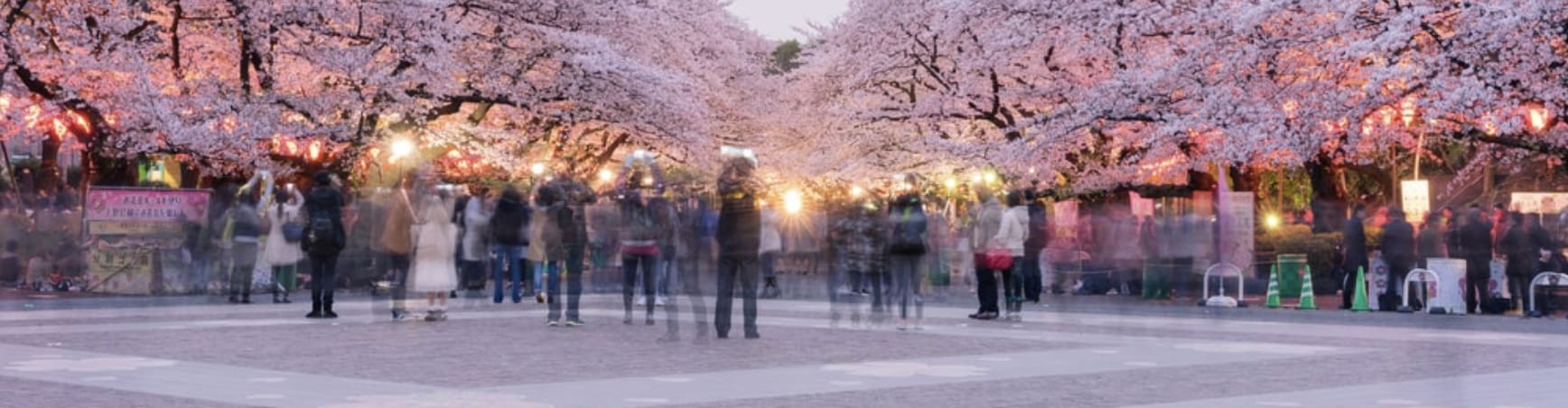
Major museum cluster — Tokyo National Museum, science, western art. Plus market, zoo, park. Natural pair with Yanaka.

Fresh sushi for breakfast at market stalls. Go early — closes ~1pm. Tamagoyaki, fresh uni, melt-in-your-mouth tuna.
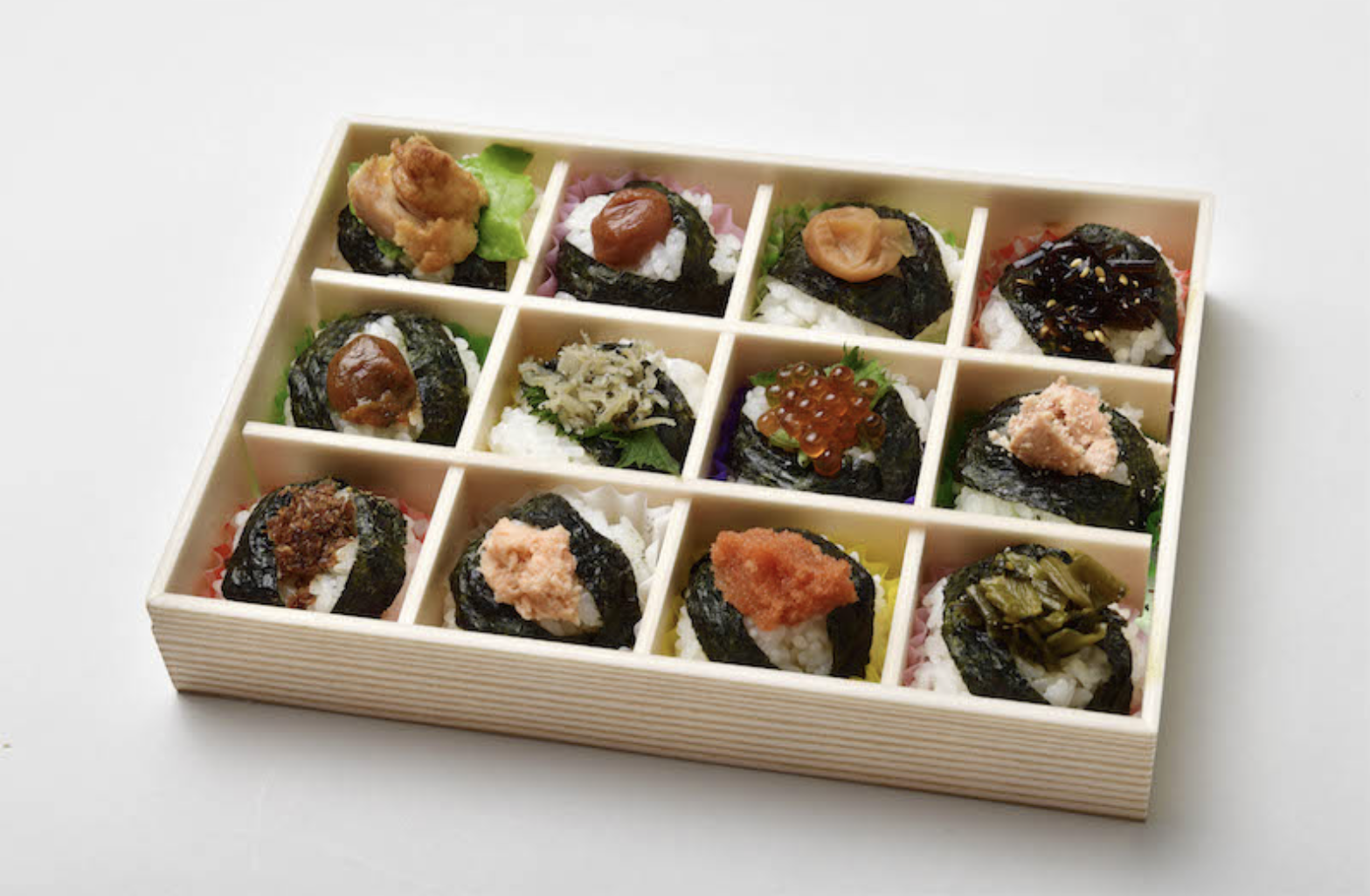
The basement food hall of Isetan — overwhelming and gorgeous. Japanese confectionery, sushi, wagashi, prepared foods, sake. Buy everything, eat in the park. Open 10am–8pm.
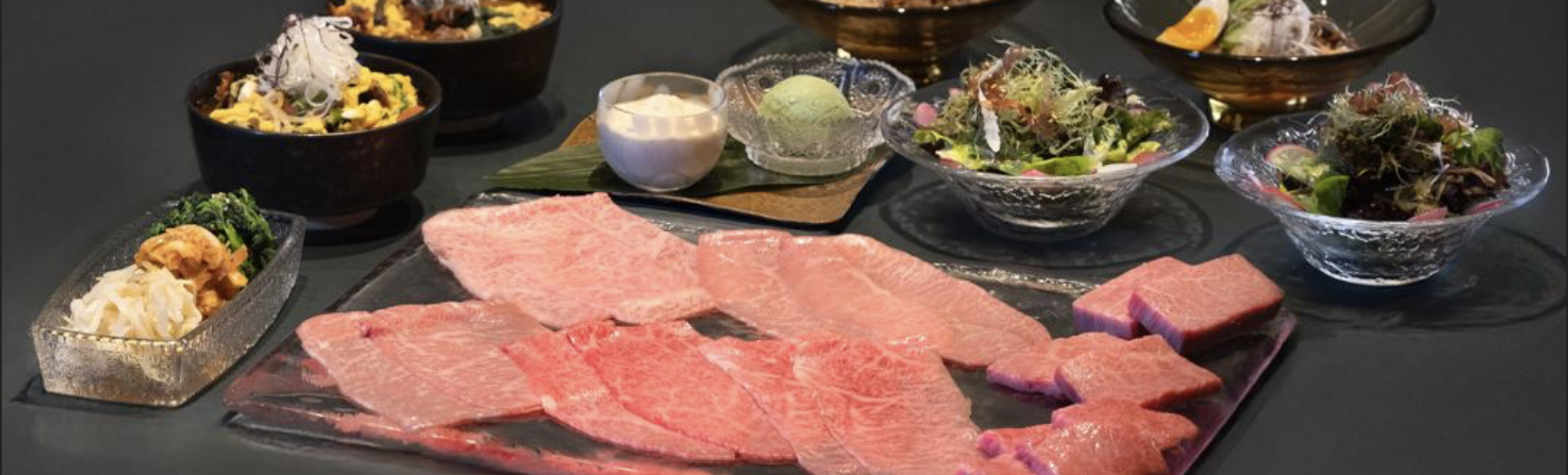
A beloved yakiniku (Japanese BBQ) restaurant — high-quality wagyu and other cuts grilled at the table. An ideal group format: communal, interactive, and very good.
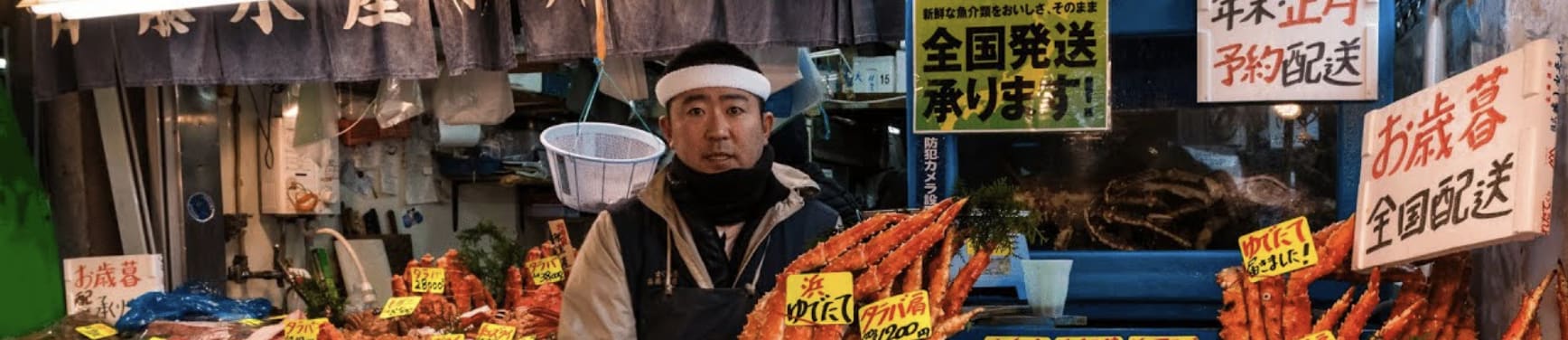
Relocated Tsukiji inner market. Tuna auction requires advance booking — but the outer market is open and excellent. 10 min from TeamLab.
May 10–23 · booked · 👥 group